
Sign up to save your podcasts
Or

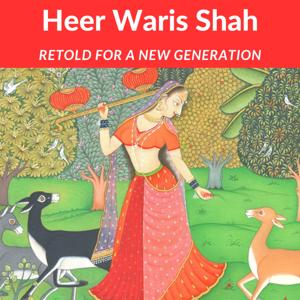

This verse provides social commentary on the patriarchy, honor and the control of ‘wayward daughters’. A society that elevates the collective at the expense of the individual cannot accept Heer’s haughtiness and pride; the women allege that she comports herself like a queen! Class distinctions also come to the fore; while it is inappropriate for the young, unmarried Heer to spend time with any man, her transgression is compounded by Ranjha’s being a ‘mere’ servant. The Qazi, emblematic of a highly judgemental and unforgiving society, of course provides a ready solution – marry her off and save the family’s honor, while reiterating that not doing so will invite divine judgement and retribution.
 View all episodes
 By Sarbpreet Singh
5
44 ratings
This verse provides social commentary on the patriarchy, honor and the control of ‘wayward daughters’. A society that elevates the collective at the expense of the individual cannot accept Heer’s haughtiness and pride; the women allege that she comports herself like a queen! Class distinctions also come to the fore; while it is inappropriate for the young, unmarried Heer to spend time with any man, her transgression is compounded by Ranjha’s being a ‘mere’ servant. The Qazi, emblematic of a highly judgemental and unforgiving society, of course provides a ready solution – marry her off and save the family’s honor, while reiterating that not doing so will invite divine judgement and retribution.