Walking the Land - 10 Days 9 Nights in Israel

Walking the Land - 10 Days 9 Nights in Israel

Download on the App Store

Walking the Land - 10 Days 9 Nights in Israel episodes

  • Narsai (c. 399–502)- The Theologian and Poet of the Church of the East
    The provided text offers a detailed overview of Narsai of Nisibis, a significant 5th-century theologian and poet within the Church of the East. It explores his life, including his education and leadership at the influential School of Nisibis, which became a crucial center for East Syriac learning after his expulsion from Edessa. The source emphasizes Narsai's extensive contributions through his poetic homilies (mēmrē), which covered biblical narratives, theological themes, and liturgical practices, reflecting an Antiochene approach to biblical exegesis and a clear dyophysite Christology. Finally, the text discusses Narsai's lasting influence and legacy as a foundational figure for the Church of the East, highlighting his continued veneration and scholarly importance. for more online courses check our website: www.twinsbiblicalacademy.com
    19 min
  • Ephrem the Syrian (c. 306–373 AD) Life, Works, and Hymns
    Ephrem the Syrian, a significant fourth-century Christian figure, was a prolific theologian and hymnographer known as a saint in many Christian traditions. Born in Nisibis, he served as a teacher and deacon, composing numerous influential hymns in Aramaic to defend orthodox beliefs. He founded the School of Nisibis and later moved to Edessa, leaving a lasting legacy through his theologically rich and poetically beautiful writings, some of which remain part of modern liturgies, particularly within Syriac and Eastern Christian practices. His works, including Hymns on Paradise and Hymns on the Nativity, showcase his mastery and continue to be venerated for their literary and spiritual value. for more in depth online courses check www.twinsbiblicalacademy.com
    20 min
  • Aphrahat (c. 270–345 AD) Early Syriac Christianity
    The provided text introduces Aphrahat, a significant fourth-century Syriac-Christian writer and ascetic from the Persian Empire. His important literary contribution, the "Demonstrations," offers insights into early Eastern Christian doctrine and practice, distinct from Western influences. Aphrahat's work reveals his pastoral concerns, engagement with biblical interpretation, and interactions with the Jewish community. These writings are valuable for understanding the development of Christianity in Persia and its relationship with Judaism in that historical context. www.twinsbiblicalacademy.com
    15 min
  • Tatian the Assyrian (c. 120–180 AD) Life, Works, and Influence
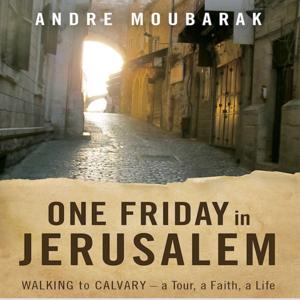
    This podcast from the research of Andre Moubarak examines Tatian the Assyrian, a significant yet controversial figure in early Christianity, noting his authorship of the first gospel harmony, the Diatessaron, which became a standard text in Syriac churches. The text traces Tatian's life, from his Assyrian origins and conversion to his mentorship under Justin Martyr and subsequent divergence into ascetic and theologically distinct views associated with the Encratites. It highlights his theological innovations and criticisms of Greek culture as expressed in his Oratio ad Graecos. Finally, the source explores Tatian's complex legacy, contrasting his lasting influence in the East with his condemnation as a heretic in the West and considering his impact on biblical textual history. www.twinsbiblicalacademy.com
    15 min
  • Bardaisan of Edessa (154-222 AD): Life, Thought, and Legacy of an Early Syriac Christian Philosopher
    Bardaisan of Edessa was an early Syriac Christian philosopher whose life and work significantly impacted the intellectual landscape of his time. This text examines his life, thought, and enduring legacy, placing him within the context of early Christianity and philosophical thought. Bardaisan's intellectual formation, blending Christian theology with Greek philosophy and Mesopotamian culture, is explored. His major works, theological positions on free will and cosmology, and cultural contributions are analyzed, alongside the reception and influence of his ideas, even amidst controversy. The text also places Bardaisan's thought in a comparative perspective with Greek philosophy, Origen, and Syriac Christianity, and considers modern scholarly perspectives. www.twinsbiblicalacademy.com

    18 min
  • The Didache: Early Christian Life and Practice
    The Didache, or Teaching of the Twelve Apostles, is a rediscovered early Christian manual providing insights into first-century Christian life. It details moral, liturgical, and organizational practices, structured around the "Two Ways" of life and death. The text covers rituals like baptism and Eucharist, church governance, and eschatological views, reflecting a blend of Jewish traditions and emerging Christian theology. Its rediscovery sparked scholarly interest, revealing its significance despite exclusion from the New Testament. The Didache's ethical framework and sacramental practices have influenced later Christian texts and continue to inspire contemporary discussions on Christian identity and liturgical practices. www.twinsbiblicalacademy.com
    19 min
  • Saint John Chrysostom (347–407 AD)
    John Chrysostom: The Golden-Mouthed Preacher and Controversial Church Father The provided text examines the life and legacy of Saint John Chrysostom, a prominent figure in early Christianity. It explores his early life and ascension to Archbishop of Constantinople, where his reforms and criticisms of wealth led to conflicts and eventual exile. The text highlights his theological contributions, particularly his literal-historical exegesis and social ethics. It also addresses the controversial aspect of his anti-Jewish rhetoric and the circumstances surrounding the Synod of the Oak. Ultimately, the text presents a complex portrait of Chrysostom, acknowledging both his profound impact on Christian thought and the problematic elements of his legacy. www.twinsbiblicalacademy.com
    16 min
  • Gregory of Nazianzus (c. 329–389 AD)
    Gregory of Nazianzus, a Cappadocian Father, was a critical figure in the 4th century for his defense of Nicene Trinitarian theology against Arianism. His early life involved familial conversion and a rigorous classical education, culminating in a deep friendship with Basil the Great. Despite his reluctance, he served in ecclesiastical roles, including Archbishop of Constantinople, where he championed Trinitarian doctrine. Gregory's theological contributions centered on the Trinity, emphasizing purification and the potential for humanity's deification through Christ. His enduring legacy includes influential orations, poems, and letters that have shaped Christian thought and earned him the title "The Theologian." for more online courses www.twinsbiblicalacademy.com
    20 min
  • Gregory of Nyssa (c. 335-394 AD)
    The provided text explores the life, theological contributions, and lasting impact of Gregory of Nyssa, a 4th-century Eastern Orthodox theologian and bishop. It highlights his role in defending the doctrine of the Trinity and his articulation of concepts such as the infinity of God and constant spiritual progress (epektasis). Gregory's work "The Great Catechesis" is emphasized, outlining Orthodox theology and examining the sacraments' role in restoring the image of God in human nature. His apophatic approach to theology, emphasizing God's incomprehensibility, is noted, as is his early advocacy for Christian universalism. Finally, the texts emphasize Gregory's contributions to sacramental theology, viewing them as essential for participation in Christ and for continuous growth towards God, blending Christian doctrine with Greek philosophy. These contributions have profoundly influenced Christian traditions, particularly in the East. check our in depth online courses www.twinsbiblicalacademy.com
    18 min
  • Basil the Great (330-379 AD)
    Basil the Great, one of the Cappadocian Fathers, profoundly shaped Christian theology in the 4th century through his defense of the Trinity against Arianism. His work clarified the Holy Spirit's divinity and equal status within the Trinity, influencing the Council of Constantinople's affirmation of Nicene orthodoxy. Basil emphasized the concept of one God in three distinct Persons, contributing terminology and arguments against heresies, like modalism. His articulation of the Holy Spirit as an illuminating power and his use of scripture and tradition solidified his theological contributions. Beyond theology, Basil impacted monastic life and liturgy, leaving a lasting legacy in both Eastern and Western Christian traditions. www.twinsbiblicalacademy.com
    18 min

About Walking the Land - 10 Days 9 Nights in Israel

From the publisher's feed

Walk and learn from Andre your tour guide in israel
Walking in His Footsteps
First Century Journey From Birth to Resurrection in the Holy Land