WE by Yevgeny Zamyatin.

WE by Yevgeny Zamyatin.

Download on the App Store

WE by Yevgeny Zamyatin. episodes

  • 28 - Both of Them - Entropy and Energy - The Opaque Part of the Body.
    28 - Both of Them - Entropy and Energy - The Opaque Part of the Body.  
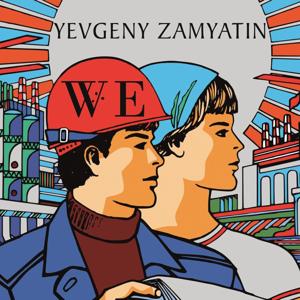
    We is a dystopian novel by Russian writer Yevgeny Zamyatin that was written in 1920–1921. It was first published as an English translation by Gregory Zilboorg in 1924 by E. P. Dutton in New York. The original Russian text was first published in 1952; the novel was not published in Soviet Russia until 1988. The novel describes a world of harmony and conformity within a united totalitarian state, against which the protagonist, D-503, rebels.  
    The book is considered a literary masterpiece as well as one of the greatest and most influential works of the 20th century. It influenced the emergence of dystopia as a literary genre. George Orwell said that Aldous Huxley's 1931 Brave New World must be partly derived from We, although Huxley denied this. Orwell's own Nineteen Eighty-Four (1949) and Animal Farm were also inspired by We, as are many other contemporary dystopian novels. 

    This episode includes AI-generated content.

    17 min
  • 27 - No Headings. It Is Impossible!
    27 - No Headings. It Is Impossible!  
    We is a dystopian novel by Russian writer Yevgeny Zamyatin that was written in 1920–1921. It was first published as an English translation by Gregory Zilboorg in 1924 by E. P. Dutton in New York. The original Russian text was first published in 1952; the novel was not published in Soviet Russia until 1988. The novel describes a world of harmony and conformity within a united totalitarian state, against which the protagonist, D-503, rebels.  
    The book is considered a literary masterpiece as well as one of the greatest and most influential works of the 20th century. It influenced the emergence of dystopia as a literary genre. George Orwell said that Aldous Huxley's 1931 Brave New World must be partly derived from We, although Huxley denied this. Orwell's own Nineteen Eighty-Four (1949) and Animal Farm were also inspired by We, as are many other contemporary dystopian novels. 

    This episode includes AI-generated content.
    15 min
  • 26 - The World Does Exist - Rash - Forty-one Degrees Centigrade.
    26 - The World Does Exist - Rash - Forty-one Degrees Centigrade.  
    We is a dystopian novel by Russian writer Yevgeny Zamyatin that was written in 1920–1921. It was first published as an English translation by Gregory Zilboorg in 1924 by E. P. Dutton in New York. The original Russian text was first published in 1952; the novel was not published in Soviet Russia until 1988. The novel describes a world of harmony and conformity within a united totalitarian state, against which the protagonist, D-503, rebels.  
    The book is considered a literary masterpiece as well as one of the greatest and most influential works of the 20th century. It influenced the emergence of dystopia as a literary genre. George Orwell said that Aldous Huxley's 1931 Brave New World must be partly derived from We, although Huxley denied this. Orwell's own Nineteen Eighty-Four (1949) and Animal Farm were also inspired by We, as are many other contemporary dystopian novels. 

    This episode includes AI-generated content.
    8 min
  • 25 - The Descent from Heaven - The Greatest Catastrophe in History - The Known—Is Ended.
    25 - The Descent from Heaven - The Greatest Catastrophe in History - The Known—Is Ended.  
    We is a dystopian novel by Russian writer Yevgeny Zamyatin that was written in 1920–1921. It was first published as an English translation by Gregory Zilboorg in 1924 by E. P. Dutton in New York. The original Russian text was first published in 1952; the novel was not published in Soviet Russia until 1988. The novel describes a world of harmony and conformity within a united totalitarian state, against which the protagonist, D-503, rebels.  
    The book is considered a literary masterpiece as well as one of the greatest and most influential works of the 20th century. It influenced the emergence of dystopia as a literary genre. George Orwell said that Aldous Huxley's 1931 Brave New World must be partly derived from We, although Huxley denied this. Orwell's own Nineteen Eighty-Four (1949) and Animal Farm were also inspired by We, as are many other contemporary dystopian novels. 

    This episode includes AI-generated content.
    16 min
  • 24 - The Limit of the Function - Easter - To Cross Out Everything.
    24 - The Limit of the Function - Easter - To Cross Out Everything.  
    We is a dystopian novel by Russian writer Yevgeny Zamyatin that was written in 1920–1921. It was first published as an English translation by Gregory Zilboorg in 1924 by E. P. Dutton in New York. The original Russian text was first published in 1952; the novel was not published in Soviet Russia until 1988. The novel describes a world of harmony and conformity within a united totalitarian state, against which the protagonist, D-503, rebels.  
    The book is considered a literary masterpiece as well as one of the greatest and most influential works of the 20th century. It influenced the emergence of dystopia as a literary genre. George Orwell said that Aldous Huxley's 1931 Brave New World must be partly derived from We, although Huxley denied this. Orwell's own Nineteen Eighty-Four (1949) and Animal Farm were also inspired by We, as are many other contemporary dystopian novels. 

    This episode includes AI-generated content.
    9 min
  • 23 - Flowers - The Dissolution of a Crystal - If only (?)
    23 - Flowers - The Dissolution of a Crystal - If only (?)  
    We is a dystopian novel by Russian writer Yevgeny Zamyatin that was written in 1920–1921. It was first published as an English translation by Gregory Zilboorg in 1924 by E. P. Dutton in New York. The original Russian text was first published in 1952; the novel was not published in Soviet Russia until 1988. The novel describes a world of harmony and conformity within a united totalitarian state, against which the protagonist, D-503, rebels.  
    The book is considered a literary masterpiece as well as one of the greatest and most influential works of the 20th century. It influenced the emergence of dystopia as a literary genre. George Orwell said that Aldous Huxley's 1931 Brave New World must be partly derived from We, although Huxley denied this. Orwell's own Nineteen Eighty-Four (1949) and Animal Farm were also inspired by We, as are many other contemporary dystopian novels. 

    This episode includes AI-generated content.
    10 min
  • 22 - The Benumbed Waves - Everything Is Improving - I Am a Microbe.
    22 - The Benumbed Waves - Everything Is Improving - I Am a Microbe.  
    We is a dystopian novel by Russian writer Yevgeny Zamyatin that was written in 1920–1921. It was first published as an English translation by Gregory Zilboorg in 1924 by E. P. Dutton in New York. The original Russian text was first published in 1952; the novel was not published in Soviet Russia until 1988. The novel describes a world of harmony and conformity within a united totalitarian state, against which the protagonist, D-503, rebels.  
    The book is considered a literary masterpiece as well as one of the greatest and most influential works of the 20th century. It influenced the emergence of dystopia as a literary genre. George Orwell said that Aldous Huxley's 1931 Brave New World must be partly derived from We, although Huxley denied this. Orwell's own Nineteen Eighty-Four (1949) and Animal Farm were also inspired by We, as are many other contemporary dystopian novels. 

    This episode includes AI-generated content.
    9 min
  • 21 - The Duty of an Author - The Ice-swells - The Most Difficult Love.
    21 - The Duty of an Author - The Ice-swells - The Most Difficult Love.  
    We is a dystopian novel by Russian writer Yevgeny Zamyatin that was written in 1920–1921. It was first published as an English translation by Gregory Zilboorg in 1924 by E. P. Dutton in New York. The original Russian text was first published in 1952; the novel was not published in Soviet Russia until 1988. The novel describes a world of harmony and conformity within a united totalitarian state, against which the protagonist, D-503, rebels.  
    The book is considered a literary masterpiece as well as one of the greatest and most influential works of the 20th century. It influenced the emergence of dystopia as a literary genre. George Orwell said that Aldous Huxley's 1931 Brave New World must be partly derived from We, although Huxley denied this. Orwell's own Nineteen Eighty-Four (1949) and Animal Farm were also inspired by We, as are many other contemporary dystopian novels. 

    This episode includes AI-generated content.
    13 min
  • 20 - Discharge - The Material of a Idea - The Zero Rock.
    20 - Discharge - The Material of a Idea - The Zero Rock.  
    We is a dystopian novel by Russian writer Yevgeny Zamyatin that was written in 1920–1921. It was first published as an English translation by Gregory Zilboorg in 1924 by E. P. Dutton in New York. The original Russian text was first published in 1952; the novel was not published in Soviet Russia until 1988. The novel describes a world of harmony and conformity within a united totalitarian state, against which the protagonist, D-503, rebels.  
    The book is considered a literary masterpiece as well as one of the greatest and most influential works of the 20th century. It influenced the emergence of dystopia as a literary genre. George Orwell said that Aldous Huxley's 1931 Brave New World must be partly derived from We, although Huxley denied this. Orwell's own Nineteen Eighty-Four (1949) and Animal Farm were also inspired by We, as are many other contemporary dystopian novels. 

    This episode includes AI-generated content.
    7 min
  • 19 - The Infinitesimal of the Third Order - From Under the Forehead - Over the Railing.
    19 - The Infinitesimal of the Third Order - From Under the Forehead - Over the Railing.  
    We is a dystopian novel by Russian writer Yevgeny Zamyatin that was written in 1920–1921. It was first published as an English translation by Gregory Zilboorg in 1924 by E. P. Dutton in New York. The original Russian text was first published in 1952; the novel was not published in Soviet Russia until 1988. The novel describes a world of harmony and conformity within a united totalitarian state, against which the protagonist, D-503, rebels.  
    The book is considered a literary masterpiece as well as one of the greatest and most influential works of the 20th century. It influenced the emergence of dystopia as a literary genre. George Orwell said that Aldous Huxley's 1931 Brave New World must be partly derived from We, although Huxley denied this. Orwell's own Nineteen Eighty-Four (1949) and Animal Farm were also inspired by We, as are many other contemporary dystopian novels. 

    This episode includes AI-generated content.
    14 min

About WE by Yevgeny Zamyatin.

From the publisher's feed

We by Yevgeny Zamyatin.  
The exhilarating dystopian novel that inspired George Orwell's 1984 and foreshadowed the worst excesses of Soviet Russia
Yevgeny Zamyatin's We is a powerfully…