Wealth Actually

Wealth Actually

Download on the App Store

All Wealth Actually episodes

  • EP.44: BLOOMBERG / NEVADA / SOUTH CAROLINA – Haven and I Analyze the First Debate and Look at the Democratic Party

    * A quick reminder to subscribe on iTunes, Google Play and Android! * Podcasts normally drop on Thursday mornings before the EST commute. * Haven's blog can be found here: PUNDIFICATOR* Nothing on the blog or podcast is investment advice


    The Democratic Party is in full swing with Bernie Sanders making an early run in Iowa, New Hampshire and Nevada. However questions about his ideas and electability persist.


    Joe Biden has stumbled out of the blocks. Elizabeth Warren tries to re-establish her initial leap forward.


    Mayor Pete, Tom Steyer, and Amy Klobuchar are trying to build additional momentum as the make their case.


    And Michael Bloomberg lurks with the great political equalizer . . . money. Lots of it made as he built his media empire. He also has a record of achievement as the Mayor of New York and as a poor debater after his performance in Nevada.


    After watching Donald Trump sweep through a traditional Republican slate in 2016 and shock the world by beating Hillary Clinton in the general election, what should we make of this? What will happen in South Carolina, Super Tuesday and beyond?


    Check out the latest polling at https://www.realclearpolitics.com/


    HAVEN AND I TAKE A LOOK AT THESE ISSUES:


    - The Democratic Party's tension between the need to "Beat Trump" vs. the negatives of "Buying the Election."


    - What is the coming DNC dilemma with Bernie Sanders?


    - Is the debate format counterproductive?


    - What would be the advice to Mayor Bloomberg at this point?


    - Without having the benefit of talking to him, what is Trump’s reaction to all of this? 


    Bloomberg's Presence Would Soon Be Felt . . .


    https://www.axios.com/newsletters/axios-am-bc324364-4a0f-47e6-9302-d32f7a37647a.html?chunk=0&utm_term=emshare#story0


    https://www.amazon.com/Wealth-Actually-Intelligent-Decision-Making-1-ebook/dp/B07FPQJJQT

    34 min
  • EP.44: BLOOMBERG / NEVADA / SOUTH CAROLINA – Haven and I Analyze the First Debate and Look at the Democratic Party
    A quick reminder to subscribe on iTunes, Google Play and Android! Podcasts normally drop on Thursday mornings before the EST commute. Haven's blog can be found here: PUNDIFICATORNothing on the blog or podcast is investment advice
    The Democratic Party is in full swing with Bernie Sanders making an early run in Iowa, New Hampshire and Nevada. However questions about his ideas and electability persist.
    Joe Biden has stumbled out of the blocks. Elizabeth Warren tries to re-establish her initial leap forward.
    Mayor Pete, Tom Steyer, and Amy Klobuchar are trying to build additional momentum as the make their case.
    And Michael Bloomberg lurks with the great political equalizer . . . money. Lots of it made as he built his media empire. He also has a record of achievement as the Mayor of New York and as a poor debater after his performance in Nevada.
    After watching Donald Trump sweep through a traditional Republican slate in 2016 and shock the world by beating Hillary Clinton in the general election, what should we make of this? What will happen in South Carolina, Super Tuesday and beyond?
    Check out the latest polling at https://www.realclearpolitics.com/
    HAVEN AND I TAKE A LOOK AT THESE ISSUES:
    - The Democratic Party's tension between the need to "Beat Trump" vs. the negatives of "Buying the Election."
    - What is the coming DNC dilemma with Bernie Sanders?
    - Is the debate format counterproductive?
    - What would be the advice to Mayor Bloomberg at this point?
    - Without having the benefit of talking to him, what is Trump’s reaction to all of this? 
    Bloomberg's Presence Would Soon Be Felt . . .
    https://www.axios.com/newsletters/axios-am-bc324364-4a0f-47e6-9302-d32f7a37647a.html?chunk=0&utm_term=emshare#story0
    https://www.amazon.com/Wealth-Actually-Intelligent-Decision-Making-1-ebook/dp/B07FPQJJQT
    34 min
  • EP.43 GLOBALIZATION: Haven and I take on the Emerging Trends in Globalization

    Haven and I reached back into the archives (December) as we discuss GLOBALIZATION:


    (To reiterate we are NOT providing investment advice, just a discussion of international relations issues that we find interesting)


    We heavily reference the below presentation from Ken Mehlman's group. It is worth opening up in a new tab.


    https://mehlmancastagnetti.com/wp-content/uploads/De-Global-2019.pdf


    1) The World: Leadership & Direction Up for Grabs
    2) Major Economies: Aging Fast
    3) Internet Policy: Regionalism Replacing Globalism
    4) Populism: The New Path to Power
    5) U.S. Politics: Anti-Globalists Ascendant
    6) U.S.-China: The Great Decoupling
    7) Business: Evolving Strategies for Braving the New World
    8) Government Economists: Fewer Fiscal / Monetary Tools
    9) Leadership: New Global Players Emerging
    10) Super-Disruptors: Climate, Debt, Technology & Urbanization


    Other interesting issues pop up around our discussion of China as the news of the CORONAVIRUS was in its infancy and nowhere near the level of publicity that is occurring right now.


    Another concept that we touch on throughout this presentation is "Are things better than we think?" Stephen Pinker has written a book on that topic . . . https://stevenpinker.com/taxonomy/term/4265?page=1


    We also discuss Sarah Chase and the impact on the regression of trust in governmental institutions. . . https://en.wikipedia.org/wiki/Sarah_Chayes


    Enjoy . . . and don't forget to subscribe!


    https://www.amazon.com/Wealth-Actually-Intelligent-Decision-Making-1-ebook/dp/B07FPQJJQT

    34 min
  • EP.43 GLOBALIZATION: Haven and I take on the Emerging Trends in Globalization
    Haven and I reached back into the archives (December) as we discuss GLOBALIZATION:
    (To reiterate we are NOT providing investment advice, just a discussion of international relations issues that we find interesting)
    We heavily reference the below presentation from Ken Mehlman's group. It is worth opening up in a new tab.
    https://mehlmancastagnetti.com/wp-content/uploads/De-Global-2019.pdf
    1) The World: Leadership & Direction Up for Grabs
    2) Major Economies: Aging Fast
    3) Internet Policy: Regionalism Replacing Globalism
    4) Populism: The New Path to Power
    5) U.S. Politics: Anti-Globalists Ascendant
    6) U.S.-China: The Great Decoupling
    7) Business: Evolving Strategies for Braving the New World
    8) Government Economists: Fewer Fiscal / Monetary Tools
    9) Leadership: New Global Players Emerging
    10) Super-Disruptors: Climate, Debt, Technology & Urbanization
    Other interesting issues pop up around our discussion of China as the news of the CORONAVIRUS was in its infancy and nowhere near the level of publicity that is occurring right now.
    Another concept that we touch on throughout this presentation is "Are things better than we think?" Stephen Pinker has written a book on that topic . . . https://stevenpinker.com/taxonomy/term/4265?page=1
    We also discuss Sarah Chase and the impact on the regression of trust in governmental institutions. . . https://en.wikipedia.org/wiki/Sarah_Chayes
    Enjoy . . . and don't forget to subscribe!
    https://www.amazon.com/Wealth-Actually-Intelligent-Decision-Making-1-ebook/dp/B07FPQJJQT
    34 min
  • EP.42 CRYPTO-TAXATION: Prager Metis’ Peter Goodrich on the State of Crypto-Currency Taxation

    This week we have a special interview with Peter Goodrich on the tax ramifications of working with crypto-currencies. We packed a lot of information and debate in this quickly evolving field.


    PETER GOODRICH is a Manager in the Tax Department of Prager Metis CPAs, a member of Prager Metis International LLC.  He specializes in tax planning, consulting, and structuring with domestic and international businesses, whether they are mature or startups, high net worth individuals, and trusts and estates tax planning. He assists and advises on complex business transactions.  He has expertise in several industries including blockchain/ cryptocurrency, entertainment, manufacturing, defense contracting, technology, hedge funds, automotive, hospitality and real estate. 


    Here is a brief outline of what Peter and I covered:


    INTRO


    1)  Peter, how did you got into accounting and where did your interest in the crypto-space come from?


    2)  What we are talking about when we say "crypto"?


    3)  What makes the taxation of crypto currencies interesting/controversial?  Is it a currency? Is it property? Is it a security? Is it a collectible? What rules apply? Are there meaningful differences between the different currencies?


    4)  The IRS decided that Crypto is essentially property with capital gains implications.  Is there any nuance around that?  Do the same "Long Term/Short Term" concepts apply?


    5)  Is there a difference in trading between crypto-currencies vs transacting for goods?  I.e. if I buy a painting with bitcoin and sell it in bitcoin, how is that treated?


    6)  Everyone's situation is different, but if someone has a big gain, how should they think about it from a tax perspective?  


    7)  We always worry about the gains, but can you take losses? The IRS determined that Crypto incorporates "property" tax concepts, but are there wash sales (which would be more of a "security" tax concept)?


    8)  Crypto-Currencies are supposed to be "off the grid"? Is this really the case? What about penalties for non-reporting!  It looks like there is a disclosure box in this year's forms?


    9) What are the state implications for crypto-taxation? How does one determine and deal with nexus for state tax purposes?


    10)  Vision for the future?  Will the government eventually accept payment in crypto? Or adopt their won?  Any other trends?


    11)  What's the best way to stay up to date on what you are doing and the direction of crypto-taxation?


    OUTRO


    ADDITIONAL READING:


    Here are a couple of notices on cryptocurrency and taxation from the IRS and a good article from the American Bar Association (written by PARKER TAYLOR and his team from Hughes Hubbard and Reed) on the trustee and fiduciary issues related to cryptocurrencies and estate planning:


    *
    23 min
  • EP.42 CRYPTO-TAXATION: Prager Metis’ Peter Goodrich on the State of Crypto-Currency Taxation
    This week we have a special interview with Peter Goodrich on the tax ramifications of working with crypto-currencies. We packed a lot of information and debate in this quickly evolving field.
    PETER GOODRICH is a Manager in the Tax Department of Prager Metis CPAs, a member of Prager Metis International LLC.  He specializes in tax planning, consulting, and structuring with domestic and international businesses, whether they are mature or startups, high net worth individuals, and trusts and estates tax planning. He assists and advises on complex business transactions.  He has expertise in several industries including blockchain/ cryptocurrency, entertainment, manufacturing, defense contracting, technology, hedge funds, automotive, hospitality and real estate. 
    Here is a brief outline of what Peter and I covered:
    INTRO
    1)  Peter, how did you got into accounting and where did your interest in the crypto-space come from?
    2)  What we are talking about when we say "crypto"?
    3)  What makes the taxation of crypto currencies interesting/controversial?  Is it a currency? Is it property? Is it a security? Is it a collectible? What rules apply? Are there meaningful differences between the different currencies?
    4)  The IRS decided that Crypto is essentially property with capital gains implications.  Is there any nuance around that?  Do the same "Long Term/Short Term" concepts apply?
    5)  Is there a difference in trading between crypto-currencies vs transacting for goods?  I.e. if I buy a painting with bitcoin and sell it in bitcoin, how is that treated?
    6)  Everyone's situation is different, but if someone has a big gain, how should they think about it from a tax perspective?  
    7)  We always worry about the gains, but can you take losses? The IRS determined that Crypto incorporates "property" tax concepts, but are there wash sales (which would be more of a "security" tax concept)?
    8)  Crypto-Currencies are supposed to be "off the grid"? Is this really the case? What about penalties for non-reporting!  It looks like there is a disclosure box in this year's forms?
    9) What are the state implications for crypto-taxation? How does one determine and deal with nexus for state tax purposes?
    10)  Vision for the future?  Will the government eventually accept payment in crypto? Or adopt their won?  Any other trends?
    11)  What's the best way to stay up to date on what you are doing and the direction of crypto-taxation?
    OUTRO
    ADDITIONAL READING:
    Here are a couple of notices on cryptocurrency and taxation from the IRS and a good article from the American Bar Association (written by PARKER TAYLOR and his team from Hughes Hubbard and Reed) on the trustee and fiduciary issues related to cryptocurrencies and estate planning:
    FREQUENTLY ASKED QUESTIONS ON VIRTUAL CURRENCY TRANSACTIONS
    REPORT NO. 1433: IRS REPORT ON CRYPTO_CURRENCY
    ESTATE PLANNING ISSUES WITH CRYPTO-CURRENCY
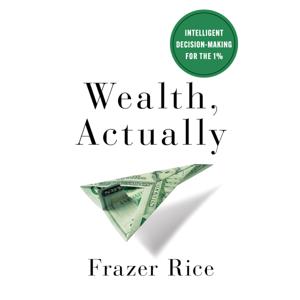
    For more on this and other wealth topics, check out my book "Wealth, Actually" here:
    https://www.amazon.com/Wealth-Actually-Intelligent-Decision-Making-1-ebook/dp/B07FPQJJQT

    23 min
  • SPORTS SPECIALIZATION: The “Pundficator” and “Wealth, Actually” take on the Pressure of Sports Success

    Another reminder that the "Wealth, Actually" podcasts come out on Thursday morning before the EST commute. You can subscribe on most major podcast platforms . . . and now on with the show!


    Remember Todd Marinovich? He was on the cover of Sports Illustrated as the archetype for early specialization and "guaranteed success" in sports . . . his story started out nicely, but ended in a horrible flame out. Here is a recent update on his progress from Rick Telander . . .


    https://chicago.suntimes.com/2019/1/15/18386050/todd-marinovich-story-is-a-cautionary-tale-for-parents


    In this Episode, Haven and I engage our society's thirst for sports success, the pressure it puts on early sports specialization and the damage it can cause.


    We tackle:


    * The role of sports in social mobility* How colleges and the admissions process have played a role in sports machine* The benefits of team activities in overall development* The lottery-like odds of success* The nature of injuries and the risk of specialization* The benefits of specialization and the risk of being left behind


    Let us know what you think!


    https://www.amazon.com/Wealth-Actually-Intelligent-Decision-Making-1-ebook/dp/B07FPQJJQT

    43 min
  • SPORTS SPECIALIZATION: The “Pundficator” and “Wealth, Actually” take on the Pressure of Sports Success
    Another reminder that the "Wealth, Actually" podcasts come out on Thursday morning before the EST commute. You can subscribe on most major podcast platforms . . . and now on with the show!
    Remember Todd Marinovich? He was on the cover of Sports Illustrated as the archetype for early specialization and "guaranteed success" in sports . . . his story started out nicely, but ended in a horrible flame out. Here is a recent update on his progress from Rick Telander . . .
    https://chicago.suntimes.com/2019/1/15/18386050/todd-marinovich-story-is-a-cautionary-tale-for-parents
    In this Episode, Haven and I engage our society's thirst for sports success, the pressure it puts on early sports specialization and the damage it can cause.
    We tackle:
    The role of sports in social mobilityHow colleges and the admissions process have played a role in sports machineThe benefits of team activities in overall developmentThe lottery-like odds of successThe nature of injuries and the risk of specializationThe benefits of specialization and the risk of being left behind
    Let us know what you think!
    https://www.amazon.com/Wealth-Actually-Intelligent-Decision-Making-1-ebook/dp/B07FPQJJQT
    43 min
  • THE FUTURE: “Pundificator” and “Wealth Actually” Discuss Themes Identified by a NYC Venture Capitalist

    HOUSEKEEPING: Podcasts are scheduled to post every Thursday morning just before the EST commute . . . and now for this week's podcast.


    Occasionally, you get to look at someone's vision for the future and it fires one's intellectual synapses. In this case, we came across a post at the beginning of the year that fit the bill. It comes from New York venture capitalist, FRED WILSON.


    In this podcast, we take each of his prognostications in turn . . . his list of ten themes and the full (and interesting) post is linked below. Enjoy and let us which themes we should all be thinking about.


    https://avc.com/2020/01/what-will-happen-in-the-2020s/


    Fred Wilson: What Will Happen In The 2020s


    1/ The looming climate crisis will be to this century what the two world wars were to the previous one.


    2/ Automation will continue to take costs out of operating many of the services and systems that we rely on to live and be productive.


    3/ China will emerge as the world’s dominant global superpower leveraging its technical prowess and ability to adapt quickly to changing priorities. Conversely the US becomes increasingly internally focused and isolationist in its world view.


    4/ Countries will create and promote digital/crypto versions of their fiat currencies, led by China who moves first and benefits the most from this move.


    5/ A decentralized internet will emerge, led initially by decentralized infrastructure services like storage, bandwidth, compute, etc.


    6/ Plant based diets will dominate the world by the end of the decade. Eating meat will become a delicacy, much like eating caviar is today. Much of the world’s food production will move from farms to laboratories.


    7/ The exploration and commercialization of space will be dominated by private companies as governments increasingly step back from these investments.


    8/ Mass surveillance by governments and corporations will become normal and expected this decade and people will increasingly turn to new products and services to protect themselves from surveillance.


    9/ We will finally move on from the Baby Boomers dominating the conversation in the US and around the world and Millennials and Gen-Z will be running many institutions by the end of the decade.


    10/ Continued advancements in genetics will produce massive wins this decade as cancer and other terminal illnesses become well understood and treatable. "


    SUBSCRIBE AND TELL A FRIEND ABOUT THE PODCAST . . .


    https://www.amazon.com/Wealth-Actually-Intelligent-Decision-Making-1-ebook/dp/B07FPQJJQT

    58 min
  • THE FUTURE: “Pundificator” and “Wealth Actually” Discuss Themes Identified by a NYC Venture Capitalist
    HOUSEKEEPING: Podcasts are scheduled to post every Thursday morning just before the EST commute . . . and now for this week's podcast.
    Occasionally, you get to look at someone's vision for the future and it fires one's intellectual synapses. In this case, we came across a post at the beginning of the year that fit the bill. It comes from New York venture capitalist, FRED WILSON.
    In this podcast, we take each of his prognostications in turn . . . his list of ten themes and the full (and interesting) post is linked below. Enjoy and let us which themes we should all be thinking about.
    https://avc.com/2020/01/what-will-happen-in-the-2020s/
    Fred Wilson: What Will Happen In The 2020s
    1/ The looming climate crisis will be to this century what the two world wars were to the previous one.
    2/ Automation will continue to take costs out of operating many of the services and systems that we rely on to live and be productive.
    3/ China will emerge as the world’s dominant global superpower leveraging its technical prowess and ability to adapt quickly to changing priorities. Conversely the US becomes increasingly internally focused and isolationist in its world view.
    4/ Countries will create and promote digital/crypto versions of their fiat currencies, led by China who moves first and benefits the most from this move.
    5/ A decentralized internet will emerge, led initially by decentralized infrastructure services like storage, bandwidth, compute, etc.
    6/ Plant based diets will dominate the world by the end of the decade. Eating meat will become a delicacy, much like eating caviar is today. Much of the world’s food production will move from farms to laboratories.
    7/ The exploration and commercialization of space will be dominated by private companies as governments increasingly step back from these investments.
    8/ Mass surveillance by governments and corporations will become normal and expected this decade and people will increasingly turn to new products and services to protect themselves from surveillance.
    9/ We will finally move on from the Baby Boomers dominating the conversation in the US and around the world and Millennials and Gen-Z will be running many institutions by the end of the decade.
    10/ Continued advancements in genetics will produce massive wins this decade as cancer and other terminal illnesses become well understood and treatable. "
    SUBSCRIBE AND TELL A FRIEND ABOUT THE PODCAST . . .
    https://www.amazon.com/Wealth-Actually-Intelligent-Decision-Making-1-ebook/dp/B07FPQJJQT
    58 min