
Sign up to save your podcasts
Or



Elvis Presley was the King of Rock and Roll, one of the most famous and highest-earning entertainers of his generation. He sold hundreds of millions of records, filled stadiums, and built a name recognized around the world. Yet when he died in 1977, the fortune behind that fame was in trouble.
Elvis had a will, but his estate was asset-rich and cash-poor. Taxes, ongoing expenses, financial mismanagement, and deals made during his lifetime put enormous pressure on what he left behind. Within a few years of his death, his family faced the possibility of selling Graceland just to pay the bills.
How does someone build a fortune and still leave behind an estate at risk of losing everything?
What They Left Behind: The Coates Brief explores the estate stories of celebrities and high-profile individuals and the legal lessons their experiences can offer the rest of us. Elvis Presley’s story is a powerful reminder that earning and building wealth is only part of creating a legacy. Protecting it, managing it, and making sure the right people are in place to preserve it matter just as much.
This episode covers:
Here is the part that matters. Elvis left behind extraordinary assets, but the estate surrounding them was struggling. It took new management, capable professionals, the opening of Graceland to the public, and a serious effort to protect and license his name and image to help rebuild what was nearly lost.
After you listen, ask yourself one question. Is your legacy simply valuable, or is there a plan in place to make sure that value can actually last?
Whether it is your estate, your family, or the name and brand you have worked to build, protecting your legacy starts with a plan. For estate planning and family law, I am licensed in Washington, D.C. and Maryland. Because trademark law is a federal practice, I can help protect your brand nationwide.
Learn more at thecoatesfirm.com.
This episode is for education, not legal advice, and listening does not create an attorney-client relationship. Coates Family Law, PLLC is licensed in DC and Maryland only. Details about Elvis Presley’s estate are drawn from widely reported public accounts.
Chadwick Boseman was a celebrated actor whose performances brought some of the most important figures in history to the screen before he became a global star as Black Panther. Behind that extraordinary career, he was privately facing colon cancer, a diagnosis he carried for four years while continuing to work, create, and inspire millions.
When he died in 2020 at just 43 years old, he left behind something few expected: no will.
What happens when you know time may be limited, but the estate plan still never gets made?
What They Left Behind: The Coates Brief explores the estate stories of celebrities and high-profile individuals and the legal lessons their experiences can offer the rest of us. Chadwick Boseman’s story is a powerful reminder that knowing you need a plan and actually creating one are two very different things.
This episode covers:
Here is the part that matters. Chadwick Boseman knew about his diagnosis for four years. Yet despite having time, resources, and an extraordinarily intentional approach to so many other parts of his life, the estate plan was never made. His widow ultimately had to petition the court to administer his estate, and state law determined how the estate would be divided.
After you listen, ask yourself one question. What are you waiting for before you finally put your own plan in place?
The right time may never feel like the right time. When you are ready to protect your family and make your wishes clear, DC and Maryland families can schedule a consultation with Coates Family Law at coatesfamilylaw.com/contact.
This episode is for educational purposes only, not legal advice, and listening does not create an attorney-client relationship. Coates Family Law, PLLC is licensed in DC and Maryland only. Details about Chadwick Boseman’s estate are drawn from widely reported public accounts.
Judy Garland was a legendary actress, singer, and entertainer whose performances made her one of the most recognizable stars in Hollywood history. From The Wizard of Oz to sold-out concert halls around the world, she earned enormous sums throughout her career. Yet when she died in 1969 at just 47 years old, she left behind substantial debts and a will filled with generous wishes that her estate could not fulfill.
More than 500 of her personal belongings were eventually auctioned to help raise money, and her daughter Liza Minnelli reportedly stepped in to help address the financial aftermath.
What happens when you have a legally valid will, but there is not enough left in your estate to carry out what it says?
What They Left Behind: The Coates Brief explores the estate stories of celebrities and high-profile individuals and the legal lessons their experiences can offer the rest of us. Judy Garland’s story is a powerful reminder that creating a will is only one part of protecting the people you love. The estate behind those wishes matters, too.
This episode covers:
Here is the part that matters. Judy Garland had a will. She wrote down her wishes, and those wishes were generous. But a will does not create the money or property needed to fulfill those wishes. Her estate was burdened by debt, taxes, and other obligations, leaving many of the gifts she intended to make unable to be carried out.
After you listen, ask yourself one question. If your estate plan promises something to the people you love, will the estate you are building today actually be able to deliver it?
If you are not sure, that is worth reviewing. DC and Maryland families can schedule a consultation with Coates Family Law at coatesfamilylaw.com/contact when you are ready to take that step.
This episode is for educational purposes only, not legal advice, and listening does not create an attorney-client relationship. Coates Family Law, PLLC is licensed in DC and Maryland only. Details about Judy Garland’s estate are drawn from widely reported public accounts.
Billie Holiday was a legendary jazz singer and cultural icon whose voice transformed American music and influenced generations of artists. But when she died in 1959 at just 44 years old, she reportedly had only 70 cents in the bank and no will.
What she left behind, however, was worth far more.
Her recordings, publishing rights, image, autobiography, and musical legacy would continue to generate value for decades. Because she died without a will while still legally married to her estranged husband, the law, not Billie Holiday, determined who would inherit her estate.
What happens when you leave behind a valuable legacy but never put in writing who should receive it?
What They Left Behind: The Coates Brief explores the estate stories of celebrities and high-profile individuals and the legal lessons their experiences can offer the rest of us. Billie Holiday’s story is a powerful reminder that the value of your legacy is not measured by what happens to be sitting in your bank account when you die.
This episode covers:
Here is the part that matters. Billie Holiday died with 70 cents in the bank and a legacy that would ultimately be worth millions. Without a will, she did not get to decide who would inherit that legacy. The law made that decision for her.
After you listen, ask yourself one question. If something happened to you today, would the people and causes you actually choose to receive what you left behind, or would the law make that decision for you?
If you are not sure, that is worth fixing. DC and Maryland families can book a consultation with Coates Family Law at coatesfamilylaw.com/contact when you are ready to take that step.
This episode is for educational purposes only, not legal advice, and listening does not create an attorney-client relationship. Coates Family Law, PLLC is licensed in DC and Maryland only. Details about Billie Holiday’s estate are drawn from widely reported public accounts.
Gene Hackman was an Academy Award-winning actor whose career spanned decades and included some of the most memorable performances in American film. When he died at 95, he had an estate plan in place. But his will was nearly 20 years old, and it left his entire estate to one person: his wife, Betsy Arakawa. When Betsy died just days before him, an estate plan centered around a single beneficiary faced a question it did not clearly answer.
What happens when the person your estate plan depends on is no longer there?
What They Left Behind: The Coates Brief explores the estate stories of celebrities and high-profile individuals and the legal lessons their experiences can offer the rest of us. Gene Hackman’s story is a powerful reminder that having an estate plan is not enough. A strong plan also needs to account for what happens when life does not unfold in the order you expected.
This episode covers:
Here is the part that matters. Gene Hackman had a will and an estate plan, but his public-facing will was nearly two decades old and named his wife as his sole beneficiary without a visible alternate. Betsy’s plan, on the other hand, included a survivorship provision designed to address what would happen if they died close together. Their story is a reminder that an estate plan should not depend on everything happening exactly as expected.
After you listen, ask yourself one question. If the person you named as your primary beneficiary could not inherit from you, would your estate plan clearly say what happens next?
If you are not sure, that is worth fixing. DC and Maryland families can book a consultation with Coates Family Law at coatesfamilylaw.com/contact when you are ready to take that step.
This episode is for education, not legal advice, and listening does not create an attorney-client relationship. Coates Family Law, PLLC is licensed in DC and Maryland only. Details about Gene Hackman’s estate are drawn from widely reported public accounts.
Robin Williams was a beloved actor, comedian, and cultural icon whose work entertained generations around the world. Unlike many estate stories, his did not begin with the absence of a plan. He created trusts, signed the documents, and took the steps many people never do. Yet after his death, his family still found themselves in court arguing over a tuxedo, watches, photographs, and other deeply personal belongings.
What happened when a carefully prepared estate plan still left room for conflict?
What They Left Behind: The Coates Brief explores the estate stories of celebrities and high-profile individuals and the legal lessons their experiences can offer the rest of us. Robin Williams’ story is a powerful reminder that having an estate plan is only part of the work. The words inside that plan matter, too.
This episode covers:
Here is the part that matters. Robin Williams did so many things right. His estate plan protected his family, preserved his privacy, and even anticipated future issues surrounding his name, image, and likeness. But a few ordinary words left open to interpretation became the center of a legal dispute. The lesson is simple. An estate plan is not just about having documents. It is about making sure those documents leave as little room for misunderstanding as possible.
After you listen, ask yourself one question. If your loved ones had to divide your personal belongings today, would your wishes be clear, or would they be left to guess?
If you are not sure, that is worth fixing. DC and Maryland families can book a consultation with Coates Family Law at coatesfamilylaw.com/contact when you are ready to take that step.
This episode is for education, not legal advice, and listening does not create an attorney-client relationship. Coates Family Law, PLLC is licensed in DC and Maryland only. Details about Robin Williams’ estate are drawn from widely reported public accounts.
Aretha Franklin was a legendary singer, songwriter, and cultural icon known around the world as the Queen of Soul. She spent her life creating one of the greatest musical legacies in history. But when she died in 2018, her family believed she had left no will at all. Months later, handwritten documents were discovered inside her home, including one tucked beneath a couch cushion.
What came next became a legal battle over one simple question: Can a handwritten note really count as a will?
What They Left Behind: The Coates Brief explores the estate stories of celebrities and high-profile individuals and the legal lessons their experiences can offer the rest of us. Aretha Franklin’s story is a powerful reminder that writing down your wishes is not necessarily the same as having a clear, complete estate plan.
This episode covers:
Here is the part that matters. Aretha Franklin eventually had documents that reflected her wishes, but they still left her family in court deciding which version should control. A plan that is difficult to interpret can create many of the same problems as having no plan at all.
After you listen, ask yourself one question. If your loved ones had to find your estate plan today, would they know exactly where it is, and would there be any doubt about which version is the right one?
If you are not sure, that is worth fixing. DC and Maryland families can book a consultation with Coates Family Law at coatesfamilylaw.com/contact when you are ready to take that step.
This episode is for education, not legal advice, and listening does not create an attorney-client relationship. Coates Family Law, PLLC is licensed in DC and Maryland only. Details about Aretha Franklin’s estate are drawn from widely reported public accounts.
Prince had 156 million dollars and no will. Aretha Franklin left her last wishes in a notebook under a couch cushion.
These are not just stories about celebrities and high-profile individuals. They are reality checks for the rest of us.
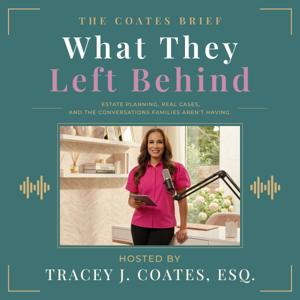
Welcome to What They Left Behind: The Coates Brief. I’m Tracey J. Coates, an estate planning and family law attorney. In each episode, I take you inside high-profile estates, unpack what happened, and share the legal lessons that can help you make more informed decisions for your own family.
New episodes every Tuesday.
Prince was a world famous singer, songwriter, musician, and cultural icon who spent his career fighting to control his own music down to the smallest detail. He was meticulous, private, and famously protective of his work. And when he died unexpectedly in 2016, he left behind an estate widely reported at around $156 million with no will at all.
What came next is the part that should make all of us pause. Because there was no plan, his estate went into a long and public probate process, drawing claims from people who said they were his heirs and stretching on for years before it was finally settled. A man who controlled everything in life controlled almost nothing about what happened after it.
What They Left Behind: The Coates Brief explores the estate stories of celebrities and high profile individuals, and the legal lessons their experiences can offer the rest of us. Prince’s story is a powerful reminder that fame, wealth, and access to resources are not substitutes for having a plan.
This episode covers:
Here is the heart of it. Prince had the money, the lawyers, and the time. He still left nothing in writing. If it can happen to someone with every resource available, it can happen to anyone who keeps meaning to get to it.
After you listen, take a quiet minute and ask yourself the simplest version of this question. If something happened to me tomorrow, would the people I love know what I wanted, and would the law agree with them?
If you are not sure, that is worth fixing. DC and Maryland families can book a consultation with Coates Family Law at coatesfamilylaw.com/contact when you are ready to take that step.
This episode is for education, not legal advice, and listening does not create an attorney-client relationship. Coates Family Law, PLLC is licensed in DC and Maryland only. Details about Prince's estate are drawn from widely reported public accounts.
From the publisher's feed
Prince had $156 million and no will. Aretha Franklin's last wishes were found in a spiral notebook under a couch cushion. Chadwick Boseman knew he was dying for four years and never wrote a single…
These are not stories about careless people. They are stories about brilliant, accomplished people who put off the one thing that would have protected everyone they loved.
Every Tuesday, estate planning and family law attorney Tracey J. Coates breaks down what actually happened, what the law did with it, and what you can do right now so your family is not the next cautionary tale.
What They Left Behind: The Coates Brief is the estate planning conversation you have been meaning to have.
Licensed in Maryland and Washington, D.C. New episodes every Tuesday at coatesfamilylaw.com.