
Sign up to save your podcasts
Or


When most people think about hearing care, they think about ears—not brains. But research over the last decade has made one thing clear: hearing loss and brain health are deeply connected.
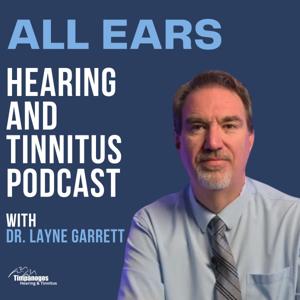
In this episode, Dr. Layne Garrett of Timpanogos Hearing & Tinnitus explains why cognitive screening should be a routine part of every hearing evaluation. Drawing from major findings in the 2024 Lancet Commission on Dementia, he discusses how untreated hearing loss has emerged as one of the largest modifiable risk factors for cognitive decline and dementia.
Dr. Garrett breaks down why hearing loss places such a heavy load on the brain, how listening effort drains cognitive resources, and why social isolation further accelerates brain health risks. He also explains why hearing loss and cognitive decline can look strikingly similar—and why screening for both is essential to getting the full picture.
You'll learn why traditional cognitive tests often fail in hearing clinics, how newer visual-based screening tools are changing best practices, and what early detection means for patients and families. Most importantly, this episode focuses on proactive care—protecting hearing, supporting brain health, and maintaining connection and quality of life as we age.
📘 Learn more about hearing and brain health: https://utahhearingaids.com/learning-center
🗓 Northern Utah patients can schedule comprehensive care at: https://utahhearingaids.com
 View all episodes
 By Layne Garrett
When most people think about hearing care, they think about ears—not brains. But research over the last decade has made one thing clear: hearing loss and brain health are deeply connected.
In this episode, Dr. Layne Garrett of Timpanogos Hearing & Tinnitus explains why cognitive screening should be a routine part of every hearing evaluation. Drawing from major findings in the 2024 Lancet Commission on Dementia, he discusses how untreated hearing loss has emerged as one of the largest modifiable risk factors for cognitive decline and dementia.
Dr. Garrett breaks down why hearing loss places such a heavy load on the brain, how listening effort drains cognitive resources, and why social isolation further accelerates brain health risks. He also explains why hearing loss and cognitive decline can look strikingly similar—and why screening for both is essential to getting the full picture.
You'll learn why traditional cognitive tests often fail in hearing clinics, how newer visual-based screening tools are changing best practices, and what early detection means for patients and families. Most importantly, this episode focuses on proactive care—protecting hearing, supporting brain health, and maintaining connection and quality of life as we age.
📘 Learn more about hearing and brain health: https://utahhearingaids.com/learning-center
🗓 Northern Utah patients can schedule comprehensive care at: https://utahhearingaids.com