
Sign up to save your podcasts
Or

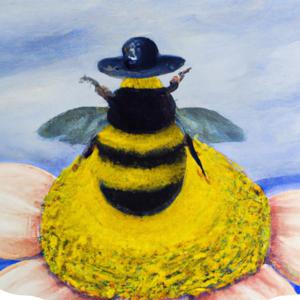

Nearly every peppermint plant you'll ever meet is a clone. Peppermint is a sterile hybrid that barely sets seed — it doesn't need pollinators, and bees have nothing to do with peppermint oil yields, despite what you'll often read. But wild bees work mint flowers relentlessly anyway. This episode untangles what peppermint actually owes to bees, and why garden mint is one of the best mid-summer nectar sources you can grow for native bees.
SecretPollinators.com
KEY SOURCESPeppermint origin, sterility, propagation
Oil biosynthesis and trichomes
Mint attractiveness to pollinators
Mid-summer forage gaps
Bee natural history
#SecretPollinators #NativeBees #WildBees #Peppermint #MintPollinators #SmallCarpenterBees #SweatBees #PollinatorGarden #NativeBeeHabitat #GardenForBees
 View all episodes
 By Kelly Parks
Nearly every peppermint plant you'll ever meet is a clone. Peppermint is a sterile hybrid that barely sets seed — it doesn't need pollinators, and bees have nothing to do with peppermint oil yields, despite what you'll often read. But wild bees work mint flowers relentlessly anyway. This episode untangles what peppermint actually owes to bees, and why garden mint is one of the best mid-summer nectar sources you can grow for native bees.
SecretPollinators.com
KEY SOURCESPeppermint origin, sterility, propagation
Oil biosynthesis and trichomes
Mint attractiveness to pollinators
Mid-summer forage gaps
Bee natural history
#SecretPollinators #NativeBees #WildBees #Peppermint #MintPollinators #SmallCarpenterBees #SweatBees #PollinatorGarden #NativeBeeHabitat #GardenForBees