
Sign up to save your podcasts
Or



Nusuk is more than just a Hajj , Umrah & Rawdah booking platform ,51 million pilgrims are already using it for Tasbeeh, Qibla, Adhan, Hisnul Muslim, family tracking and over 130 services, all in one place 😍
5 historical sites in Makkah that shaped Islamic history how many have you visited during Umrah or Hajj?#hajj #makkah #hajj2026
The Makkah Route Initiative explained…… part of Saudi Vision 2030, allowing Hajj pilgrims from 10 countries to skip airport queues and go straight to their hotel in Saudi Arabia.
The Nusuk Card and Digital Visitor ID what every Hajj 2026 pilgrim needs to know before travelling to Saudi Arabia. #hajj #makkah #madinah #nusuk #hajj2026
slamic finance is a $4 trillion global industry as Indians, shouldn’t we explore how this ethical banking model could serve 200 million of our citizens and what options are already available here?
Whatever you’re carrying right now , it has an expiry date.
one of the largest dark web networks ever dismantled. What they found inside will change how you think about social media. Part three of a series every parent needs to watch. 🔒
Part two of a series every parent needs to watch. 🔒#ChildSafety #OnlineSafety #ParentingTips
From the publisher's feed
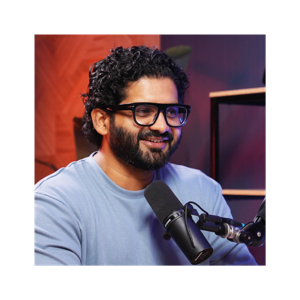
Welcome to Worlds Local, a podcast show that flips the narrative by shining a spotlight on local heroes and inspiring stories from our communities, bringing them to a global…
Worlds Local is here to present stories that resonate closer to home but carry lessons for the world. Tune in for engaging conversations, fresh insights, and a new way to see the extraordinary in the everyday.