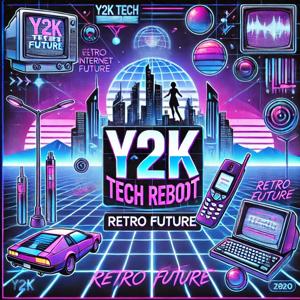
Y2K Tech Reboot: Retro Future is riding a wave that blends nostalgia with cutting-edge innovation, turning the early-2000s aesthetic into a living, breathing tech trend rather than a costume party. Far from being a gimmick, this reboot is reshaping how devices look, sound, and even feel in daily life.
According to coverage in fashion and culture outlets like The Beat Asia, the broader Y2K revival began in streetwear and skate culture, with bold graphics, chrome details, and chunky silhouettes that deliberately echo the late-90s and early-2000s mood. That same visual language is now bleeding into technology design: translucent plastics, candy colors, and physical buttons are returning in everything from mechanical keyboards to limited-edition phones and handhelds.
Events calendars across cities, from New York nightlife guides like Loop Magazine to regional listings platforms in the U.S. Midwest, show a surge of Y2K-themed nights, gaming parties, and “retro future” club events. These gatherings are not just about dressing the part; they often feature CRT-style visuals, early internet iconography, and DJ sets built around glitch, bloghouse, and late-90s trance, turning the tech of that era into a performance backdrop.
On the hardware side, retro-styled handheld game devices, MP3-player-inspired audio gear, and flip-phone concept designs are attracting attention from both indie makers and big brands. Tech blogs report that limited runs of translucent controllers, Walkman-style Bluetooth players, and tape-inspired smart speakers routinely sell out, signaling that listeners are hungry for objects that feel tangible and distinctive in a sea of black slabs.
The “retro future” twist comes from mixing those nostalgic shells with thoroughly modern guts: OLED screens behind faux-CRT frames, AI-enhanced cameras in toys that look like disposable film, or cloud-connected devices that boot with startup chimes reminiscent of Windows 98. Commentators in design media argue that this is partly a reaction to always-on surveillance capitalism; there is comfort in devices that *look* simpler, even when they are fully networked.
At the cultural level, critics note that the original Y2K moment was defined by anxiety about a technological apocalypse that never arrived. The new Y2K Tech Reboot flips that script: it embraces the optimism of that era—when the internet still felt experimental—and asks what a softer, more playful future could look like.
Thank you for tuning in, and don’t forget to subscribe. This has been a quiet please production, for more check out quiet please dot ai.
Some great Deals https://amzn.to/49SJ3Qs
For more check out http://www.quietplease.ai
This content was created in partnership and with the help of Artificial Intelligence AI.