
Sign up to save your podcasts
Or

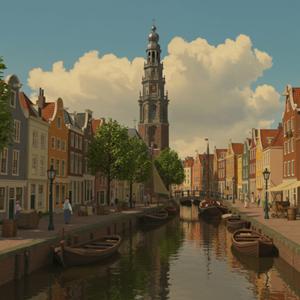


When you close your eyes and picture the city of the future, what do you see? Is it flying cars? Is it sleek, self-driving pods whizzing through glass tunnels?
For decades, our collective imagination has been dominated by one object: the automobile. We tend to think that the future of transportation is simply about making cars faster, or smarter, or driverless. But what if this obsession with the "car" is actually preventing us from seeing a better future?
Today, we are diving into the work of Farzaneh Bahrami, a researcher who is challenging the very foundations of how we plan our cities. Her work explores what she calls the "Post-Car World." But this isn't just about banning cars. It is about a fundamental philosophical shift: rethinking the relationship between our bodies, our vehicles, and the streets we inhabit
留言告訴我你對這一集的想法:
留言告訴我你對這一集的想法: https://open.firstory.me/user/cmcxfur4c000301uc1m4yeu66/comments
「沒有我們的參與,就不要替我們做決定」(Nothing About Us, Without Us)是障礙權利運動的核心口號,體現了自我賦權與主體性的精神 。參與式行動研究(Participatory Action Research, PAR)與共同設計(Co-design)正是此精神在研究與實踐中的體現。
通用設計(Universal Design, UD)是此新框架的指導哲學。UD 被定義為「盡最大可能地設計所有人都可使用的產品與環境,而無需進行調整或專門化設計」。它是一種積極主動的哲學,而非被動的修補。
無障礙旅遊被定義為一種旅遊形式,旨在使有各種近用需求(access requirements)的人們(包括行動、視覺、聽覺、認知等)能夠獨立、公平且有尊嚴地參與其中 。其根本目標是將身心障礙者納入旅遊活動乃至整個社會之中 。
留言告訴我你對這一集的想法: https://open.firstory.me/user/cmcxfur4c000301uc1m4yeu66/comments
主要探討臺南鐵路地下化計畫的政策形成與都市發展,特別關注其決策過程中的權力運作。文本分析了此類大型基礎建設如何聲稱改善交通、促進都市更新和平衡發展,同時也指出了龐大財政負擔、徵地拆遷和對臺灣鐵路管理局營運的潛在影響。
資料特別運用「都市政權理論」,解釋了臺南特定政黨派系如何與官僚機構、利益團體、媒體及專業社群合作,推動這個充滿爭議的計畫,並評估了這種治理模式對社會正義和政府財政的負面衝擊。其中包含多個研究報告、論文摘要及相關新聞報導,旨在從多角度解析臺南鐵路地下化專案的複雜性及其對當地社會經濟的深遠影響。
留言告訴我你對這一集的想法: https://open.firstory.me/user/cmcxfur4c000301uc1m4yeu66/comments
這份資料主要是一篇博士論文,探討了藝術空間在北京和柏林的城市環境中的作用。
作者 Julie Ren 檢視了這些藝術空間的創建、維持及其對城市的影響,特別著重於能動性和資源移動如何塑造城市景觀。論文通過個案研究,例如北京的798藝術區,批判性地分析了城市發展理論中的殖民主義和發展主義謬誤,並提出了一種超越傳統二元對立的比較城市主義方法。
此外,它也探討了藝術家作為「乘客」或「游牧者」的身份,以及他們如何利用創意資本與城市進行協商,挑戰了關於城市邊界和流動性的既有觀念,提出「遊輪空間」作為理解移動性構成空間的新視角。
留言告訴我你對這一集的想法: https://open.firstory.me/user/cmcxfur4c000301uc1m4yeu66/comments
這些資料主要探討希望與樂觀在當代社會,特別是在新自由主義和不穩定性背景下的複雜動態。Berlant的《殘酷樂觀主義》引入了殘酷樂觀主義的概念,即當對美好生活的執著導致困境,而非實現美好生活時所發生的情況,並透過文學作品和電影來檢視其影響。
Pettit的文章則將Berlant的理論應用於後革命時代的開羅,揭示了埃及青年如何被績效主義敘事所激勵,儘管這些敘事加劇了他們在不穩定工作中的沮喪和無力感。與此同時,Eagleton在《無樂觀主義的希望》中,批判了盲目的樂觀主義和進步主義,並認為真正的希望需要嚴肅地面對當前的困境,這與一種悲劇性的現實主義觀點更為一致。總體而言,這些文本反思了情感、社會結構和個人能動性之間的關係,以及人們如何在持續的危機中生存和理解歷史。
留言告訴我你對這一集的想法: https://open.firstory.me/user/cmcxfur4c000301uc1m4yeu66/comments
這些文章主要由Julie Ren撰寫,探討了城市地理學中的幾個關鍵概念。其中一篇概述了《Urban Geography》期刊中書評論壇的復興,旨在為書籍評論提供一個探索性的空間,並促進更具生成性的討論,而非僅僅是實用性評估。其他文章則深入探討了比較地理學中的不同比較方法,例如以個案研究為基礎的「個體化」方法和側重於系統性過程的「包容性」方法,同時批判了比較類別中可能存在的偏見。此外,還有文章檢視了當代危機如何轉變藝術事件,特別關注藝術集體在面對持續性危機時,如何將關注點從藝術的「重要性」轉向「關懷」的實踐。這些著作共同反映了Ren在城市研究、學術出版以及藝術與社會危機交叉領域的學術興趣和貢獻。
留言告訴我你對這一集的想法: https://open.firstory.me/user/cmcxfur4c000301uc1m4yeu66/comments
摘要:一位跨領域都市主義者的學術輪廓
Irene Luque Martín博士是一位傑出的學者與實踐家,她的職業生涯橫跨了學術研究、頂尖建築事務所實踐以及機構研究領導等多個領域。她的工作核心在於不斷嘗試將先進的都市科技與數據驅動方法,與對協作過程、永續性以及日益重要的空間正義的堅定承諾相結合。Luque Martín博士的研究領域並非單一學科所能界定,而是建築、都市規劃、科技與批判理論的交匯點。
本報告旨在深入剖析Luque Martín博士 multifaceted 的研究領域,追溯其從博士論文奠定的方法論基礎,到她在不同專業機構中應用的主題性研究,再到她近期在學術界提出的批判性觀點。本報告的核心論點為:Luque Martín博士的學術軌跡不僅反映了她個人的智識成長,也體現了更廣泛的都市規劃與設計領域的成熟過程——從早期對技術解決方案的關注,轉向對設計過程本身更為深刻、更具倫理性的詰問。她的貢獻在於,為21世紀的都市主義者提供了一個整合性的視野,即如何運用科技的強大力量,來實現一個更具永續性與正義性的都市未來。
留言告訴我你對這一集的想法: https://open.firstory.me/user/cmcxfur4c000301uc1m4yeu66/comments
本論文探討了通勤者選擇騎自行車上班的動機和頻率,並分析了影響這些決策的各種因素。
研究特別關注工作相關因素、個人態度與社會規範,以及日常變化,例如天氣條件。透過在荷蘭和美國進行的定量調查與定性訪談,本研究比較了不同城市間的行為模式與信念差異。此外,論文也深入研究了自行車基礎設施的重要性、工作場所設施的影響,以及鼓勵更多人騎自行車的政策建議,旨在促進更健康永續的社會。
政策啟示
分眾鼓勵策略:政策應針對不同群體的自行車通勤者(非騎行者、兼職騎行者、全職騎行者)制定差異化的鼓勵策略,因為他們受不同因素影響。
留言告訴我你對這一集的想法: https://open.firstory.me/user/cmcxfur4c000301uc1m4yeu66/comments
From the publisher's feed
主要是社會科學類筆記,由AI生成。
Powered by Firstory Hosting