
Sign up to save your podcasts
Or

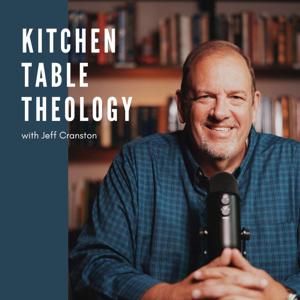

The Presbyterian Church has a long history rooted in the Protestant Reformation, but what exactly sets Presbyterianism apart from other Christian traditions?
Pastor Jeff Cranston sits down with Reverend Bill McCutchen, lead pastor at Hilton Head Presbyterian Church, to explore the key aspects of Presbyterian theology. If you haven’t seen part 1 of this conversation, feel free to go back and listen.
Here’s What We Discussed
00:55 - Infant Baptism
Many Christian denominations, including Presbyterians, practice infant baptism—but why? The practice is rooted in covenant theology, where God’s promises extend to believers and their children. They also baptize older children, teenagers, and adults who come to faith later in life.
03:24 - Covenant Theology and Baptism
What does it mean to be part of God’s covenant? God’s promises have always been generational, from Abraham to the New Testament Church. He highlights Peter’s sermon at Pentecost, where he says, “The promise is for you and your children” (Acts 2:39).
06:03 - Sprinkling vs. Immersion
Presbyterians typically use sprinkling or pouring. Rev. McCutchen explains that the Old Testament frequently refers to ritual cleansing through sprinkling (Ezekiel 36:25). The Greek word for baptism (baptizo) can mean to immerse, but also to wash or cleanse. While immersion symbolizes death and resurrection, sprinkling and pouring emphasize the outpouring of the Holy Spirit (Acts 2:17).
10:18 - Church Governance in Presbyterianism
Unlike some churches that are led by a single pastor or bishop, Presbyterian churches follow a plurality of elders model. McCutchen explains the difference between Teaching Elders and Ruling Elders. As far as allowing women pastors it depends on the denomination. The Presbyterian Church in America holds to a complementarian view; women can serve in many leadership roles but not as ordained pastors or elders.
15:04 - The Core of Reformed Theology: TULIP
Reformed theology is summarized by the acronym TULIP:
These doctrines were developed in response to Arminian theology and remain foundational to Presbyterian beliefs today.
20:14 - Closing Thoughts
Reverend McCutchen and Pastor Jeff reflect on the importance of unity in Christ, despite denominational differences.
Visit Hilton Head Presbyterian Church: https://www.hiltonheadpca.com/leadership
Join the Conversation
We love your feedback! If you enjoyed this episode, leave us a review. If you have any questions or comments on today's episode, email me at [email protected]
Visit my website https://www.jeffcranston.com and subscribe to my newsletter. Join me on Sunday mornings at LowCountry Community Church.
Check-in with us on Facebook or Instagram @pastorjeffcranston
Remember, the real power of theology is not only knowing it but applying it. Thanks for listening!
 View all episodes
 By Pastor Jeff Cranston
5
130130 ratings
The Presbyterian Church has a long history rooted in the Protestant Reformation, but what exactly sets Presbyterianism apart from other Christian traditions?
Pastor Jeff Cranston sits down with Reverend Bill McCutchen, lead pastor at Hilton Head Presbyterian Church, to explore the key aspects of Presbyterian theology. If you haven’t seen part 1 of this conversation, feel free to go back and listen.
Here’s What We Discussed
00:55 - Infant Baptism
Many Christian denominations, including Presbyterians, practice infant baptism—but why? The practice is rooted in covenant theology, where God’s promises extend to believers and their children. They also baptize older children, teenagers, and adults who come to faith later in life.
03:24 - Covenant Theology and Baptism
What does it mean to be part of God’s covenant? God’s promises have always been generational, from Abraham to the New Testament Church. He highlights Peter’s sermon at Pentecost, where he says, “The promise is for you and your children” (Acts 2:39).
06:03 - Sprinkling vs. Immersion
Presbyterians typically use sprinkling or pouring. Rev. McCutchen explains that the Old Testament frequently refers to ritual cleansing through sprinkling (Ezekiel 36:25). The Greek word for baptism (baptizo) can mean to immerse, but also to wash or cleanse. While immersion symbolizes death and resurrection, sprinkling and pouring emphasize the outpouring of the Holy Spirit (Acts 2:17).
10:18 - Church Governance in Presbyterianism
Unlike some churches that are led by a single pastor or bishop, Presbyterian churches follow a plurality of elders model. McCutchen explains the difference between Teaching Elders and Ruling Elders. As far as allowing women pastors it depends on the denomination. The Presbyterian Church in America holds to a complementarian view; women can serve in many leadership roles but not as ordained pastors or elders.
15:04 - The Core of Reformed Theology: TULIP
Reformed theology is summarized by the acronym TULIP:
These doctrines were developed in response to Arminian theology and remain foundational to Presbyterian beliefs today.
20:14 - Closing Thoughts
Reverend McCutchen and Pastor Jeff reflect on the importance of unity in Christ, despite denominational differences.
Visit Hilton Head Presbyterian Church: https://www.hiltonheadpca.com/leadership
Join the Conversation
We love your feedback! If you enjoyed this episode, leave us a review. If you have any questions or comments on today's episode, email me at [email protected]
Visit my website https://www.jeffcranston.com and subscribe to my newsletter. Join me on Sunday mornings at LowCountry Community Church.
Check-in with us on Facebook or Instagram @pastorjeffcranston
Remember, the real power of theology is not only knowing it but applying it. Thanks for listening!
9,324 Listeners
5,208 Listeners
7,389 Listeners
19,330 Listeners

14,209 Listeners

12,849 Listeners
28,441 Listeners
5,366 Listeners
35,707 Listeners

66,995 Listeners
45,665 Listeners
40,288 Listeners
61,481 Listeners

26,629 Listeners
16,962 Listeners