
Sign up to save your podcasts
Or

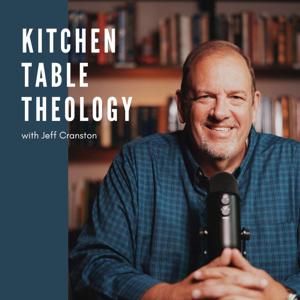

The Episcopal Church is a branch of Anglicanism. Over time, theological differences have created a divide, but what sets them apart? In this episode, Pastor Jeff sits down with Reverend Greg Kronz to explore the history, doctrinal shifts, and denominational splits that have shaped these two traditions.
Here’s What We Discussed:
01:10 - Reverend Greg’s Journey to Ministry
Raised in a Roman Catholic family, Reverend Greg had a deep respect for tradition and faith. He later found a personal relationship with Christ through Young Life. Seeking a church that blended historical liturgy with evangelical beliefs, he was drawn to the Episcopal Church.
07:19 - Anglicanism vs. Episcopalianism
Anglicanism began when the Church of England separated from the Roman Catholic Church in 1534. As the British Empire expanded, Anglicanism spread worldwide. In the U.S., Anglican churches were once part of the Episcopal Church. However, as theological differences grew, the Anglican Church of North America was formed, creating two distinct traditions.
09:35 - Why Did Many Churches Leave the Episcopal Church?
In 2003, the Episcopal Church consecrated Gene Robinson, its first openly gay bishop. This event deepened a growing divide. The issue was not just about social change but a larger departure from biblical authority. Reverend Greg explains how many Episcopalians felt the church was moving away from Scripture.
14:22 - Key Differences Between Episcopalian and Anglican Beliefs
The Episcopal Church takes a progressive approach, emphasizing inclusivity and modern interpretations of Scripture. The Anglican Church of North America remains committed to traditional biblical teachings, especially on marriage, salvation, and scriptural authority.
21:20 - The Role of Bishops and Church Structure
Both are led by bishops and organized into dioceses (groups of churches overseen by a bishop). The ACNA was formed as a response to theological shifts in the Episcopal Church. Reverend Greg shares how his church navigated this transition and how entire dioceses chose Anglicanism to maintain traditional beliefs.
We love your feedback! If you enjoyed this episode, leave us a review. If you have any questions or comments on today's episode, email me at [email protected]
Visit my website https://www.jeffcranston.com and subscribe to my newsletter. Join me on Sunday mornings at LowCountry Community Church.
Check-in with us on Facebook or Instagram @pastorjeffcranston
Remember, the real power of theology is not only knowing it but applying it. Thanks for listening!
 View all episodes
 By Pastor Jeff Cranston
5
130130 ratings
The Episcopal Church is a branch of Anglicanism. Over time, theological differences have created a divide, but what sets them apart? In this episode, Pastor Jeff sits down with Reverend Greg Kronz to explore the history, doctrinal shifts, and denominational splits that have shaped these two traditions.
Here’s What We Discussed:
01:10 - Reverend Greg’s Journey to Ministry
Raised in a Roman Catholic family, Reverend Greg had a deep respect for tradition and faith. He later found a personal relationship with Christ through Young Life. Seeking a church that blended historical liturgy with evangelical beliefs, he was drawn to the Episcopal Church.
07:19 - Anglicanism vs. Episcopalianism
Anglicanism began when the Church of England separated from the Roman Catholic Church in 1534. As the British Empire expanded, Anglicanism spread worldwide. In the U.S., Anglican churches were once part of the Episcopal Church. However, as theological differences grew, the Anglican Church of North America was formed, creating two distinct traditions.
09:35 - Why Did Many Churches Leave the Episcopal Church?
In 2003, the Episcopal Church consecrated Gene Robinson, its first openly gay bishop. This event deepened a growing divide. The issue was not just about social change but a larger departure from biblical authority. Reverend Greg explains how many Episcopalians felt the church was moving away from Scripture.
14:22 - Key Differences Between Episcopalian and Anglican Beliefs
The Episcopal Church takes a progressive approach, emphasizing inclusivity and modern interpretations of Scripture. The Anglican Church of North America remains committed to traditional biblical teachings, especially on marriage, salvation, and scriptural authority.
21:20 - The Role of Bishops and Church Structure
Both are led by bishops and organized into dioceses (groups of churches overseen by a bishop). The ACNA was formed as a response to theological shifts in the Episcopal Church. Reverend Greg shares how his church navigated this transition and how entire dioceses chose Anglicanism to maintain traditional beliefs.
We love your feedback! If you enjoyed this episode, leave us a review. If you have any questions or comments on today's episode, email me at [email protected]
Visit my website https://www.jeffcranston.com and subscribe to my newsletter. Join me on Sunday mornings at LowCountry Community Church.
Check-in with us on Facebook or Instagram @pastorjeffcranston
Remember, the real power of theology is not only knowing it but applying it. Thanks for listening!
9,361 Listeners
5,211 Listeners
7,457 Listeners

19,521 Listeners

593 Listeners

12,924 Listeners

28,494 Listeners
5,464 Listeners

36,296 Listeners

65,964 Listeners

46,368 Listeners

40,434 Listeners
62,395 Listeners

26,679 Listeners
16,982 Listeners