
Sign up to save your podcasts
Or


Episode One of Season Three! — A Sunday-evening full episode IN WHICH —
0:04:10: TERRIFIC REGISTER ARTICLE:
0:09:10: ROSE MORTIMER; or, THE BALLET-GIRL'S REVENGE:
0:34:50: A GHOSTLY SHORT STORY, to wit —
PLUS —
Join host Finn J.D. John. for a one-hour-long spree through the scandal-sheets and story papers of old London! Grab a flicker of blue ruin, unload your stumps, and let's go!
FLASH TERMS USED IN THIS EPISODE:
From intro and outro patter:
From comedy article in Punch Magazine:
From Flash poem, "Moll Spriggins":
"To the hundreds of Drury I write": Drury-lane was notorious for prostitutes in the early 1800s
"To those who are down in the whit": Whit means prison
"Rattling their darbies with pleasure": Darbies are handcuffs or manacles.
"Who laugh at the rum culls they've bit": Culls are prostitutes' customers.
"And now they are snacking the treasure": Snacking means divvying up.
"The harman is at the Old Bailey": A harman is a constable or beadle.
"For if that they twig ye, they'll nail ye": To twig mean to notice or get wise to.
"She tipt such a jorum of diddle": Diddle was gin.
"Garnish is the prisoner's delight": Garnish was a "fee" charged to new prisoners. This means they made Moll share her gin.
"Her fortune at diving did fail": Diving was pickpocketing.
"The nubbing cull pops from the pit": Nubbing means hanging (nub meant neck).
"O then to the tree I must go": The gallows, as in "Tyburn tree." Not a literal tree.
"And then comes the gownsmen you know": Gownsmen were clergymen or priests.
"The ladder shoves off — then we morris": To morris off meant to depart; it's a reference to being hanged, though, and the "morris dance" done after the drop.
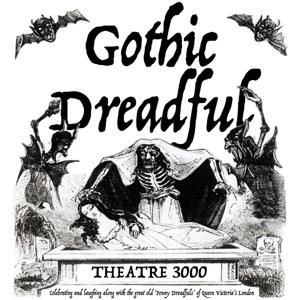
EPISODE ART is the cover art from the original 1867 publication of Rose Mortimer; or, The Ballet-girl's Revenge. It has, of course, been cleaned up and colored.
 View all episodes
 By Finn J.D. John/ Pulp-Lit Productions

4.4
99 ratings
Episode One of Season Three! — A Sunday-evening full episode IN WHICH —
0:04:10: TERRIFIC REGISTER ARTICLE:
0:09:10: ROSE MORTIMER; or, THE BALLET-GIRL'S REVENGE:
0:34:50: A GHOSTLY SHORT STORY, to wit —
PLUS —
Join host Finn J.D. John. for a one-hour-long spree through the scandal-sheets and story papers of old London! Grab a flicker of blue ruin, unload your stumps, and let's go!
FLASH TERMS USED IN THIS EPISODE:
From intro and outro patter:
From comedy article in Punch Magazine:
From Flash poem, "Moll Spriggins":
"To the hundreds of Drury I write": Drury-lane was notorious for prostitutes in the early 1800s
"To those who are down in the whit": Whit means prison
"Rattling their darbies with pleasure": Darbies are handcuffs or manacles.
"Who laugh at the rum culls they've bit": Culls are prostitutes' customers.
"And now they are snacking the treasure": Snacking means divvying up.
"The harman is at the Old Bailey": A harman is a constable or beadle.
"For if that they twig ye, they'll nail ye": To twig mean to notice or get wise to.
"She tipt such a jorum of diddle": Diddle was gin.
"Garnish is the prisoner's delight": Garnish was a "fee" charged to new prisoners. This means they made Moll share her gin.
"Her fortune at diving did fail": Diving was pickpocketing.
"The nubbing cull pops from the pit": Nubbing means hanging (nub meant neck).
"O then to the tree I must go": The gallows, as in "Tyburn tree." Not a literal tree.
"And then comes the gownsmen you know": Gownsmen were clergymen or priests.
"The ladder shoves off — then we morris": To morris off meant to depart; it's a reference to being hanged, though, and the "morris dance" done after the drop.
EPISODE ART is the cover art from the original 1867 publication of Rose Mortimer; or, The Ballet-girl's Revenge. It has, of course, been cleaned up and colored.

4,854 Listeners

195 Listeners
3,272 Listeners

2,131 Listeners
2,819 Listeners