
Sign up to save your podcasts
Or



Summary
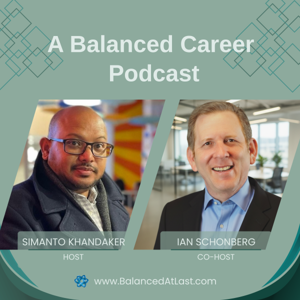
This episode explores the importance of spring cleaning your professional profile, especially your resume and LinkedIn, to stay relevant and prepared for career opportunities. Hosts Simanto Khandaker and Ian Schonberg share insights on timing, research, AI tools, and maintaining authenticity in your professional branding.
Keywords
resume, LinkedIn, spring cleaning, career development, professional branding, AI resume tools, job search, career coaching
Chapters
00:00 Spring Cleaning for Professional Development
02:38 The Importance of Regular Resume Updates
05:04 Four Seasons of Professional Development
07:26 Overcoming Resume Hesitations
09:53 LinkedIn vs. Resume: What Comes First?
12:24 The Role of AI in Resume Writing
23:13 Building Trust Through Authenticity
25:30 The Importance of Your Voice in Resumes
26:38 Crafting Impactful Resumes
29:42 Intentional Research for Job Applications
33:02 Balancing Research Time and Job Applications
34:28 Understanding Your Career Goals
37:56 The Psychology of Professional Development
41:11 Investing Time for Future Success
45:27 Feedback and Continuous Improvement
resources
LinkedIn - https://www.linkedin.com/in/simantokhandaker/
LinkedIn - https://www.linkedin.com/in/ianschonberg/
Summary
In this engaging interview, Scott Doyne shares his transformative journey from sports media executive to certified career coach, and author. Discover insights on midlife transitions, the importance of mentorship, and practical strategies like meditation and questioning to navigate career and life changes.
Key topics
Midlife career transition
Mentorship and building a personal board of advisors
The role of meditation and mindfulness in personal growth
Chapters
00:00 Introduction to Professional Development Psychology
03:04 Recognizing Signs of Change
06:33 Niche and Mission in Coaching
11:11 The Concept of Gap Years
14:23 Meditation and Mindfulness Practices
15:53 Writing Process and Creativity
18:51 Upcoming Book: Quarter Life Crisis
19:11 The Trilogy of Life Stages
19:55 Understanding Gen Z Stressors
21:25 Key Resources for Gen Z
22:43 The Importance of Mentorship
24:36 Coaching and Mental Health
25:22 Career and Financial Stressors
26:36 The Rise of Coaching Accessibility
27:51 Breaking the Stigma of Seeking Help
29:05 Reflections on Career and Coaching
32:36 The Power of Asking Questions
33:52 Exploration in Career Development
34:50 Evolution of Self as a Coach
37:20 Passion for Sports and Community
Resources
Scott Doyne Linkedin
Ian Schonberg
Simanto Khandaker
Get a copy of The Quarterlife Career Crisis
Keywords
career transition, midlife crisis, mentorship, coaching, meditation, personal growth, Gen Z, leadership, self-exploration, work-life balance
Summary
In this episode, Ian and Sim explore the psychology of networking, debunk myths, and share practical strategies for building meaningful professional relationships without the transactional stigma. They discuss how to approach networking as a relationship-building activity rather than a gamble, emphasizing authenticity, niche focus, and leveraging professional organizations.
Sponsored by https://balancedatlast.com
Takeaways
00:00 The Psychology of Networking vs. Gambling
02:26 Transforming Networking from Transactional to Relational
04:58 The Evolution of Networking: From General to Niche
07:26 The Importance of Intent in Networking
09:54 Building Trust and Meaningful Connections
12:22 Navigating Job Searches and Networking Dynamics
14:48 The Art of Outreach: Making Connections Count
19:55 Navigating Work-Life Balance
22:28 The Importance of Professional Organizations
23:33 Exploring Personal Interests Beyond Work
25:43 Art as a Therapeutic Tool
27:01 Networking: A Thoughtful Gamble
29:41 The Challenges of Networking for Introverts
33:07 Emotional Disconnect in Networking
36:12 The Reality of Networking Outcomes
Guest links
LinkedIn - https://linkedin.com/in/ianschonberg
LinkedIn - https://www.linkedin.com/in/skhandaker/
Keywords
Networking, Professional Development, Relationship Building, Career Growth, Social Skills, Mentorship, Professional Organizations, Job Search Strategies
Summary
In this episode, Simanto Khandaker and Ian Schonberg welcome Jeremie Mani, an entrepreneur turned philanthropist, to discuss his journey from the early days of the internet to his current work in nonprofit podcasting. Jeremie shares insights on the evolution of email marketing, the power of storytelling in podcasts, and the importance of creating awareness for charitable causes. The conversation also highlights the impact of Burt's Big Adventure, a nonprofit that supports families with children facing health challenges, and offers advice on how listeners can contribute to meaningful change in their communities.
Visit Podcasthon.org to learn more about the initiative and support podcasters and their non-profit.
Visit our non-profit, https://bertsbigadventure.org/, to donate, volunteer, and support this cause.
Takeaways
Chapters
00:00 Introduction to the Podcast and Guest
01:55 Jeremy's Entrepreneurial Journey
10:12 Transition to Podcasting and Social Impact
17:09 The Power of Podcasting for Charities
19:33 Burt's Big Adventure: A Heartwarming Initiative
25:07 The Emotional Impact of Charitable Work
31:15 Future Challenges and Growth for Podcast On
38:11 Building Your Own Luck: Insights and Advice
Keywords
entrepreneurship, podcasting, nonprofit, professional development, email marketing, social impact, community support, personal growth, storytelling, charity
Summary
In this podcast episode, Simanto Khandaker and Ian Schonberg explore the concept of the 'perfect job' and the myths surrounding it. They discuss the importance of recognizing joy in the workplace, the impact of external factors on happiness, and the necessity of owning one's happiness. The conversation emphasizes that while the perfect job may not exist, incremental progress towards joy and fulfillment in one's career is achievable through self-awareness and job crafting.
Sponsored by Balanced At Last - Mention you're a Podcast listener to get 20% off our packages.
Wellness Wheel Blog
Takeaways
Chapters
00:00 The Myth of the Perfect Job
02:42 Chasing Happiness in the Workplace
05:45 Recognizing Joy and Job Crafting
09:50 The Role of External Factors in Happiness
14:25 Owning Your Happiness
17:40 The Fallacy of the Perfect Job
19:51 Incremental Progress Towards Joy
Keywords
perfect job, happiness, workplace, joy, job crafting, career satisfaction, mental health, personal growth, self-awareness, professional development
Summary
We dive into the psychological implications of professional development through the lens of the classic film "Groundhog Day." Exploring how the repetitive nature of the movie mirrors the experiences many face in their careers, where they feel stuck in a cycle of monotony. The conversation highlights the importance of recognizing when one is trapped in a comfort zone and the necessity of learning from repeated experiences to foster growth and change. The balance between comfort and the need for progress, emphasizing that true development often requires stepping out of familiar routines and confronting discomfort.
Takeaways
Chapters
00:00 Introduction to Groundhog Day and Career Development
02:07 The Cycle of Repetition in Careers
04:37 Comfort Zones and Career Stagnation
09:06 Recognizing the Need for Change
13:50 The Role of Emotional Regulation
18:50 Conflict as a Path to Understanding
24:19 The Importance of Seeking Help
28:42 The Golden Handcuffs Dilemma
32:37 Finding Clarity and Direction
36:46 Conclusion and Teaser for Next Episode
39:38 Podcast Outro.mp4
Keywords
Groundhog Day, professional development, career growth, comfort zone, psychological insights, personal development, career coaching, mindset shift, emotional regulation
Summary
In this conversation, we explore the concept of New Year's resolutions and the psychology behind goal setting. They discuss the importance of focusing on the process rather than the end goal, the role of environment in habit formation, and the significance of self-reflection in career growth. The conversation emphasizes the need for sustainable habits, effective communication, and the impact of relationships on personal and professional development. They also touch on the challenges of impatience and the importance of celebrating small wins in the journey of self-improvement.
Takeaways
Chapters
00:00 New Year, New Goals: The Resolution Debate
02:49 The Process Over the Goal: Building Habits
05:07 Impatience and Expectations: The Weight Loss Journey
07:42 Career Growth: Seeking Opportunities and Authenticity
09:56 The Power of Process: Insights from Atomic Habits
12:29 Modeling Success: Learning from Leaders
14:43 The Importance of Reflection and Long-Term Planning
21:17 Easing Into New Habits
22:42 Career Transitions and Goal Setting
24:51 The Importance of Habitual Change
26:26 Bingeing vs. Sustainable Work Practices
28:56 Finding Balance in Productivity
31:25 The Long Game in Business Development
34:39 Building Relationships and Community
40:19 Podcast Outro.mp4
Keywords
New Year's resolutions, goal setting, habits, self-improvement, personal growth, career development, communication skills, incremental changes, sustainability, relationships
Summary
In this conversation, Simanto Khandaker and Ian Schonberg delve into the significance of career reflection and planning. They discuss the challenges of being reactive in career choices, the importance of self-reflection, and how distractions can hinder personal growth. The role of coaching in facilitating reflection and planning is emphasized, along with practical strategies for managing one's career path. The discussion highlights the need for clarity in personal goals and the importance of investing time in self-reflection to navigate career transitions effectively.
More resources: https://balancedatlast.com
Takeaways
Chapters
00:00 Career Reflection and Planning
00:57 The Journey of Career Reflection
02:57 The Importance of Planning and Reflection
05:26 Finding Clarity Through Coaching
08:14 Distractions and Self-Reflection
11:27 The Struggle with Career Fulfillment
13:51 Opening Up Through Self-Discovery
15:58 The Necessity of Reflection
18:14 Balancing Self-Care and Helping Others
20:25 The Ease of Planning vs. Reflection
22:37 The Annual Reflection Process
27:08 The Healing Process and Core Beliefs
29:19 The Importance of Reflection
31:29 Planning and Managing Career Goals
35:55 Navigating Distractions and Imposter Syndrome
39:50 Creating Clarity Through Questions
Keywords
career reflection, self-reflection, coaching, planning, distractions, personal development, imposter syndrome, career planning, clarity, professional growth
Summary
In this conversation, Simanto Khandaker explores the dual nature of imposter syndrome, describing how it can be perceived as both a monster to avoid and a friend to understand. He emphasizes the importance of recognizing the roots of self-doubt and the role of career counseling in healing and building self-confidence. By making friends with our imposter syndrome, we can better understand our emotions and foster personal growth.
Takeaways
Keywords
imposter syndrome, mental health, anxiety, depression, career counseling, self-confidence, personal growth, emotional healing
Summary
In this conversation, Ian Schonberg and Simanto Khandaker explore the intricate relationship between energy and time management. They share personal experiences, discuss the impact of procrastination and perfectionism, and emphasize the importance of finding effective systems tailored to individual needs. The dialogue highlights the role of accountability, the challenges posed by technology, and the significance of recognizing energy levels in enhancing productivity. Ultimately, they advocate for a shift from reactive to proactive management strategies, underscoring that energy management is key to achieving personal and professional goals.
Sponsor:
Visit https://balancedatlast.com for more information, and mention "I listened to the Podcast!"
Takeaways
Chapters
00:00 Introduction to Energy and Time Management
05:49 Personal Experiences with Time Management
08:25 Procrastination and Its Consequences
10:54 The Impact of Technology on Focus
13:16 Support Systems in Time Management
15:35 The Role of Community in Accountability
18:47 Gender Perspectives on Time Management
21:04 The Planner Dilemma
23:30 The Power of Post-It Notes
29:44 Energy Management vs. Time Management
30:39 Finding Your Unique System
33:31 The Importance of Checking Notes
35:00 Chunking Your Day for Productivity
36:09 Building Energy Over Time
38:09 Proactive vs. Reactive Energy Management
40:09 The Perils of Perfectionism
42:31 Defining Perfection in Work
44:09 Letting Go of Perfectionism
Keywords
energy management, time management, procrastination, productivity, accountability, perfectionism, personal development, technology distractions, planning systems, self-improvement
From the publisher's feed
Welcome to A Balanced Career Podcast, the podcast for the modern professional who wants more than just a paycheck. Join hosts Simanto Khandaker, a seasoned career coach with a mental health…