
Sign up to save your podcasts
Or



Summary
In this conversation, Ian Schonberg and Simanto Khandaker delve into the concept of self-image, exploring its significance in personal and professional contexts. They discuss the dangers of allowing one's job to define their identity, the importance of feedback in shaping self-image, and the psychological framework of Johari's window. The dialogue emphasizes the need for authenticity and vulnerability in understanding oneself, especially in the face of societal pressures and career challenges. The speakers also touch on the impact of the pandemic on self-perception and the necessity of finding one's core values to navigate identity crises.
Takeaways
Chapters
00:00 Introduction and Personal Achievements
01:33 Understanding Self-Image
06:34 The Johari Window and Self-Perception
12:47 Self-Image in Professional Settings
17:54 Improving Self-Image
20:02 Conforming Self-Image to Work Environment
22:32 The Cost of Conformity
24:25 Identity Crisis and Career Satisfaction
27:29 The Impact of Self-Image on Work
29:32 Seeking Feedback and Trust in Relationships
32:23 Authenticity vs. Conformity
35:56 Recognizing When to Move On
38:56 Reframing Conversations and Identity
42:04 Finding Your North Star
Keywords
self-image, identity, Johari's window, authenticity, feedback, career, personal growth, vulnerability, conformity, self-awareness
Summary
In this conversation, Simanto Khandaker and Ian Schonberg explore the theme of gratitude in professional development, particularly during challenging times. They discuss the importance of recognizing what one has, reflecting on past experiences, and the role of mindfulness in cultivating gratitude. The conversation also touches on the impact of negativity, the significance of accepting compliments, and practical steps to declutter the mind for clarity and positivity. Ultimately, they emphasize that gratitude can lead to a more fulfilling career and life.
Takeaways
Chapters
00:00 Introduction to Gratitude in Careers
01:48 Finding Gratitude Amidst Challenges
02:52 The Importance of Having a Job
05:11 Reflections on Career Choices
07:08 The Struggle of Valuing Human Impact
08:16 The Journey of Self-Reflection
10:58 Understanding Personal Gratitude
13:20 The Domino Effect of Gratitude
15:48 Overcoming Negativity with Positivity
17:46 Accepting Compliments and Self-Value
21:14 The Joy of Decluttering: A Personal Reflection
22:16 Mindfulness and Mental Clarity
22:42 Decluttering the Mind: A Practical Exercise
28:04 Seeking Help: The Importance of Therapy
29:51 Recognizing Gratitude in Everyday Life
37:52 Podcast Outro.mp4
Keywords
gratitude, professional development, career challenges, mindfulness, self-reflection, mental health, positivity, job satisfaction, personal growth, emotional well-being
Summary
In this podcast episode, Ian Schonberg and Simanto Khandaker explore the impact of AI on career development and the evolving landscape of technology. They discuss personal experiences with technological innovations, cultural perspectives on technology, and the importance of human skills in an AI-driven world. The conversation delves into the ethical considerations of AI, the trust factor, and how professionals can navigate their careers in this new era. Ultimately, they emphasize the need for adaptability and the irreplaceable value of human interaction in the workplace.
Sponsor
Visit www.balancedatlast.com/podcast to book a free 20-minute consultation! Plus, mention this podcast to get 20% off any of our career or executive coaching services.
Takeaways
Chapters
00:00 Introduction to AI and Career Development
02:55 Technological Innovations: A Personal Perspective
05:50 Cultural Differences in Technology Access
08:56 AI's Impact on Professional Development
11:29 The Evolution of Technology and Its Disruptive Nature
14:17 AI: The New Frontier of Innovation
16:49 Trust and Authenticity in AI Interactions
19:43 The Future of Work in an AI-Driven World
23:23 The Evolution of Internet and AI
25:58 AI as a Utility in Daily Life
29:01 Leveraging AI for Career Development
32:33 The Human Element in AI and Career Counseling
36:23 Ethics and Responsibility in AI Development
40:46 The Future of Work in an AI-Driven World
Keywords
AI, career development, technology, innovation, human skills, ethics, trust, professional growth, job market, future of work
Summary
In this engaging conversation, Ian and Sim discuss the various 'costumes' we wear in life, from Halloween costumes to the metaphorical costumes we adopt in our careers and personal lives. They explore the balance between authenticity and the masks we put on to fit into different environments, touching on themes of vulnerability, self-identity, and the impact of societal expectations. The discussion delves into the importance of recognizing when to change our costumes and the psychological implications of doing so, ultimately emphasizing the value of being true to oneself.
Takeaways
Chapters
00:00 Introduction and Title Dilemma
01:40 Halloween Costumes and Cosplay
07:04 The Costumes We Wear in Our Careers
13:35 Masks, Costumes, and Imposter Syndrome
20:12 Authenticity vs. Masks in Professional Settings
20:52 The Costumes We Wear
25:34 Recognizing Our True Selves
33:22 The Impact of Costumes on Relationships
40:34 Embracing Authenticity and Change
41:44 Podcast Outro.mp4
Keywords
costumes, authenticity, Halloween, cosplay, career, imposter syndrome, self-identity, vulnerability, self-image, personal growth
Summary
In this conversation, Simanto Khandaker and Ian Schonberg delve into the psychology behind scary bosses and their impact on professional development. They share personal experiences, discuss the characteristics of scary bosses, and explore the subjective nature of what makes a boss 'scary.' The dialogue emphasizes the importance of self-awareness, recognizing red flags, and the need for supportive work environments. They also touch on the evolution of workplace dynamics and the empowerment of employees to advocate for themselves.
Sponsor
Visit www.balancedatlast.com/podcast to book a free 20-minute consultation! Plus, mention this podcast to get 20% off any of our career or executive coaching services.
Takeaways
Chapters
00:00 Understanding Scary Bosses
02:09 The Impact of Scary Bosses on Work Environment
04:33 Generational Perspectives on Scary Bosses
06:44 Defining Scary: Subjectivity in Boss Behavior
09:05 Characteristics of Scary Bosses
11:41 Learning from Scary Bosses
13:51 Interviewing Your Future Boss
16:25 Recognizing Red Flags in Boss Behavior
22:40 Navigating Toxic Work Environments
25:29 Job Switching and Career Progression
27:15 Understanding Scary Bosses
30:38 Advocating for Yourself
33:40 Using Emotions Constructively
39:02 Recognizing Triggers and Support Systems
44:21 Podcast Outro.mp4
Keywords
scary bosses, workplace psychology, professional development, leadership, toxic work environment, employee empowerment, micromanagement, self-advocacy, job satisfaction, workplace dynamics
Summary
In this podcast episode, Ian Schonberg and Simanto Khandaker explore the nuances of career coaching and counseling, discussing their backgrounds and motivations for helping others. They delve into the differences between coaching and counseling, the importance of emotional well-being in career transitions, and the role of career centers. The conversation emphasizes the need for continuous support in one's career journey and the significance of self-reflection in making informed career choices.
Sponsor
Visit www.balancedatlast.com/podcast to book a free 20-minute consultation! Plus, mention this podcast to get 20% off any of our career or executive coaching services.
Takeaways
Chapters
00:00 Introduction to Career Coaching vs. Counseling
03:36 Understanding Career Coaching and Counseling
09:00 Navigating Career Centers and Confidentiality
14:12 The Psychology Behind Career Changes
20:13 The Impact of Career Coaches on Lives
20:43 The Importance of Passion in Career Development
21:31 Investing in Skills vs. Career Courses
22:43 Finding the Right Career Coach
25:17 Stages of Career Progression
29:42 Beyond Job Placement: The Role of Career Counseling
36:04 The Value of Self-Reflection in Career Choices
38:54 Creating a Meaningful Career Life
44:40 Podcast Outro.mp4
Keywords
career coaching, career counseling, professional development, job search, emotional well-being, career transitions, coaching expectations, career centers, personal growth, career support
Summary
In this conversation, Simanto Khandaker and Ian Schonberg explore the psychological aspects of professional development, focusing on the emotional highs and lows experienced throughout the work week. They discuss the phenomenon of 'Friday highs' and 'Sunday scaries', examining how anticipatory anxiety and burnout can affect mental health. The discussion emphasizes the importance of setting boundaries, practicing self-reflection, and celebrating progress to create a healthier work-life balance. The speakers encourage open communication about feelings and the need for strategies to manage work-related stress effectively.
Sponsor
Visit www.balancedatlast.com/podcast to book a free 20-minute consultation! Plus, mention this podcast to get 20% off any of our career or executive coaching services.
Takeaways
Keywords
professional development, Friday highs, Sunday scaries, work-life balance, burnout, anticipatory anxiety, mental health, emotional well-being, workplace stress, self-reflection
Chapters
00:00 Intro and our experience with Friday Highs and Sunday Blues
02:31 The Cycle of Anticipation and Dread
05:01 The Impact of Work Culture on Mental Health
08:01 Naming the weekdays to escape work
10:48 The Role of Personal Life in Work-Life Balance
13:25 The Importance of Emotional Fulfillment
16:08 Navigating Work Responsibilities and Personal Time
18:48 Recognizing and Addressing Tiredness
21:20 Taking Ownership of Time and Energy
24:42 Harnessing Energy for Productivity
27:53 The Power of Positive Thinking
29:27 Balancing Work and Personal Life
30:37 Celebrating Progress Over Completion
35:06 Reflecting on Daily Challenges
39:36 Managing Weekend Work Stress
44:31 Podcast Outro.mp4
From the publisher's feed
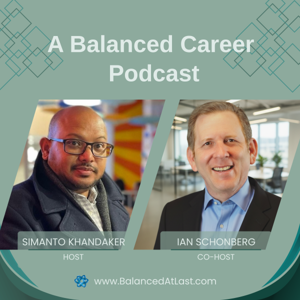
Welcome to A Balanced Career Podcast, the podcast for the modern professional who wants more than just a paycheck. Join hosts Simanto Khandaker, a seasoned career coach with a mental health…