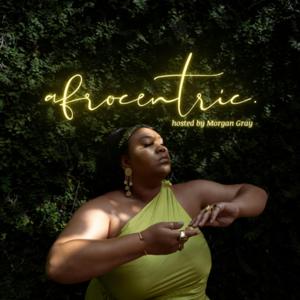
Afrocentric.

Afrocentric.

By Morgan GrayEducationHow To
Download on the App Store

Afrocentric. episodes

  • Freestyle 5: Ain't No Fun When the Rabbit got the Gun

    In this compelling episode of the Afrocentric podcast titled "Freestyle 5: Ain't No Fun When the Rabbit got the Gun" Morgan explores the fascinating concept of the trickster archetype, with a particular focus on its significance in Black culture. While acknowledging the universal presence of trickster figures across various races and religions, the episode delves deep into the unique manifestations and importance of this archetype in African and African American folklore. The discussion covers iconic trickster characters such as Anansi, the cunning West African spider god, High John the Conqueror, who outsmarted slave owners, and Brer Rabbit, known for outwitting stronger animals. These figures are presented as embodiments of resilience, intelligence, and the ability to overcome oppression through wit rather than physical strength. The podcast then shifts to examine historical figures like Nat Turner, portraying him as a complex individual who utilized cunning and charisma to challenge the oppressive system of slavery. Moving to contemporary times, the hosts highlight modern examples of the trickster spirit, including YSL Woody and the intriguing case of Dwight Jackson, who exposed systemic racism by changing his name on a job application. The episode also incorporates literary analysis, drawing insights from scholarly works like "From Trickster to Badman" and Adam Gussow's "Beyond the Crossroads," which explore the evolution of the trickster archetype in African American culture and its connection to the blues tradition. Throughout the episode, the hosts emphasize that the trickster spirit in Black culture represents more than just humor; it's a powerful tool for survival, resistance, and social commentary in the face of oppression, offering valuable insights into Black cultural resilience and creativity.


    1 hr 16 min
  • I’ve Always Been Nice To You People featuring Dr. Shonna Tillman

    In this thought-provoking episode of the Afrocentric Podcast, host Morgan Gray engages in a captivating dialogue with Dr. Shonna Tillman, delving into the nuances of racism and challenging the notion that Black people can perpetuate racist systems and ideologies beyond individual bias and prejudice.

    Drawing from her expertise in reconstructing white supremacy, Dr. Tillman argues that true racism requires institutional power and privilege to enforce discriminatory policies and norms. While acknowledging that Black people can undoubtedly hold prejudiced views towards other races, she contends that racism is a systemic issue rooted in the historical oppression and marginalization of racial groups by those in power.

    Morgan Gray skillfully guides the conversation, inviting Dr. Tillman to explore the complexities of racism in the context of America and other Western nations built on foundations of white dominance. Together, they examine how Black people have traditionally lacked the institutional power necessary to enforce widespread racist structures, despite facing individual prejudices.

    Through insightful analysis and thought-provoking discourse, Dr. Tillman and Morgan Gray invite listeners to critically examine the power dynamics and historical contexts that shape our understanding of racism. They encourage a nuanced approach that acknowledges the unique experiences and challenges faced by marginalized communities while distinguishing between individual prejudices and the systemic perpetuation of racist ideologies.

    1 hr 9 min
  • A Message for the 144,000 featuring Dr. Galen Jones

    This episode of the Afrocentric podcast delves into the complex world of the Hebrew Israelites, exploring their historical roots, modern movement, and impact on the Black community. Dr. Galen Jones, an expert on religion and religious movements, provides insights into this often misunderstood group.

    The episode begins by tracing the origins of the Hebrew Israelite belief system, which claims that certain people of color, particularly African Americans, are the true descendants of the ancient Israelites. Dr. Jones discusses how this ideology emerged in the late 19th and early 20th centuries as a response to racial oppression and a search for identity among Black Americans. The conversation then shifts to the modern Hebrew Israelite movement, examining its organizational structure and various subgroups. Dr. Jones explains how these groups often operate independently but share core beliefs about Black identity and biblical interpretation.

    A significant portion of the episode is dedicated to analyzing media portrayals of Hebrew Israelites. Dr. Jones highlights how sensationalized coverage of more extreme factions has sometimes overshadowed the diverse perspectives within the movement. He emphasizes the importance of understanding the nuanced beliefs and practices of different Hebrew Israelite groups.

    The podcast also explores the movement's message and its resonance within some segments of the Black community. Dr. Jones discusses how Hebrew Israelite teachings often intertwine themes of empowerment, cultural pride, and spiritual identity, appealing to those seeking alternatives to mainstream religious traditions. Throughout the episode, the hosts and Dr. Jones critically examine the movement's impact, both positive and negative. They address controversies surrounding some Hebrew Israelite groups; interpretations of scripture and their views on other races and religions.

    The episode concludes with a reflection on the broader implications of the Hebrew Israelite movement for Black identity and spirituality in America. Dr. Jones offers insights into how this phenomenon fits into the larger landscape of African American religious and cultural expression.

    1 hr 38 min
  • Freestyle 3: Get Your House in Order

    In the latest episode of the Afrocentric podcast, "Freestyle 3: Get Your House in Order," host Morgan Gray tackles several pressing issues affecting the Black community. The episode focuses on three main topics: preparing for life after the election, the potential for political violence post-election, and the complex issues of self-hate among Black people and violence towards Black people in Great Britain. Morgan begins by discussing the importance of being prepared for various scenarios that could unfold after the election. She emphasizes the need for community organization, resource sharing, and having contingency plans in place, regardless of the election outcome. The conversation then shifts to the concerning possibility of political violence in the aftermath of the election. Morgan explores historical precedents and current societal tensions that could contribute to such unrest. She offers insights on how the Black community can protect itself and maintain solidarity during potentially turbulent times.

    A significant portion of the episode is dedicated to addressing the issue of self-hate among Black men. Morgan delves into the root causes of this phenomenon, examining how systemic racism, media portrayals, and internalized oppression contribute to negative self-perception within the Black male community. She discusses strategies for combating these harmful mindsets and promoting self-love and empowerment. Lastly, the podcast touches on the alarming trend of violence towards Black people in Great Britain. Morgan provides context for this issue, drawing parallels between the experiences of Black communities in the UK and the US. She highlights the importance of global Black solidarity and shares resources for supporting anti-racism efforts in Britain.

    Throughout the episode, Morgan maintains her signature approach of combining historical context, personal insights, and practical advice. She encourages listeners to stay informed, engaged, and proactive in addressing these challenges, emphasizing the importance of community strength and individual growth in navigating uncertain times.


    1 hr 47 min
  • Shoutout to the Black Crashouts featuring Chris Mayberry
    In this eye-opening episode, we delve into the complex world of "crashout culture" and its impact on urban communities across the South. Our guest, Chris Mayberry, breaks down the origins and definition of this phenomenon, exploring its prevalence among young people and its connection to violence, particularly in rap and hip-hop scenes
    We examine how social media amplifies crashout behavior and discuss the systemic factors fueling its rise, including poverty and lack of opportunities. We'll dive deep into the disturbing rise in shootings and murders, especially in cities like Jackson, MS and New Orleans, LA. Chris breaks down the real data on who is perpetrating and falling victim to this violence. He exposes the racist myth of "Black-on-Black" crime - how this term is used to demonize entire communities when the reality is much more complex. The episode highlights the devastating effects on individuals, families, and entire neighborhoods, focusing on the cycle of retaliation and violence.
    Chris shares insights from community leaders and former gang members working to interrupt this cycle and provide alternative paths for youth. We analyze the intersection of crashout culture with issues of race, class, and urban development, critically examining media representation and public discourse surrounding the topic.
    The conversation explores evidence-based strategies and interventions showing promise in addressing root causes of crashout behavior. We discuss the crucial role of education, mentorship, and community-based programs in prevention efforts.
    This episode offers a nuanced look at a pressing issue affecting urban communities, providing listeners with a deeper understanding of crashout culture and potential solutions for creating safer, more resilient neighborhoods.
    1 hr 37 min
  • The Hopes and the Dreams of the Slaves featuring Porsha B.
    In this powerful episode of the Afrocentric podcast, we sit down with Porsha B. to explore the experiences of Black first-generation college students and their navigation of predominantly white institutions (PWIs).
    Porsha begins by reflecting on the courageous actions of trailblazers like James Meredith, who integrated Ole Miss in 1962, and Richard Holmes, who peacefully integrated Mississippi State University in 1965. She discusses how their bravery paved the way for future generations of Black students in higher education.
    Drawing from her personal journey as a first-generation college student, Porsha shares the unique challenges and triumphs she faced at both private and public universities. She highlights the importance of support systems and resources that were crucial to her success, while also addressing the gaps that still exist for Black students in these spaces.
    Porsha then delves into the pros and cons of being a first-generation college student, emphasizing the weight of family expectations and the pressure to succeed. She offers valuable advice for future Black students preparing to embark on their college journeys, sharing strategies and mindsets that helped her overcome obstacles.
    The episode concludes with a powerful discussion on the legacy of slavery and its ongoing impact on Black education and advancement. Porsha reflects on how understanding this history has shaped her own educational experience and fueled her determination to succeed, carrying forward the hopes and dreams of her ancestors.
    1 hr 20 min
  • Freestyle 2: When They Go Low..
    "Freestyle 2: When They Go Low" challenges Michelle Obama's famous quote "When they go low, we go high" and explores how the Black community has shifted away from this philosophy. The episode examines instances where non-Black individuals and communities have engaged in disrespectful or harmful behavior, and how Black people have responded with even more forceful reactions.
    The podcast delves into the politics of respectability, resistance, and anti-Blackness, presenting examples of people of color and white individuals "going low" and the Black community responding by "going lower." Key cases discussed include Jasmine Crockett, the Montgomery Brawl, and OJ Simpson in the context of Rodney King.
    This thought-provoking episode aims to spark a conversation about the evolving strategies of resistance within the Black community and the rejection of respectability politics in the face of persistent racism and discrimination.
    2 hr 6 min
  • Victory Abroad, Victory at Home featuring Jason Bailey
    In the latest episode of the Afrocentric podcast, "Victory Abroad, Victory at Home," Morgan and Jason delve into various aspects of the black experience in the United States military and society. They discuss the role of black men in the Civil War, segregation within the military post-emancipation, the impact of black soldiers on their communities post-emancipation, and significant events such as the Memphis Massacre. The episode also covers the Double V Campaign, the Civil Rights Movement, and the challenges of discrimination, rape, and sexual assault faced by black men and women in the military today.
    They explore the reasons why some black Americans, and Americans in general, are reluctant to join the U.S. military.The episode draws on historical events, such as the Double V Campaign during World War II, which aimed for "Victory Abroad, Victory at Home," and the struggles of African Americans to combat segregation and achieve equal treatment in the armed forces and on the home front. The discussion provides a comprehensive look at the complex and multifaceted experiences of black individuals in the military and their broader societal impact.
    Subscribe to our podcast to catch the latest episodes and join the conversation. Your support amplifies the voices and experiences we share.
    1 hr 16 min
  • Freestyle 1: The Crossroads
    This thought-provoking episode Morgan discusses the intricate relationship between Black men and the realm of witchcraft and spirituality, uncovering a rich tapestry of cultural traditions and spiritual practices.
    We begin our journey at the crossroads in Mississippi, where the legend of the Black man at the crossroads intertwines with the mystical world of hoodoo and rootwork. From there, we explore the influential figures of Aaron Harris and Jellyroll Morton, whose music and stories shed light on the vibrant New Orleans voodoo culture.
    Delving deeper into the musical realm, we examine the enigmatic Robert Johnson and his iconic song about the powerful "Mojo" and "High John the Conquer," revealing the profound influence of African spiritual traditions on early blues music.
    Next, we shed light on the fascinating history of the founder of the Church of God in Christ (COGIC), a prominent figure who was also a practitioner of hoodoo, blurring the lines between organized religion and folk magic traditions.
    The episode then takes a darker turn as we explore the intersection of Black men, witchcraft, and gang culture, examining the complex dynamics of power, protection, and survival within urban environments.
    Finally, Moving beyond music, we unravel the connections between Black men and the ancient art of alchemy, drawing parallels with modern-day icons like JAY-Z and their embrace of esoteric symbolism.
    Join us on this captivating journey as we uncover the hidden histories and spiritual legacies that have shaped the experiences of Black men throughout the ages.
    2 hr 20 min
  • A Message from Farmer John featuring John Jones
    In this thought-provoking episode, we sit down with John Jones, a prominent Black farmer, to dispel
    common misunderstandings about agriculture in the African American community. Jones sheds light on the
    often-overlooked global and STEM aspects of modern agriculture, which extend far beyond regional practices.He
    delves into the rich history and deep roots of agriculture and agribusiness, tracing their origins back to ancient
    civilizations in Africa. Jones also addresses the pressing issue of environmental racism, highlighting how
    marginalized communities disproportionately bear the brunt of environmental hazards related to agricultural practices. However, the conversation takes an uplifting turn as Jones explores the vast opportunities available in the agricultural sector, from cutting-edge technologies to sustainable farming methods. He encourages listeners, particularly young Black individuals, to consider pursuing careers in this vital and ever-evolving field.
    Through his wealth of knowledge and personal experiences, Jones aims to inspire a new generation of African American leaders in agriculture, fostering a deeper appreciation for the industry's global impact and its potential to drive positive change.
    1 hr 50 min

About Afrocentric.

From the publisher's feed

Mission: To redefine and expand the understanding of Afrocentrism by illuminating the deeper, often untold histories and lived experiences of the Black Aboriginal peoples of North America—those later labeled as African American. The podcast bridges these truths with the ancestral narratives of Africa, South America, and the Caribbean, fostering a renewed global appreciation for Black heritage, resilience, and cultural continuity.