
Sign up to save your podcasts
Or

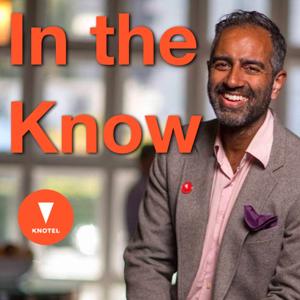

Welcome to my series on OG NY Tech -- celebrating 30 years of NY tech ecosystem, from 1995 to now.
Alan Patricof's been at it since he graduated from Columbia Business School just a couple years apart from Warren Buffett. And you might as well think of him in that same legend league, in Alan's case for Venture Capital. We start from the very early days and go right through today.
Inventing Venture Capital in New York, Then Walking Away (Repeatedly)
00:00 – A living timeline
Setting the frame: Alan Patricof at 91, still working, still curious—why this is less an interview than an oral history of American venture capital.
03:00 – Pounding the pavement (1950s Wall Street)
No recruiters, no security desks: walking every building on Wall Street, floor by floor, asking for a job. How finance careers started before finance careers existed.
05:30 – Learning investing the slow way
Investment counseling, portfolio construction, and why balanced, family-office style investing shaped everything that came later.
07:30 – Development capital before “venture”
Real estate, bridges, electronics, finance companies—proto-venture investing before the word venture capital meant anything.
10:30 – Family offices and private deals
Discovering the overlooked power of private company investing while everyone else focused on public stocks—and why this felt more human.
13:00 – Becoming a board member at 34
New York Magazine, Datascope, Lin Broadcasting: early board roles, founder relationships, and the addictive pull of building instead of trading.
15:30 – What separates great founders
The pivot instinct: knowing when to abandon the original market and redirect a product without abandoning conviction.
18:00 – “You invest in the jockey”
Why founder psychology matters more than ideas, and why you can’t actually diagnose this until you’re already in business together.
20:00 – Starting Patricof & Co.
Nine family offices, a tiny first fund, and the realization that venture could be a service business as much as a capital business.
22:00 – Warburg, Pincus, and the early peers
The handful of firms inventing venture in parallel—and how indistinct the lines were between VC, merchant banking, and private equity.
24:00 – Surviving the 1970s
Why venture almost died: inflation, stagnation, and the need to do M&A work just to keep the lights on.
26:00 – Going international before it was fashionable
London, Paris, New York—building venture infrastructure in Europe when the concept barely translated (literally “capital risk”).
27:30 – The birth of Apax
Unifying global activities under one name and accidentally creating one of the world’s largest private equity platforms.
29:00 – Apple, almost casually
A phone call, a small allocation, a $315k check—and a reminder that early venture often felt mundane in the moment.
31:30 – Why nobody held forever
Ten-year funds, capital recycling, and why paper fortunes usually stayed theoretical.
33:00 – Beating the bushes for deals
Fifteen deals a year, maybe one investment—finding companies meant showing up physically, not scrolling inboxes.
35:00 – Office Depot and firm-building
Delegation, partnership, and why building institutions matters more than personal deal mythology.
37:00 – AOL’s forgotten origin
Online games, modems, bankruptcy, and the pivot from play to communication that reshaped the internet.
40:00 – Doing the messy work
Hands-on restructuring, capital engineering, and why early venture often looked more like salvage than storytelling.
44:00 – Why Apax stopped feeling like venture
Scale, later-stage gravity, and the quiet moment when a firm becomes something else.
46:00 – A detour into global development
World Bank, IFC, Trickle Up, and applying venture logic to poverty, SMEs, and economic development.
48:00 – Founding Greycroft
Writing “no private equity” into the mission, timing the internet perfectly, and building another major platform from scratch.
50:00 – Venmo, Huffington Post, and the Web 2.0 wave
Media, payments, identity, and why New York finally started producing global tech brands.
52:00 – PrimeTime Partners
Aging, longevity, and investing with personal urgency—spotting demographic inevitability before it became fashionable.
54:00 – Why New York couldn’t win earlier
Crime, cost, culture, and why founders simply didn’t want to live here in the 70s and 80s.
56:00 – Media as New York’s wedge
Audible, publishing, advertising, and why content and distribution cracked the door before infrastructure followed.
58:00 – The tipping point
From DoubleClick to Datadog: why everyone now needs a New York presence—and why this time feels durable.
01:00:00 – The rare skill
Not spotting waves once, but having the courage to leave institutions when they stop matching your values—and doing it again.
 View all episodes
 By Amol Sarva

4.5
1414 ratings
Welcome to my series on OG NY Tech -- celebrating 30 years of NY tech ecosystem, from 1995 to now.
Alan Patricof's been at it since he graduated from Columbia Business School just a couple years apart from Warren Buffett. And you might as well think of him in that same legend league, in Alan's case for Venture Capital. We start from the very early days and go right through today.
Inventing Venture Capital in New York, Then Walking Away (Repeatedly)
00:00 – A living timeline
Setting the frame: Alan Patricof at 91, still working, still curious—why this is less an interview than an oral history of American venture capital.
03:00 – Pounding the pavement (1950s Wall Street)
No recruiters, no security desks: walking every building on Wall Street, floor by floor, asking for a job. How finance careers started before finance careers existed.
05:30 – Learning investing the slow way
Investment counseling, portfolio construction, and why balanced, family-office style investing shaped everything that came later.
07:30 – Development capital before “venture”
Real estate, bridges, electronics, finance companies—proto-venture investing before the word venture capital meant anything.
10:30 – Family offices and private deals
Discovering the overlooked power of private company investing while everyone else focused on public stocks—and why this felt more human.
13:00 – Becoming a board member at 34
New York Magazine, Datascope, Lin Broadcasting: early board roles, founder relationships, and the addictive pull of building instead of trading.
15:30 – What separates great founders
The pivot instinct: knowing when to abandon the original market and redirect a product without abandoning conviction.
18:00 – “You invest in the jockey”
Why founder psychology matters more than ideas, and why you can’t actually diagnose this until you’re already in business together.
20:00 – Starting Patricof & Co.
Nine family offices, a tiny first fund, and the realization that venture could be a service business as much as a capital business.
22:00 – Warburg, Pincus, and the early peers
The handful of firms inventing venture in parallel—and how indistinct the lines were between VC, merchant banking, and private equity.
24:00 – Surviving the 1970s
Why venture almost died: inflation, stagnation, and the need to do M&A work just to keep the lights on.
26:00 – Going international before it was fashionable
London, Paris, New York—building venture infrastructure in Europe when the concept barely translated (literally “capital risk”).
27:30 – The birth of Apax
Unifying global activities under one name and accidentally creating one of the world’s largest private equity platforms.
29:00 – Apple, almost casually
A phone call, a small allocation, a $315k check—and a reminder that early venture often felt mundane in the moment.
31:30 – Why nobody held forever
Ten-year funds, capital recycling, and why paper fortunes usually stayed theoretical.
33:00 – Beating the bushes for deals
Fifteen deals a year, maybe one investment—finding companies meant showing up physically, not scrolling inboxes.
35:00 – Office Depot and firm-building
Delegation, partnership, and why building institutions matters more than personal deal mythology.
37:00 – AOL’s forgotten origin
Online games, modems, bankruptcy, and the pivot from play to communication that reshaped the internet.
40:00 – Doing the messy work
Hands-on restructuring, capital engineering, and why early venture often looked more like salvage than storytelling.
44:00 – Why Apax stopped feeling like venture
Scale, later-stage gravity, and the quiet moment when a firm becomes something else.
46:00 – A detour into global development
World Bank, IFC, Trickle Up, and applying venture logic to poverty, SMEs, and economic development.
48:00 – Founding Greycroft
Writing “no private equity” into the mission, timing the internet perfectly, and building another major platform from scratch.
50:00 – Venmo, Huffington Post, and the Web 2.0 wave
Media, payments, identity, and why New York finally started producing global tech brands.
52:00 – PrimeTime Partners
Aging, longevity, and investing with personal urgency—spotting demographic inevitability before it became fashionable.
54:00 – Why New York couldn’t win earlier
Crime, cost, culture, and why founders simply didn’t want to live here in the 70s and 80s.
56:00 – Media as New York’s wedge
Audible, publishing, advertising, and why content and distribution cracked the door before infrastructure followed.
58:00 – The tipping point
From DoubleClick to Datadog: why everyone now needs a New York presence—and why this time feels durable.
01:00:00 – The rare skill
Not spotting waves once, but having the courage to leave institutions when they stop matching your values—and doing it again.
10,178 Listeners
771 Listeners