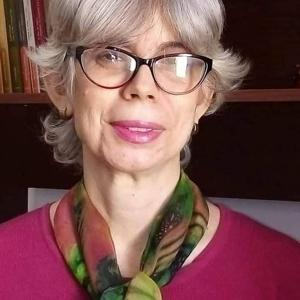
beaescribe 3Speak Podcast

beaescribe 3Speak Podcast

By Beatriz Alicia García Naranjo
Download on the App Store

beaescribe 3Speak Podcast episodes

  • CLUB DE POESÍA summer / verano (English-Spanish)
    https://3speak.tv/watch?v=beaescribe/grntzwtu

    Banner y video diseñado por mí en canva.com Banner and video designed by me on canva.com

    Greetings, poetry lovers on Hive. With the poem I am sharing with you I am participating this week in the Poetry Club of the @freewritehouse community, the proposed theme is ‘Blue Eyes’. The theme led me to think about the sea, but also about those blue-eyed tourists who visit the Caribbean, the region where I live. I hope you like it.

    ![poems.png](https://files.peakd.com/file/peakd-hive/beaescribe/244UoiVHwq67fb5pixKYewX3ucQTvqeJKjR7tyvcerm7fjenHafuAMe1sRMRj1mB6ZhmA.png)

    ## SUMMER

    Open, infinite horizon,
    the sea in its swaying
    envelops us, carries us away.
    The shimmering blue of summer
    takes our skin and gilds it.
    The happy little visitors
    play in the sand or bathe
    on the shore.
    The sea inspires respect,
    and you have to approach it with caution.
    Blue-eyed tourists
    come from far away,
    they also love the sea
    that carried their ancestors
    to new horizons, new beginnings.
    Seemingly eternal, the sea
    has carried and brought
    so many generations on its waves.

    Beatriz Alicia García N.

    ![spanish.png](https://files.peakd.com/file/peakd-hive/beaescribe/23w2B4ZAvjiPrRABT5cPhvXjkiXG5CkdZy4dtEmLJTguEnuSX3vuxpV15xojXgoyKdvqc.png)

    Saludos, amantes de la poesía en Hive. Con el poema que les comparto participo esta semana en el Club de Poesía de la comunidad @freewritehouse , el tema propuesto es “Miradas azules”. El tema me llevó a pensar en el mar, pero también en esos turistas de ojos azules que visitan el Caribe, la región donde vivo. Espero que te guste.

    ![separador colores poema.jpg](https://files.peakd.com/file/peakd-hive/beaescribe/244KR47PA8hYhY1RcQtKnR7PSjjNMtwG3JaJPJN1bATUxTBMLGmTjJpGH3N7Fo1D5TyC9.jpg)

    ## VERANO

    Horizonte abierto, infinito,
    el mar en su vaivén
    nos envuelve, nos lleva.
    El refulgente azul del verano
    toma nuestra piel dorándola.
    Los alegres visitantes pequeños
    juegan en la arena o se bañan
    en la orilla.
    El mar inspira respeto,
    hay que adentrarse en él con cuidado.
    Turistas de miradas azules
    llegan desde lejos,
    aman también el mar
    que llevó a sus ancestros
    hacia nuevos horizontes, nuevos comienzos.
    Parece eterno, el mar,
    ha llevado y traído
    tantas generaciones en sus olas.

    Beatriz Alicia García N.

    Translation to english with Deepl.com

    ![Gracias por leerme collibrí (4).jpg](https://files.peakd.com/file/peakd-hive/beaescribe/48QQtNASF4RsrtUuE86QsPhSTZpUqjZDh7Nj3vsgAMgUocc2WB24jq1jGGYH3axa69.jpg)

    2 min
  • Sap woman / Mujer savia Poetry (English-Spanish)
    https://3speak.tv/watch?v=beaescribe/iwuwndln
    Banner diseñado por mí en canva.com La foto y el video fueron tomados con la cámara de mi teléfono móvil
    Banner designed by me on canva.com photo and video were taken with my mobile phone camera

    Greetings Hive poetry lovers. Soon ends the month of women and I want to share with you a poem of my inspiration that talks about women and nature, the empowerment of women in our days, the upright woman, who trusts in herself and thus also gives her support and light to those around her. I hope you like it.

    ![poems.png](https://files.peakd.com/file/peakd-hive/beaescribe/244UoiVHwq67fb5pixKYewX3ucQTvqeJKjR7tyvcerm7fjenHafuAMe1sRMRj1mB6ZhmA.png)

    ## Sap Woman

    for Eugenio Montejo, the poet of the trees

    Tree
    is feminine
    in Portuguese

    I am root
    that nourishes
    to grow

    Sap Woman
    Woman tree
    through whose veins
    circulates life

    Upright woman
    with a strong trunk
    of branches
    full of leaves
    that caresses the wind

    Upright woman
    with a strong trunk
    laden with fruits
    to feed
    those around me

    Upright woman
    with a strong trunk
    leafy
    to give you shade
    to give you love

    Beatriz Alicia García N.

    ![spanish.png](https://files.peakd.com/file/peakd-hive/beaescribe/23w2B4ZAvjiPrRABT5cPhvXjkiXG5CkdZy4dtEmLJTguEnuSX3vuxpV15xojcALjMsX86.png)

    Saludos amantes de la poesía de Hive. Pronto termina el mes de la mujer y quiero compartirles un poema de mi inspiración que habla sobre la mujer y la naturaleza, el empoderamiento de la mujer en nuestros días, la mujer erguida, que confía en sí misma y que así también da su apoyo y su luz a quienes la rodean. Espero que les guste.

    ![separador colores poema.jpg](https://files.peakd.com/file/peakd-hive/beaescribe/244KR47PA8hYhY1RcQtKnR7PSjjNMtwG3JaJPJN1bATUxTBMLGmTjJpGH3N7Fo1D5TyC9.jpg)

    ## Mujer Savia

    a Eugenio Montejo, el poeta de los árboles

    Árbol
    es femenino
    en portugués

    Soy raíz
    que se nutre
    para crecer

    Mujer savia
    Mujer árbol
    por cuyas venas
    circula la vida

    Mujer erguida
    de tronco fuerte
    de ramas
    llenas de hojas
    que acaricia el viento

    Mujer erguida
    de tronco fuerte
    cargada de frutos
    para alimentar
    a quienes me rodean

    Mujer erguida
    de tronco fuerte
    frondosa
    para darte sombra
    para darte amor

    Beatriz Alicia García N.

    *Translation to english by Deepl.com*

    ![Gracias por leerme multicolor.png](https://files.peakd.com/file/peakd-hive/beaescribe/23ywsPFQiivH7viHh1qecMNWmooAVZz9Tbvkoiew2hJXXU7DHxgF8nutDMfXFd8ifWMdd.png)

    1 min
  • MY LOVE POEMS/I have coveted your hands
    https://3speak.tv/watch?v=beaescribe/fnqtxmyh

    February is the month of love and friendship. Love is the force that moves the world. Nothing moves us as much as love, it fills us with hope and good energy. It connects us with the best of ourselves. Nothing helps us to know ourselves better, love always challenges us to grow.

    That's why I want to share this month with the poetry lovers on our platform, some of the love poems I have written over time. I have written about various topics, but undoubtedly love has been an important theme in my poetry. I will start the posts dedicated to my love poetry with the poem that opens my medieval themed book "Act of Faith". I hope you like it.

    ![poems.png](https://files.peakd.com/file/peakd-hive/beaescribe/244UoiVHwq67fb5pixKYewX3ucQTvqeJKjR7tyvcerm7fjenHafuAMe1sRMRj1mB6ZhmA.png)

    I have coveted
    your hands.
    I have coveted
    your eyes.
    I have coveted
    your mouth.
    I have coveted
    your arms.
    I have coveted
    your tongue
    that likes to play.
    I have coveted your fingers
    that caress wisely.
    I've coveted your sex
    sailing through my darkness.
    I no longer have anything.
    However, I offer you these words,
    I offer you these words,
    only words,
    that perhaps time will devour.
    Beatriz Alicia García N.

    ![spanish.png](https://files.peakd.com/file/peakd-hive/beaescribe/23w2B4ZAvjiPrRABT5cPhvXjkiXG5CkdZy4dtEmLJTguEnuSX3vuxpV15xojcALjMsX86.png)

    Febrero es el mes del amor y de la amistad. El amor es la fuerza que mueve el mundo. Nada nos mueve tanto como el amor, nos llena de esperanza y buenas energías. Nos conecta con lo mejor de nosotros mismos. Nada nos ayuda a conocernos más a nosotros mismos, el amor siempre nos reta a crecer.

    Por eso quiero compartir este mes con los amantes de la poesía de nuestra plataforma, algunos de los poemas de amor que he escrito a través del tiempo. He escrito sobre diversos temas, pero sin duda el amor ha sido un tema importante en mi poesía. Iniciaré los post dedicados a mi poesía amorosa con el poema que abre mi libro de tema medieval “Acto de fe”. Espero que les guste.

    ![separador colores poema.jpg](https://files.peakd.com/file/peakd-hive/beaescribe/244KR47PA8hYhY1RcQtKnR7PSjjNMtwG3JaJPJN1bATUxTBMLGmTjJpGH3N7Fo1D5TyC9.jpg)

    He codiciado
    tus manos.
    He codiciado
    tus ojos.
    He codiciado
    tu boca.
    He codiciado
    tus brazos.
    He codiciado
    tu lengua
    que le gusta jugar.
    He codiciado tus dedos
    que acarician sabiamente.
    He codiciado tu sexo
    navegando por mi oscuridad.
    Ya nada tengo.
    Sin embargo,
    te ofrezco estas palabras,
    sólo palabras,
    que tal vez el tiempo devorará.
    Beatriz Alicia García N.

    ![Gracias por leerme multicolor.png](https://files.peakd.com/file/peakd-hive/beaescribe/23ywsPFQiivH7viHh1qecMNWmooAVZz9Tbvkoiew2hJXXU7DHxgF8nutDMfXFd8ifWMdd.png)

    1 min
  • CLUB DE POESÍA/ Cambios necesarios
    https://3speak.tv/watch?v=beaescribe/eemjlmtz

    Saludos hivers amantes de la poesía. Ya lo dijo Heráclito, el filósofo de la Antigua Grecia: “No nos bañamos dos veces en el mismo río”. En palabras cotidianas, la vida es cambio. Lo contrario sería la muerte. Les comparto mi participación en el Club de lectura de esta semana cuyo tema es precisamente “Cambios necesarios”. Espero que les guste:

    ![separador morado fondo blanco.png](https://files.peakd.com/file/peakd-hive/beaescribe/23w3GeXoW4MxbiF9PxLktELrQRDZLpWSjTC5zsQy27gDdatYLDE6gu65iYnmbKiQ3d9Cv.png)

    ## CAMBIOS NECESARIOS

    Nada se detiene
    lo sabes
    ni el Sol ni la Tierra
    ni las estrellas
    Ningún día
    es igual a otro
    ningún amor
    sigue, no te detengas
    a mirar lo perdido
    que la carreta no se pare
    sigue, no te detengas,
    los cambios necesarios
    abrirán el camino.
    Beatriz Alicia García N.

    Contenido original especialmente escrito para el Club de Poesía de Hive.

    ![english.png](https://files.peakd.com/file/peakd-hive/beaescribe/23tbuGazKYMpbcsFBLVzEAWEDukfSUrfqnoSqUnKnCcmrEXqy9ngWSaZgeJNQPancq6f2.png)

    Greetings poetry-loving hivers. Heraclitus, the Ancient Greek philosopher, said: "We do not bathe twice in the same river". In everyday words, life is change. The opposite would be death. I share with you my participation in this week's Book Club whose theme is precisely "Necessary Changes". I hope you like it.

    ![separador morado fondo blanco.png](https://files.peakd.com/file/peakd-hive/beaescribe/23w3GeXoW4MxbiF9PxLktELrQRDZLpWSjTC5zsQy27gDdatYLDE6gu65iYnmbKiQ3d9Cv.png)

    ## NECESSARY CHANGES

    Nothing stands still
    you know it
    neither the sun nor the earth
    nor the stars
    No day
    is the same as any other
    no love
    go on, don't stop
    to look at what is lost
    don't let the wagon stop
    go on, don't stop,
    the necessary changes
    will open the way.
    Beatriz Alicia García N.

    Original content specially written for the Hive Poetry Club

    ![Gracias por leerme.gif](https://files.peakd.com/file/peakd-hive/beaescribe/23u6WhKHUDDM6aQvrfeWPHuqy4S98MmdnoUVQgGzXnZgfxNj81735q3naiTPLSeKA83nQ.gif)

    1 min
  • Healthy and tasty breakfast without refined flours (English-Spanish)
    https://3speak.tv/watch?v=beaescribe/mhzejqpg

    ![desayuno sano y sabroso sin harinas refinadas.png](https://files.peakd.com/file/peakd-hive/beaescribe/242hcoi6GgjqFzwb98QCpbT7dNkQw1LF66oAbmxfTAbbgK8UoAPQUwr7Q1iEh4vv8vc4q.png)
    Banner diseñado por mí en canva.com [Fuente foto]( https://www.canva.com/photos/MAENwUF4OTQ/ )
    Banner designed by me on canva.com [Photo source]( https://www.canva.com/photos/MAENwUF4OTQ/ )

    ## Healthy and tasty breakfast without refined flours

    One of my goals for better health in 2024 is to start cooking and eating healthier. A nutritionist friend of mine gave me some recommendations, which a gastroenterologist had already given me before, but I didn't pay much attention to him. But this year I am determined to take better care of myself and I have already started some important changes in my diet: I am not drinking coffee or sodas, I have considerably reduced salt and sugar, I am avoiding buying processed foods and I am consuming much more vegetables and fruits and fresh foods.

    Uno de mis objetivos para tener una mejor salud en el 2024 es empezar a cocinar y comer de una manera más saludable. Una amiga nutricionista me dio algunas recomendaciones, que ya antes me las había dado un médico gastroenterólogo, pero no le hice mucho caso. Pero este año estoy decidida a cuidarme más y ya inicié algunos cambios importantes en mi dieta: no estoy tomando café ni gaseosas, bajé considerablemente la sal y el azúcar, estoy evitando comprar alimentos procesados y estoy consumiendo mucho más vegetales y frutas y alimentos frescos.

    As I say in the video I will share with you tasty and healthy recipes. In this first post I share with you very simple and tasty homemade recipes for a breakfast without refined flours: plantain arepa and egg omelet with vegetable dressings.

    Como digo en el video voy a compartir con ustedes recetas sabrosas y saludables. En este primer post les comparto recetas caseras muy sencillas y sabrosas para un desayuno sin harinas refinadas: arepa de plátano y tortilla de huevos con aliños vegetales.

    ![separador morado fondo blanco.png](https://files.peakd.com/file/peakd-hive/beaescribe/23w3GeXoW4MxbiF9PxLktELrQRDZLpWSjTC5zsQy27gDdatYLDE6gu65iYnmbKiQ3d9Cv.png)

    BANANA AREPA

    ![Ingredients.png](https://files.peakd.com/file/peakd-hive/beaescribe/23x1YePPk9T6BdwqEMruHEPshHrxjGoen5UnLJ1EaFPBNp76LeaCoXsUTsQvYkgk3hjDL.png)

    -A banana that is not ripe
    -Salt and paprika to taste
    -Cinnamon
    Cook the plantain chopped in pieces in boiling water until it softens a little, previously remove the shell before boiling it. Then it is pressed until a homogeneous dough is formed, a small amount of the water where it was cooked is added to help soften the dough, salt is added, then grated paprika and a pinch of cinnamon are added, it is kneaded and left to rest. Then shape it into an arepa and cook it in a budare or frying pan previously greased with oil. It is important to wait until the budare or frying pan is hot before pouring a few drops of oil and place the arepa to cook until golden brown and then turn it over to brown on both sides. The plantain you use should be pinto, not too ripe, so that when you make the dough it will be consistent.

    AREPA DE PLATANO

    ![ingredientes.png](https://files.peakd.com/file/peakd-hive/beaescribe/23xAwJkyFueMiqw1wV2gNFRxgn1J1QwSfptwWZGXydQ8cjsG8SqzMgVm3EDZKwFj6yxMd.png)

    -Un plátano que no esté maduro
    -sal y papelón al gusto
    -canela

    Se cocina en agua hirviendo el plátano picado en trozos hasta que se ablande un poco, se le quita previamente la concha antes de ponerlo a hervir. Luego se pisa hasta formar una masa homogénea, se agrega una cantidad pequeña del agua donde se cocinó, para ayudar a ablandar la masa, se agrega sal, luego se agrega papelón rallado y una pizca de canela, se amasa y se deja reposar. Luego se le da la forma de la arepa y se cocina en un budare o sartén previamente engrasado con aceite. Es importante esperar que el budare o la sartén estén calientes antes de echar unas gotas de aceite y colocar la arepa a cocinar hasta que se dore y luego la volteas para que se dore por ambos lados. El plátano que utilices debe ser pintón, no demasiado maduro, para que al hacer la masa quede consistente.

    ![sano y sabroso (11).png](https://files.peakd.com/file/peakd-hive/beaescribe/23xehtRKBKE6X12tei7ykr6j3swr3DPRjrDfjJX5KeuTMfruFyHyBzFJm9eqYFqz34bhb.png)

    ![sano y sabroso (1).png](https://files.peakd.com/file/peakd-hive/beaescribe/23wqnnrkpb4Me2pZJgZKcDuhpC52epaqjR7bxyKE2jFMByqqqGVGs9v8dsQ5XAnRZeVT7.png)

    ![sano y sabroso (2).png](https://files.peakd.com/file/peakd-hive/beaescribe/23wMekVYdsQGTYCxhFBLuXKr6KU1ztifEHxu83rQjZ8CNnEn1HMdmxSQaixozZbxKqYaE.png)

    ![sano y sabroso (3).png](https://files.peakd.com/file/peakd-hive/beaescribe/23xKvR5iLEDX6UvZdmob8XCEizqgdkjdGfJuisnLBU7orgVGBx4A8GrupXnsb8arNeNNA.png)

    OMELET WITH VEGETABLES

    ![Ingredients.png](https://files.peakd.com/file/peakd-hive/beaescribe/23x1YePPk9T6BdwqEMruHEPshHrxjGoen5UnLJ1EaFPBNp76LeaCoXsUTsQvYkgk3hjDL.png)

    -2 eggs per person
    -1 small onion
    -1 sprig of chives
    -small paprika
    -2 sweet peppers
    -grated carrot
    -Salt and oregano to taste

    Beat the eggs well in a bowl, add salt and oregano, add the grated carrot. In a hot frying pan add oil, it is important not only to do it in the center of the pan but also on the sides of the pan so that the omelet does not stick. Fry the seasonings (onion, chives, chili and paprika) briefly, do not wait for them to brown or burn. Add the previously beaten egg. If you like you can add some protein (pieces of ham or sausage) or chopped mushrooms when it is cooking. When it is golden brown, turn it over to cook the other side.

    TORTILLA DE HUEVOS CON VEGETALES

    ![ingredientes.png](https://files.peakd.com/file/peakd-hive/beaescribe/23xAwJkyFueMiqw1wV2gNFRxgn1J1QwSfptwWZGXydQ8cjsG8SqzMgVm3EDZKwFj6yxMd.png)

    -2 huevos por persona
    -1 cebolla pequeña
    -1 rama de cebollín
    -pimentón pequeño
    -2 ajíes dulce
    -zanahoria rallada
    -sal y orégano al gusto

    Batir bien los huevos en un recipiente, agregar la sal y el orégano, agregar la zanahoria rallada. En una sartén caliente agregar aceite, es importante no sólo hacerlo en el centro de la sartén sino también a los lados del sartén para que la tortilla no se pegue. Freír los aliños (la cebolla, el cebollín, el ají y el pimentón) brevemente, no esperar a que se doren o quemen. Agregar el huevo batido previamente. Si es tu gusto puedes agregarle, cuando ya se esté cocinando, alguna proteína (trozos de jamón o salchicha) o champiñones troceados. Cuando ya esté dorado voltear para cocinar el otro lado.

    ![sano y sabroso (4).png](https://files.peakd.com/file/peakd-hive/beaescribe/23xAY3XoE8AGHcFhN5Ms7acigFUtmxTXpqjU9bhDxSZmoYFvL5NtZciyV6U7R27TwEtZa.png)

    ![sano y sabroso (5).png](https://files.peakd.com/file/peakd-hive/beaescribe/23ynUSU3Sc1KA19b6iA9i9HRA1ZHgkJCMtFtk4zLUhyDWnEv453FXWiyzyYJYQG3s4fN5.png)

    ![sano y sabroso (6).png](https://files.peakd.com/file/peakd-hive/beaescribe/23x17EMFY2ohGhcMEJFmgwT5xTkBmR43CE1KatYmytgWgfN97Ma2RdV7pdAJvgQ2bz8ZL.png)
    ![sano y sabroso (7).png](https://files.peakd.com/file/peakd-hive/beaescribe/23wMaevPsqYiM7GFcTws8VKDb6G6j5k2bJ5n8LP9vPHh3YFivDE4HKNtHDwyhUcLn97KW.png)
    ![sano y sabroso (8).png](https://files.peakd.com/file/peakd-hive/beaescribe/23xehwtLb3PByUmG94zdG4v6MQT9SDK4DgsQvDBbS7Jx8PkwMSZtT9yr6TA9d47xE5hDG.png)

    If you drink coffee, accompany it with a cup of coffee, if you do not drink coffee, accompany it with an infusion (chamomile, peppermint, malojillo) or with a fruit juice. Enjoy your meal!

    Si tomas café, acompáñalo de una taza de café, si no tomas café acompáñalo de una infusión (manzanilla, yerbabuena, malojillo) o con un jugo de frutas. ¡Buen provecho!

    ![infusion.jpg](https://files.peakd.com/file/peakd-hive/beaescribe/23xVPA8nv7NfFo5NNG33MtftYZ7erRL2EFXv7Bbpgadb7wKUXbWhKW1sFEQ8oGt6KCfan.jpg)

    ![seaparador morado2.png](https://files.peakd.com/file/peakd-hive/beaescribe/23tc3hUxQVbectSfv8Lu4eEYEsM8Qitga1emYPN3NwXp9MpEmTxHgN986TPLxzpwnJJ2W.png)

    It is possible to eat healthy and tasty food. Try to do it at the same time and calmly, chewing well and enjoying every bite. Don't forget that eating is a pleasure. If you have any questions please leave them in the comments.

    Sí se puede comer sano y sabroso. Procura hacerlo a la misma hora y con tranquilidad, masticando bien y disfrutando cada bocado. No olvides que comer es un placer. Si tienes alguna pregunta por favor déjala en los comentarios.

    Translation to english by deepl.com

    ![Gracias por leer cafecito.png](https://files.peakd.com/file/peakd-hive/beaescribe/23z7UoRXSjKzxqDQcDZasKjMuwUsNmMdrf8sXy4PEjDasYFRpgkygoyhgJvqkNfwzR9zT.png)
    1 min
  • Poetry/ Poesía (English-Spanish)
    https://3speak.tv/watch?v=beaescribe/pajwrxde
    POETRY/ POESÍA (English-Spanish)

    *Greetings poetry lovers, my best wishes for the new year that begins. I share with you a poetic text of my written in which I express what poetry means to me. I hope you like it. *

    ![poems.png](https://files.peakd.com/file/peakd-hive/beaescribe/244UoiVHwq67fb5pixKYewX3ucQTvqeJKjR7tyvcerm7fjenHafuAMe1sRMRj1mB6ZhmA.png)

    POETRY
    Open door
    sound trunk
    that opens and flies
    still in the middle
    of storms
    pests
    and miseries
    Poetry
    you submerge yourself
    in depths
    unfathomable
    dark
    delivering light
    Poetry
    open heart
    breathing
    giving you
    body that beats
    traveling through your veins
    of the human
    along the paths of love
    and dreaming
    Poetry
    breastfed voice
    in the silence
    forged in solitude
    that nevertheless
    you come from multitudes
    that have made you
    and that will make you
    while the soul of the poem
    lives on
    ![spanish.png](https://files.peakd.com/file/peakd-hive/beaescribe/23w2B4ZAvjiPrRABT5cPhvXjkiXG5CkdZy4dtEmLJTguEnuSX3vuxpV15xojcALjMsX86.png)
    *Saludos amantes de la poesía, mis mejores deseos para el nuevo año que comienza. Les comparto texto poético de mi autoría en el que expreso lo que la poesía significa para mí. Espero que les guste.*

    ![separador colores poema.jpg](https://files.peakd.com/file/peakd-hive/beaescribe/244KR47PA8hYhY1RcQtKnR7PSjjNMtwG3JaJPJN1bATUxTBMLGmTjJpGH3N7Fo1D5TyC9.jpg)

    POESÍA
    Puerta abierta
    baúl sonoro
    que se abre y vuela
    aún en medio
    de tempestades
    pestes
    y miserias
    Poesía
    te sumerges
    en profundidades
    insondables
    oscuras
    entregando luz
    Poesía
    corazón abierto
    que respiras
    entregándote
    cuerpo que late
    viajando por las venas
    de lo humano
    por los caminos del amor
    y del sueño
    Poesía
    voz amamantada
    en el silencio
    fraguada en la soledad
    que sin embargo
    vienes de multitudes
    que te han hecho
    y que te harán
    mientras el alma del poema
    perviva
    Beatriz Alicia García N,

    ![Gracias por leerme multicolor.png](https://files.peakd.com/file/peakd-hive/beaescribe/23ywsPFQiivH7viHh1qecMNWmooAVZz9Tbvkoiew2hJXXU7DHxgF8nutDMfXFd8ifWMdd.png)

    2 min
  • Iniciativa "Ilustra con palabras N° 4"/ YŪGATA (Noche) poema (spanish-english)
    https://3speak.tv/watch?v=beaescribe/xixuynubgf

    https://images.ecency.com/DQmZoZFym2EZjUDaqAiz5VEGE1PW8QKa4MiQWx6LDv18kCr/iniciativa_s_lo_escribe.jpg
    Ilustración para la iniciativa de @richjr inspirada videojuego, "Sarabande of Healing"

    *Illustration for @richjr's video game inspired initiative, "Sarabande of Healing".*

    [![](https://ipfs-3speak.b-cdn.net/ipfs/https://ipfs-3speak.b-cdn.net/ipfs/bafkreic3bnsxobtm2va6j3i6v44gc2p2wazi4iuiqqci23tdt7eba5ad5e)](https://3speak.tv/watch?v=beaescribe/xixuynubgf)

    Saludos estimados Hivers, con el poema que les comparto estoy participando en la iniciativa convocada por @yenmendt "Ilustra con palabras N° 4" , gracias a @germanandradeg por invitarme a participar. Espero que les guste mi texto, el cual también les comparto en video.

    *Greetings dear Hivers, with the poem I am sharing with you I am participating in the initiative called by @yenmendt "Illustrate with words N° 4". thanks to @germanandradeg for inviting me to participate. I hope you like my text, which I also share with you in video.*

    Invito a las amigas @gislanpoetic @nanixxx y @astrea a participar
    https://peakd.com/hive-164241/@yenmendt/ilustra-con-palabras-contest-no

    I invite my friends @gislanpoetic @nanixxx and @astrea to participate
    https://peakd.com/hive-164241/@yenmendt/ilustra-con-palabras-contest-no

    https://images.ecency.com/DQmPga4vMg8W8m7QcQg6mri6froSm6PW7dRFbctrnH2Qdyj/separador_morado_fondo_blanco.png

    YŪGATA
    (Noche)
    Su madre la llamó
    Yūgata (noche)
    porque nació en medio
    de una tormenta
    a altas horas de la noche,
    marcando así su destino.
    Yūgata
    fue una niña triste
    que buscaba la oscuridad.
    Lloraba sin saber por qué,
    su nombre la perseguía.
    Yūgata
    fue una joven triste
    que buscaba la oscuridad.
    Hablaba poco,
    no salía a divertirse,
    no se quería a sí misma.
    Pero un día
    vio a Takeshi en el parque,
    un joven ciego
    que sonreía,
    del que quedó prendada.
    Una mañana se acercó a él
    venciendo su timidez
    y conversaron largamente.
    Fue el inicio
    de un profundo amor,
    sus soledades y sus noches
    se encontraron.
    Ella lo guió en la oscuridad,
    le mostró el mundo
    que él no podía ver.
    Él le mostró la luz
    que había en el corazón de ella,
    con su amor.
    Sus soledades y sus noches
    se encontraron
    venciendo el destino
    que los había entregado a la oscuridad.
    Beatriz Alicia García N.

    https://images.ecency.com/DQmcDxzRbG6pBupVaPByQzbZ4fvfFqSCwxyp5DGeGs68HwG/separador_colores.png

    YŪGATA
    (Night)
    Her mother called her
    Yūgata (night)
    because she was born in the middle
    of a storm
    late at night,
    thus marking her destiny.
    Yūgata
    was a sad child
    who sought the darkness.
    She cried without knowing why,
    her name haunted her.
    Yūgata
    was a sad young girl
    who sought the darkness.
    She spoke little,
    did not go out to have fun,
    she didn't love herself.
    But one day
    she saw Takeshi in the park,
    a young blind man
    who was smiling,
    and she fell in love with him.
    One morning she approached him
    overcoming her shyness
    and they talked for a long time.
    It was the beginning
    of a deep love,
    their loneliness and their nights
    met.
    She guided him in the darkness,
    showed him the world
    he could not see.
    He showed him the light
    that was in her heart,
    with her love.
    Their loneliness and their nights
    met
    overcoming the destiny
    that had delivered them to the darkness.
    Beatriz Alicia García N.

    https://images.ecency.com/DQmYtwVqsGxVQjujTpwRJWMM8EVKS6grVd59LYnxh6svG33/gracias_por_leerme_flor.png
    1 min
  • TALLER DE CUENTO ¿Quién cuenta la historia? El narrador
    https://3speak.tv/watch?v=beaescribe/zcmwmbti
    ![TALLER DE CUENTO .png](https://files.peakd.com/file/peakd-hive/beaescribe/23zm9pF452mQ7EnQjz6xCLPsLakMG3oFXCCNcbmypMRxuTJbrFeaQvge5yA1qPFJNe5eC.png) Banner diseñado por mí en canva.com La imagen fue tomada con la cámara de mi teléfono móvil
    Banner designed by me on canva.com Image was taken with my mobile phone camera

    Cuando escribimos un texto narrativo de ficción solemos pensar en los elementos de la historia: los personajes, los acontecimientos, el lugar donde se desarrolla la historia, pero es muy importante que no olvidemos los elementos expresivos de nuestra historia. Podemos imaginar una buena historia, pero si no dominamos una forma adecuada de contar la trama cuando la escribimos, esa historia fantástica no llegará al lector.

    En los posts anteriores del Taller de Cuentos hablé de los elementos fundamentales de la historia ya mencionados (los personajes, los lugares) y de las secuencias narrativas (narración, diálogo, descripción). En este nuevo vídeo hablo del narrador, de los distintos tipos de narradores. Leo varias historias para ejemplificar los tipos de narrador. Quien cuenta la historia crea una perspectiva particular sobre los hechos narrados y determina el grado de objetividad o subjetividad de la historia.

    Es una creación ficticia que se expresa en el relato. Una especie de alter ego del autor concreto, es su representación en el texto. Existe una cierta conexión entre ambos en la medida en que la función del narrador va más allá del enunciado, no sólo narra acontecimientos, sino que también expone apreciaciones, reflexiones, articulaciones ideológicas. Sin embargo, no debemos confundir al narrador con el autor, el autor no existe como tal dentro del texto, Shakespeare, Cervantes, Cortázar están muertos, lo que sobrevive en sus textos es el narrador, la voz narrativa, a través de la cual fueron representados en sus obras.

    ## *Tipos de narrador*
    ### narrador protagonista
    También conocido como narrador en primera persona. Este narrador cuenta sus propias experiencias. Se acerca más al público al que se dirige, ya que hay un mayor grado de subjetividad. El narrador controla el foco de atención. Es el protagonista, pero también el responsable de la narración.

    ### narrador testigo
    Aunque también narra en primera persona y forma parte de la trama, no es el protagonista de la historia. Suele tener un vínculo con el protagonista, se identifica con él o puede ser su enemigo. Por lo tanto, también existe una perspectiva subjetiva de la historia.

    ### narrador omnisciente
    También se le conoce como narrador en tercera persona. En principio, es el narrador con mayor distancia, mayor objetividad, en el sentido de que no forma parte de la historia, pero conoce todo lo sucedido. Sin embargo, dentro de la narración en tercera persona, también puede haber cierto grado de subjetividad si el narrador toma partido por el protagonista o los personajes de forma explícita.

    ### narrador polifónico
    Como expresó Bajtín en su obra "Problemas de la poética de Dostoievski", en un texto narrativo puede haber varios narradores, en ese caso, tenemos diferentes perspectivas de la misma historia. O puede que la narración comience en primera persona y luego el narrador vaya al pasado para contar una historia y cambie a un narrador testigo o a un narrador en tercera persona.

    *Querido lector, espero que esta información te haya sido útil. Y tú, ¿qué tipo de narrador utilizas? ¿te animas a probar otro tipo de narrador de los que te hablé en el vídeo? Si lo haces, déjame un enlace en los comentarios para leerte.*

    Les comparto links de los post previos del taller de cuento para que puedan consultarlos quienes tengan interés:
    https://peakd.com/hive-164241/@beaescribe/uqdgkmwa La descripción
    https://peakd.com/hive-145796/@beaescribe/zmlicxlh Secuencias narrativas: el diálogo
    https://peakd.com/hive-145796/@beaescribe/rfknkuaf Los personajes y sus roles
    https://peakd.com/hive-179291/@beaescribe/xdqivyjr Presentación del taller de cuento

    **Bibliografía consultada**
    Bal, M. Teoría de la narrativa. Madrid: Cátedra, 1998.
    Calsamiglia, B. y Tusón A. Las cosas del decir. Barcelona: Ariel, 1999.
    Díaz Mindurry, Liliana y Laura Massolo. Armar un cuento. Buenos Aires: Ediciones Ruinas Circulares, 2009.
    Márquez Rodríguez, A. La comunicación impresa. Teoría y práctica del lenguaje periodístico. Caracas: Ed. Síntesis, 1976.

    Parada, J.M. Caminos del cuento o contar de súbito. Barquisimeto: Escuela Literaria del Sur, 2010.

    ![SEPARADOR PLANIFICACIÓN !.png](https://files.peakd.com/file/peakd-hive/beaescribe/244ovTE1Yr6VB94ZADo4mmdiPZwsmhNd2uLnMPcV9ouPP96t1sxAm7PdQW1HUuYc3SkxA.png)

    ENGLISH VERSION

    When we write a narrative fiction text we usually think about the elements of the story: the characters, the events, the place where the story takes place, but it is very important that we do not forget the expressive elements of our story. We can imagine a good story, but if we do not master a proper way of telling the plot when we write it, that fantastic story will not reach the reader.

    In the previous posts of the Story Workshop I talked about the fundamental elements of the story already mentioned (the characters, the places) and the narrative sequences (narration, dialogue, description). In this new video I discuss the narrator, the different types of narrators. I read several stories to exemplify the types of narrator. Who tells the story creates a particular perspective on the events narrated and determines the degree of objectivity or subjectivity of the story.

    ![blancoynegro.png](https://files.peakd.com/file/peakd-hive/beaescribe/23vsqueDeqMiXPMy19iWN6mH3SxmnfhavaLFeZiptP54FLq86pSU9amnAZoHRV7XFnXpn.png)
    ## *Who is the narrator?*

    It is a fictitious creation that expresses itself in the story. A sort of alter ego of the concrete author, he is his representation in the text. There is a certain connection between the two insofar as the narrator's function goes beyond the statement, he/she not only narrates events, but also puts forward appreciations, reflections, ideological articulations. However, we must not confuse the narrator with the author, the author does not exist as such within the text, Shakespeare, Cervantes, Cortázar are dead, what survives in their texts is the narrator, the narrative voice, through which they were represented in their works.

    ## *Narrator Types*

    ### protagonist narrator
    Also known as the first-person narrator. This narrator recounts his own experiences. The author is closer to his intended audience, as there is a greater degree of subjectivity. Narrator controls the focus of attention. He is the protagonist but is also responsible for the narrative.

    ### witness narrator
    Although he also narrates in the first person and is part of the plot, he is not the protagonist of the story. He usually has a bond with the protagonist, identifies with him, or he may be his enemy. Therefore, there is also a subjective perspective of the story.

    ### omniscient narrator
    It is also known as third person narrator. In principle, it is the narrator with greater distance, greater objectivity, in that he is not part of the story, but knows everything that happened. However, within the third-person narration, there can also be a certain degree of subjectivity if the narrator takes sides with the protagonist or characters explicitly.

    ### polyphonic narrator
    As Bakhtin expressed in his work "Problems of Dostoyevsky's Poetics", in a narrative text there can be several narrators, in that case, we have different perspectives of the same story. Or the narrative may begin in the first person and then the narrator goes into the past to tell a story and changes to a witness narrator or third person narrator.

    *Dear reader, I hope this information has been useful to you. And you, what type of narrator do you use? do you dare to try another type of narrator that I told you about in the video? If you do, leave me a link in the comments to read it.*

    I am sharing links to the previous posts of the storytelling workshop for those who are interested:

    https://peakd.com/hive-164241/@beaescribe/uqdgkmwa La descripción
    https://peakd.com/hive-145796/@beaescribe/zmlicxlh Secuencias narrativas: el diálogo
    https://peakd.com/hive-145796/@beaescribe/rfknkuaf Los personajes y sus roles
    https://peakd.com/hive-179291/@beaescribe/xdqivyjr Presentación del taller de cuento
    **bibliography consulted**
    Bal, M. Teoría de la narrativa. Madrid: Cátedra, 1998.
    Calsamiglia, B. y Tusón A. Las cosas del decir. Barcelona: Ariel, 1999.
    Díaz Mindurry, Liliana y Laura Massolo. Armar un cuento. Buenos Aires: Ediciones Ruinas Circulares, 2009.
    Márquez Rodríguez, A. La comunicación impresa. Teoría y práctica del lenguaje periodístico. Caracas: Ed. Síntesis, 1976.
    Parada, J.M. Caminos del cuento o contar de súbito. Barquisimeto: Escuela Literaria del Sur, 2010.

    Translation to english by DeepL.com

    ![¿Estás postergando o procrastinando.png](https://files.peakd.com/file/peakd-hive/beaescribe/23xKtj9i283msjt4L4vwEPavF7JvG75J4JraPPfKVxedLxV4XfWD2x8DBeYXQQmmaYJkm.png)
    16 min
  • Taller de cuento La descripción / Story workshop The description (Spanish-English)
    https://3speak.tv/watch?v=beaescribe/uqdgkmwa

    Banner diseñado por mí en canva.com foto de mi álbum personal
    Banner designed by me on canva.com Photo from my personal album

    Este post da continuidad al taller de cuento, esta semana les hablaré de otra secuencia narrativa que podemos utilizar para hacer más convincente la historia que escribimos: la descripción. Probablemente ya la utilizas, pero en este post te ayudaré a ampliar el uso de la descripción, te comentaré los diferentes tipos de descripción que puedes utilizar.

    **¿Qué es la descripción?**

    Alexis Márquez Rodríguez define la descripción en La comunicación impresa como “dibujar o representar una cosa, de modo que de cabal idea de ella”, “representar personas o cosas por medio del lenguaje”. Dentro de un texto narrativo la descripción ayuda al lector en su proceso de imaginar quiénes son los personajes, cómo son, a qué ambiente pertenecen, en qué contexto se encuentran cuando ocurren los acontecimientos narrados.

    Para escribir una descripción generalmente acudimos a nuestra memoria, a nuestras propias percepciones, pero igualmente podemos acudir a fotografías, y otras formas documentales como películas, o a descripciones de otras personas. No podemos olvidar que toda escritura de ficción crea su propio universo, lo importante es que cualquier descripción que hacemos en un texto narrativo debe ser coherente con la historia narrada y al universo social, cultural e incluso de época, al cual pertenecen los personajes. En un texto narrativo la descripción no es algo decorativo, da vida a los personajes y a su historia.

    **Tipos de descripción**

    *Según el objeto descrito:*

    Personas:
    rasgos físicos (rasgos observables, edad, color de la piel, contextura, vestuario, accesorios, postura del cuerpo)
    rasgos psíquicos (personalidad, carácter, actitudes ante determinadas circunstancias, estados de ánimo, sus modales, su manera de hablar.)
    rasgos sociales (cómo se relaciona con otras personas cuando está en grupo, una turba enardecida, los fanáticos de un artista, un grupo deportivo, los seguidores de un político.)

    Es importante señalar que la descripción de una persona puede hacerse de manera directa, describiendo sus rasgos, pero así también puede hacerse de manera indirecta, describiendo sus acciones, por ejemplo, o a través de un diálogo, es decir, una conversación.

    Grupos humanos: comportamientos de un determinado grupo en una situación particular.

    Animales: rasgos físicos y de comportamiento que tienen importancia en la trama.

    Descripción de objetos inanimados (aspecto físico, uso o valor). Se describen de acuerdo a su función dentro del relato, por ejemplo, un arma homicida en un relato de crimen, un objeto lujoso que se regala o se roba, unas flores que se obsequian).

    Descripción de lugares y paisajes: rasgos físicos y percepción del personaje según la trama. Si es abierto o cerrado, conocido o desconocido, tranquilo o peligroso

    *Según los detalles que le damos a lo descrito podemos hacer dos tipos de descripción: *

    Exhaustiva: Se incluyen la mayor cantidad posible de datos, para que el lector tenga una imagen lo más clara posible del personaje, el objeto, el lugar.

    Abocetada: Sólo se describen algunos rasgos esenciales.

    *Según se desea expresar cambios o no, la descripción puede ser:*

    Estática: Si quien describe y lo descrito permanecen en el mismo lugar o no sufren variaciones.

    Dinámica: Si quien describe se mueve y lo descrito permanece en el mismo lugar, es decir, el personaje o narrador se acerca o aleja de lo descrito (un personaje, un lugar), en ese caso la percepción puede cambiar. O si ambos, quien describe y lo descrito están en movimiento, por ejemplo, un paisaje o una persona vistos desde un carro o un tren en movimiento. Así también, una descripción dinámica puede expresar el cambio de lo descrito con el paso del tiempo, una casa en ruinas que tuvo en otro tiempo esplendor, un personaje que era niño y ha crecido o que ha envejecido.

    Lo más importante de una descripción que se utilice al escribir un relato es que sea necesario, que nos ayude a mostrar los personajes y su ambiente, o si se trata de animales, elementos de la naturaleza, objetos, tengan una función dentro de la historia. No se describe un reloj, a menos que el tiempo tenga importancia en la trama o sea un objeto de valor que podamos vincular con los personajes. ¿De acuerdo? Espero que la información que he compartido te sea útil. Gracias por tu lectura.

    Les comparto links de los post previos del taller de cuento para que puedan consultarlos quienes tengan interés:

    https://peakd.com/hive-145796/@beaescribe/zmlicxlh Secuencias narrativas: el diálogo
    https://peakd.com/hive-145796/@beaescribe/rfknkuaf Los personajes y sus roles
    https://peakd.com/hive-179291/@beaescribe/xdqivyjr Presentación del taller de cuento

    **Bibliografía consultada**
    Bal, M. Teoría de la narrativa. Madrid: Cátedra, 1998.
    Calsamiglia, B. y Tusón A. Las cosas del decir. Barcelona: Ariel, 1999.
    Márquez Rodríguez, A. La comunicación impresa. Teoría y práctica del lenguaje periodístico. Caracas: Ed. Síntesis, 1976.

    ![SEPARADOR PLANIFICACIÓN !.png](https://files.peakd.com/file/peakd-hive/beaescribe/244ovTE1Yr6VB94ZADo4mmdiPZwsmhNd2uLnMPcV9ouPP96t1sxAm7PdQW1HUuYc3SkxA.png)

    *English version*

    This post gives continuity to the story workshop, this week I will talk about another narrative sequence that we can use to make the story we write more convincing: the description. You probably already use it, but in this post I will help you to expand the use of description, I will tell you about the different types of description you can use.

    Alexis Márquez Rodríguez defines description in “Printed communication as "to draw or represent a thing, so as to give a full idea of it", "to represent people or things by means of language". Within a narrative text, description helps the reader in the process of imagining who the characters are, what they are like, what environment they belong to, in what context they are in when the narrated events occur.

    To write a description we generally turn to our memory, to our own perceptions, but we can also turn to photographs, and other documentary forms such as films, or to other people's descriptions. We cannot forget that all fiction writing creates its own universe, the important thing is that any description we make in a narrative text must be coherent with the narrated story and the social, cultural and even epochal universe to which the characters belong. In a narrative text, description is not something decorative, it gives life to the characters and their story.

    **Description types**

    *According to the object described:*

    Persons:
    physical traits (observable features, age, skin color, build, clothing, accessories, body posture).

    psychic traits (personality, character, attitudes to certain circumstances, moods, manners).

    social traits (how you relate to other people when you are in a group, an angry mob, fans of an artist, fans of a sports group, supporters of a politician).

    It is important to note that the description of a person can be done directly, by describing his or her features, but it can also be done indirectly, by describing his or her actions, for example, or through a dialogue, i.e., a conversation.

    Human groups: behaviors of a given group in a particular situation.

    Animals: physical and behavioral traits that have importance in the plot.

    Description of inanimate objects (physical appearance, use or value). They are described according to their function within the story, e.g., a murder weapon in a crime story, a luxurious object that is given or stolen, flowers that are given as a gift).

    Description of places and landscapes: physical features and perception of the character according to the plot. Whether it is open or closed, known or unknown, quiet or dangerous.

    * Depending on the details we give to what we describe, we can make two types of description:*

    Exhaustive: As much information as possible is included, so that the reader has as clear a picture as possible of the character, the object, the place.

    Sketchy: Only a few essential features are described.

    * Depending on whether you want to express changes or not, the description can be: *

    Static: If the person describing and what is described remain in the same place or do not undergo variations.

    Sketchy: Only a few essential features are described.

    Dynamics: If the describer moves and the described remains in the same place, that is, the character or narrator moves closer to or further away from the described (a character, a place), in that case the perception may change. Or if both the one describing and the thing described are in motion, for example, a landscape or a person seen from a moving car or train. Likewise, a dynamic description can express the change of what is described with the passage of time, a house in ruins that was once splendorous, a character who was a child and has grown up or who has aged.

    The most important thing about a description to use when writing a story is that it is necessary, that it helps us to show the characters and their environment, or if it is about animals, elements of nature, objects, they have a function within the story. Do not describe a clock, unless the time has importance in the plot or is an object of value that we can link with the characters. Okay? I hope the information I've shared is helpful to you. Thank you for reading.


    I am sharing links to the previous posts of the storytelling workshop for those who are interested:

    https://peakd.com/hive-145796/@beaescribe/zmlicxlh Secuencias narrativas: el diálogo
    https://peakd.com/hive-145796/@beaescribe/rfknkuaf Los personajes y sus roles
    https://peakd.com/hive-179291/@beaescribe/xdqivyjr Presentación del taller de cuento

    **Bibliography consulted**
    Bal, M. Teoría de la narrativa. Madrid: Cátedra, 1998.
    Calsamiglia, B. y Tusón A. Las cosas del decir. Barcelona: Ariel, 1999.
    Márquez Rodríguez, A. La comunicación impresa. Teoría y práctica del lenguaje periodístico. Caracas: Ed. Síntesis, 1976.

    Translation to english with Deepl.com
    ![¿Estás postergando o procrastinando.png](https://files.peakd.com/file/peakd-hive/beaescribe/23xKtj9i283msjt4L4vwEPavF7JvG75J4JraPPfKVxedLxV4XfWD2x8DBeYXQQmmaYJkm.png)
    15 min
  • TALLER DE CUENTO SECUENCIAS NARRATIVAS: El diálogo
    https://3speak.tv/watch?v=beaescribe/zmlicxlh

    Video grabado en canva.com La foto fue tomada con la cámara de mi teléfono móvil
    Video made by me on canva.com The photo was taken with my mobile phone camera

    Saludos, amigos lectores, hoy en el taller de cuento, les voy a hablar sobre las secuencias narrativas. Y especialmente sobre el diálogo. Comenzaré por explicarles qué son las secuencias narrativas.

    ## **¿Qué son las secuencias narrativas?**

    Cuando escribimos un texto narrativo, además de contar una secuencia de acciones que realizan los personajes que protagonizan la historia, utilizamos varias formas discursivas, las cuales tienen la función principal de dar verosimilitud a nuestro relato. En el video que les comparto hoy explico cuáles son esas formas discursivas: el diálogo, la descripción, y la argumentación. Quizá al escribir un cuento los has utilizado, pero no sabes por qué se usan, que cada una de estas formas discursivas pueden incorporarse de distintas maneras al escribir una historia.

    ### *El diálogo*

    En este primer post dedicado a las secuencias narrativas me voy a referir al DIÁLOGO: “El diálogo es la forma básica de la comunicación humana”, nos dicen Calsamiglia y Tusón en “Las cosas del decir”, mientras que el profesor Alexis Márquez Rodríguez en “La comunicación impresa”, especifica la finalidad del diálogo: “Conversación entre dos o más personas que alternativamente manifiestan sus ideas o afectos”. Pero, ¿cuál es la función del diálogo cuando lo encontramos en un texto narrativo, un cuento o una novela?

    El diálogo en un texto narrativo no está allí por azar, cumple una función dentro de la secuencia de acciones que nos presenta el escritor. Un diálogo dentro de un texto narrativo cumple la función de darnos una información, sobre los personajes y sus motivaciones, los personajes y su contexto espacial o social, los personajes y sus pensamientos o sentimientos frente a determinada situación. E incluso con frecuencia un diálogo puede presentarse para revelar una verdad oculta, que cambia el curso de la historia de los personajes.

    ### *Elementos del diálogo*
    ¿Sabes cuáles son los elementos básicos del diálogo narrativo?

    1.-Los interlocutores. (¿quién o quiénes hablan?)
    2.-El tema de conversación. (¿de qué hablan los personajes?)
    3.-Lugar en el que se lleva a cabo el diálogo. (¿dónde se dice?)
    4.-Cuándo se dice. (¿en qué momento se dice?)
    5.-Causa o motivo que provoca el diálogo. (¿por qué se dice?)
    6.-El propósito o intención que se persigue con lo que se dice. (¿para qué se dice?)

    ### *Tipos de diálogo según su contenido*

    Narrativo: Uno o varios de los interlocutores narran un suceso en la conversación.
    Descriptivo: Se describe una persona, lugar u objeto en la conversación.
    Conceptual: Nos muestra a través de la conversación el pensamiento, las opiniones, las ideas de los interlocutores.
    Mixto: Reúne dos o más de los anteriores.
    ### *Diálogo explícito y diálogo implícito*
    Hay dos formas de presentar un diálogo en un texto narrativo:
    Diálogo explícito: Se presenta directamente lo dicho por los personajes.
    Diálogo implícito: No hay una transcripción directa de lo dicho por los personajes. El narrador expresa lo que dijo el personaje, pero el personaje no lo dice directamente.
    En el primer caso la acción transcurre en el presente, mientras que en el diálogo implícito se narra algo ocurrido en el pasado.

    En los textos narrativos para ser representados el diálogo es la secuencia narrativa fundamental: teatro, guiones para televisión, cine y radio.

    #### **Bibliografía consultada**

    Bal, M. Teoría de la narrativa. Madrid: Cátedra, 1998.
    Calsamiglia, B. y Tusón A. Las cosas del decir. Barcelona: Ariel, 1999.
    Márquez Rodríguez, A. La comunicación impresa. Teoría y práctica del lenguaje periodístico. Caracas: Ed. Síntesis, 1976.

    *English version*
    STORYTELLING WORKSHOP NARRATIVE SEQUENCES: DIALOGUE

    Greetings, my reader friends, today in the short story workshop, I am going to talk to you about narrative sequences. And especially about dialogue. I will begin by explaining what narrative sequences are.

    ## What are narrative sequences?
    When we write a narrative text, in addition to telling a sequence of actions performed by the characters in the story, we use several discursive forms, which have the main function of giving verisimilitude to our story. In the video I share with you today, I explain what these discursive forms are: dialogue, description, and argumentation. Maybe when writing a story you have used them, but you don't know why they are used, that each of these discursive forms can be incorporated in different ways when writing a story.

    ### *Dialogue*
    In this first post dedicated to narrative sequences I am going to refer to DIALOGUE: "Dialogue is the basic form of human communication", say Calsamiglia and Tusón in "Las cosas del decir", while Professor Alexis Márquez Rodríguez in "La comunicación impresa", specifies the purpose of dialogue: "Conversation between two or more persons who alternatively express their ideas or affections". But what is the function of dialogue when we find it in a narrative text, a story or a novel?

    Dialogue in a narrative text is not there by chance, it fulfills a function within the sequence of actions presented by the writer. A dialogue in a narrative text fulfills the function of giving us information about the characters and their motivations, the characters and their spatial or social context, the characters and their thoughts or feelings in a given situation. And often a dialogue can even be presented to reveal a hidden truth, which changes the course of the characters' story.

    ### *Elements of the dialogue*
    Do you know what are the basic elements of narrative dialogue?
    1.-The interlocutors (who is speaking)?
    2.-The topic of conversation (what are the characters talking about?)
    The place where the dialogue takes place (where is it said?).
    4.-When it is said (when is it said?)
    Cause or motive that provokes the dialogue (why is it said?).
    6.-The purpose or intention behind what is said (why is it being said?)

    ### *Types of dialogues according to their content*

    Narrative: One or more speakers narrate an event in the conversation.
    Descriptive: A person, place or object is described in the conversation.
    Conceptual: It shows us through the conversation the thoughts, opinions and ideas of the interlocutors.
    Mixed: It combines two or more of the above.

    ### *Explicit dialogue and implicit dialogue*
    There are two ways of presenting dialogue in a narrative text:
    Explicit dialogue: what is said by the characters is presented directly.
    Implicit dialogue: There is no direct transcription of what is said by the characters. The narrator expresses what the character said, but the character does not say it directly.
    In the first case the action takes place in the present, while in implied dialogue something that happened in the past is narrated.

    In narrative texts to be performed, dialogue is the fundamental narrative sequence: theater, television, film and radio scripts.
    #### **Bibliography consulted**
    Bal, M. Teoría de la narrativa. Madrid: Cátedra, 1998.
    Calsamiglia, B. y Tusón A. Las cosas del decir. Barcelona: Ariel, 1999.
    Márquez Rodríguez, A. La comunicación impresa. Teoría y práctica del lenguaje periodístico. Caracas: Ed. Síntesis, 1976.

    Translation to english with Deepl.com

    ![Gracias por leerme.gif](https://files.peakd.com/file/peakd-hive/beaescribe/23u6WhKHUDDM6aQvrfeWPHuqy4S98MmdnoUVQgGzXnZgfxNj81735q3naiTPLSeKA83nQ.gif)
    9 min

About beaescribe 3Speak Podcast

From the publisher's feed

Listen and watch the latest videos from beaescribe. Hosted by 3Speak.tv, the free speech video platform.