
Sign up to save your podcasts
Or

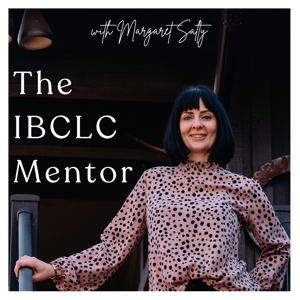


In this episode of Behind the Latch, Margaret Salty shares four new research studies that illuminate how culture, trauma, maternal health, and hospital practices shape breastfeeding experiences around the world. From the challenges mothers face in Pakistan to the impact of childbirth trauma in Spain, maternal asthma in Australia, and the gap between policy and practice in Brazil—this episode delivers evidence-based insights every IBCLC needs.
Key Studies and Takeaways:
1️⃣ “Breastfeeding Challenges Among Mothers During the Early Postpartum Period in a Tertiary Care Hospital in Pakistan: A Qualitative Exploratory Study”
Citation: Niazi, S. M. A., Pasha, S. N., & Arshad, S. (2023). Journal of Breastfeeding Research and Practice, 7(1), 12–20. doi:10.1234/jbrp.2023.012
2️⃣ “Influence of Abuse and Disrespect During Childbirth on Early Initiation of Breastfeeding”
Citation: Martínez-Galiano, J. M., Hernández-Martínez, A., Delgado-Rodríguez, M., & González-Mesa, E. (2023). Midwifery, 125, 104961. doi:10.1016/j.midw.2023.104961
3️⃣ “Breastfeeding Outcomes and Maternal Asthma in the Early Postpartum Period: An Australian Population-Based Obstetric Records Analysis”
Citation: Jensen, S., Smith, L., & Robinson, K. (2024). Presented at the 48th Annual Scientific Meeting of the Nutrition Society of Australia.
4️⃣ “Factors Associated with Non-Exclusive Breastfeeding in Hospitals: A Multicenter Prospective Cohort Study in 27 Baby-Friendly Certified Maternity Facilities in Brazil”
Citation: Carvalho, M. L., Silva, C. F., Santos, P. R., & Souza, M. T. (2023). Maternal and Child Health Journal, 27(3), 450–460. doi:10.1007/s10995-023-03654-9
Conclusion:
These studies affirm a core truth: breastfeeding is shaped by the whole person, the systems they encounter, and the support (or trauma) they experience. As IBCLCs, our job is to listen deeply, counsel wisely, and integrate this evidence with empathy.
Connect with Me:
📸 Instagram: @margaretsalty
📧 Email: [email protected]
📘 Facebook: Margaret Salty’s IBCLC Community
Credits:
🎙 Hosted by: Margaret Salty
🎵 Music by: The Magnifiers, “My Time Traveling Machine”
Hashtags & Keywords:
#BehindTheLatch #BreastfeedingResearch #BirthTrauma #MaternalAsthma #BabyFriendlyHospitals #BreastfeedingSupport #CulturalBarriers #LactationCare
🎧 Listen now on your favorite podcast app!
And don’t forget to subscribe to Behind the Latch and leave a review!
In this episode of Behind the Latch, Margaret Salty interviews Dr. Ariana Komaroff, family nurse practitioner and lactation specialist, about her published case report detailing breastfeeding care for a patient with bipolar disorder. Together, they explore how mental health conditions intersect with lactation goals, the challenges of medication management, the importance of collaborative care, and what lactation professionals can do to support families with complex psychiatric histories.
Dr. Komaroff’s Journey into Lactation
Ariana shares how her early career as a NICU nurse opened her eyes to the emotional needs of families:
The Case Study: Bipolar Disorder and Lactation
Dr. Komaroff details the real-life case that inspired her publication:
Balancing Mental Health and Lactation Goals
The case highlights critical decision points:
The Importance of Sleep in Perinatal Mental Health
Dr. Komaroff emphasizes that:
Breastfeeding Success and Weaning
The patient:
Key Lessons for Lactation Professionals
Dr. Komaroff and Margaret highlight important takeaways:
Guest Info:
Dr. Ariana Komaroff, DNP, FNP, IBCLC, is a clinician and educator practicing in Westchester, NY and Southern Connecticut. She teaches at Columbia University School of Nursing and specializes in family-centered lactation care across the perinatal spectrum.
Resources Mentioned in This Episode:
📌 Clinical Lactation – Journal that published Dr. Komaroff’s case study
📌 Postpartum Support International (PSI) – postpartum.net
📌 Infant Risk Center – infantrisk.com
📌 MotherToBaby – mothertobaby.org
📌 LactMed – NIH’s database on medication and breast milk
📌 Edinburgh Postnatal Depression Scale, MDQ, GAD-7 – Screening tools for mood and anxiety
Connect with Me:
Have questions or ideas for future episodes? Reach out!
📧 Email: [email protected]
📸 Instagram: @margaretsalty
📘 Facebook: Margaret Salty’s IBCLC Community
Credits:
🎙 Hosted by: Margaret Salty
🎧 Guest: Dr. Ariana Komaroff
🎵 Music by: The Magnifiers, My Time Traveling Machine
Hashtags & Keywords:
#BehindTheLatch #BipolarDisorderAndBreastfeeding #PerinatalMentalHealth #SharedDecisionMaking #LactationSupport #TripleFeeding #LactationCaseStudy #BreastfeedingWithMedication
🎧 Listen now on your favorite podcast app!
Don’t forget to subscribe to Behind the Latch and leave a review!
In this episode of Behind the Latch, Margaret Salty reviews five fascinating new studies covering maternal autonomy in India, breastfeeding practices in Saudi Arabia, real-world concerns shared on social media, the circadian rhythm of breast milk, and more. Each study offers a unique lens on how culture, policy, biology, and digital spaces shape the feeding experience—and what lactation professionals can do to support families more effectively.
Key Studies and Takeaways:
1. “Infant and Young Child Feeding Practices and Their Association with Women's Autonomy: A Community-Based Study in Rural West Bengal”
Citation: Sarkar, N. H., et al. (2025). Healthline, 16(1), 35–44. https://doi.org/10.51957/Healthline_689_2025
2. “Knowledge, Attitude, and Practice of Breastfeeding Among Mothers Attending King Abdulaziz University Hospital, Jeddah, Saudi Arabia”
Citation: Alhamedi, N. M., et al. (2025). Journal of Family Medicine and Primary Care, 14(4), 1295–1306. https://doi.org/10.4103/jfmpc.jfmpc_1465_23
3. “Analysis of Social Media Posts: Breastfeeding Mothers Concerned About Breast Milk Supply, Logistics of Breastfeeding, and Child Development Outcomes”
Citation: Heng, W. X., & Azhari, A. (2025). Women’s Reproductive Health. https://doi.org/10.1080/23293691.2025.2489500
4. “Chrononutrition and the Role of Melatonin in Neonates”
Citation: Markowska, M. (2025). Pediatrics and Family Medicine, 21(1), 46–50. https://doi.org/10.15557/PiMR.2025.0005
Conclusion:
From biological rhythms to social dynamics, breastfeeding is shaped by so much more than supply and demand. These studies offer clinical, cultural, and digital insights that can help IBCLCs personalize care, address hidden barriers, and advocate for system-wide changes.
Connect with Me:
📸 Instagram: @margaretsalty
📧 Email: [email protected]
📘 Facebook: Margaret Salty’s IBCLC Community
Credits:
🎙 Hosted by: Margaret Salty
🎵 Music by: The Magnifiers, My Time Traveling Machine
Hashtags & Keywords:
#BehindTheLatch #IBCLC #BreastfeedingResearch #MaternalAutonomy #SocialMediaSupport #MelatoninInMilk #BreastfeedingBarriers #LactationSupport
🎧 Listen now on your favorite podcast app!
And don’t forget to subscribe to Behind the Latch and leave a review!
In this episode of Behind the Latch, Margaret Salty interviews Dr. Cindy Rubin, a pediatrician, IBCLC, and board-certified breastfeeding and lactation medicine physician, about her clinical approach to managing complex lactation cases—including the hotly debated topic of triple feeding. They explore when triple feeding is appropriate, how to support families through it, when to wean, the role of galactagogues, and how IBCLCs and breastfeeding medicine physicians can work together for better outcomes.
Dr. Rubin’s Path to Breastfeeding Medicine
Dr. Rubin shares how her own struggles with breastfeeding as a pediatrician changed her perspective:
Healing the Divide: Physicians and IBCLCs Working Together
Margaret and Dr. Rubin discuss:
Triple Feeding: What It Is and When to Use It
Dr. Rubin explains:
When Triple Feeding May Not Be Necessary
Key points:
Pumping Frequency, Sleep, and Mental Health
Dr. Rubin emphasizes:
SNS Use and Feeding Plan Flexibility
They discuss:
How to Know When to Wean from Triple Feeding
Dr. Rubin recommends:
The Role of Galactagogues
Dr. Rubin explains:
Referral Networks and Working Across Disciplines
Dr. Rubin offers guidance:
Advice for Aspiring IBCLCs and Physicians
Dr. Rubin shares:
Guest Info:
Dr. Cindy Rubin, MD, IBCLC, is a pediatrician and board-certified breastfeeding and lactation medicine physician. She is the founder of In Touch Pediatrics and Lactation, providing home and telehealth services in Illinois.
🌐 intouchpediatrics.com
📱 Instagram: @drcindyrubin
📹 YouTube: @cindyrubinmd
🔗 LinkedIn: Cindy Rubin, MD
Resources Mentioned in This Episode:
📌 North American Board of Breastfeeding and Lactation Medicine (NABBLM)
📌 Academy of Breastfeeding Medicine (ABM)
📌 Dr. Anne Eglash – Breastfeeding medicine pioneer
📌 Research on galactagogues and insulin resistance
📌 Goats’ rue for low milk supply with insulin resistance/PCOS
Connect with Me:
Have questions or suggestions for future episodes? Reach out!
📧 Email: [email protected]
📸 Instagram: @margaretsalty
📘 Facebook: Margaret Salty’s IBCLC Community
Credits:
🎙 Hosted by: Margaret Salty
🎧 Guest: Dr. Cindy Rubin
🎵 Music by: The Magnifiers, My Time Traveling Machine
Hashtags & Keywords:
#BehindTheLatch #TripleFeeding #BreastfeedingMedicine #LactationSupport #IBCLC #Galactagogues #BreastfeedingPhysician #LowMilkSupply #LactationCare #LactationConsultant
🎧 Listen now on your favorite podcast app!
Don’t forget to subscribe to Behind the Latch and leave a review!
In this episode of Behind the Latch, Margaret Salty shares five new research studies that illuminate how culture, trauma, nutrition, and social support shape breastfeeding experiences around the world. From COVID recovery in Jordan to tribal food taboos in India, seafood during pregnancy, and the complex role of family dynamics—this episode delivers evidence-based insights every IBCLC needs.
Key Studies and Takeaways:
1. “Breastfeeding Experiences of COVID-19 Survivor Multipara Mothers During Pre- and Post-COVID-19: A Comparative Phenomenological Study”
Citation: Abuhammad, S., et al. (2025). BMC Pregnancy and Childbirth, 25, 502. https://doi.org/10.1186/s12884-025-07610-3
2. “Association Between Family Support and Breastfeeding Self-Efficacy in a Cross-Sectional Study”
Citation: Hu, L., He, W., & Zhou, L. (2025). Nursing Open, 12, e70210. https://doi.org/10.1002/nop2.70210
3. “A Study on Traditional Food Practices and Taboo During Pregnancy and Lactation in Tribal Population of Eastern Gujarat”
Citation: Zaveri, N. H., et al. (2025). Journal of Family Medicine and Primary Care, 14(4), 1333–1337. https://doi.org/10.4103/jfmpc.jfmpc_1505_24
4. “Seafood During Pregnancy and Lactation and Child Neurocognitive Development: A Systematic Review”
Citation: O’Connor, L. E., et al. (2025). Advances in Nutrition. https://doi.org/10.1016/j.advnut.2025.100414
Conclusion:
These studies span the globe and affirm one clear truth—breastfeeding doesn’t exist in isolation. It’s shaped by culture, support, recovery, and belief. As IBCLCs, our job is to listen deeply, counsel wisely, and integrate evidence with empathy.
Connect with Me:
📸 Instagram: @margaretsalty
📧 Email: [email protected]
📘 Facebook: Margaret Salty’s IBCLC Community
Credits:
🎙 Hosted by: Margaret Salty
🎵 Music by: The Magnifiers, My Time Traveling Machine
Hashtags & Keywords:
#BehindTheLatch #BreastfeedingResearch #COVIDandBreastfeeding #SeafoodinPregnancy #FamilySupport #BreastfeedingConfidence #CulturalFoodBeliefs #LactationSupport
🎧 Listen now on your favorite podcast app!
And don’t forget to subscribe to Behind the Latch and leave a review!
In this episode of Behind the Latch, Margaret Salty interviews Laurel Wilson, an internationally recognized speaker, author, and perinatal specialist, about the critical role of the microbiome, epigenome, and human milk in shaping infant health. They explore how breastfeeding influences the baby's gut microbiome, the long-term effects of infant feeding choices, new research about maternal health and infant gut development, and what lactation professionals need to know about emerging science in this field.
Laurel’s Journey into the Perinatal Field
Laurel shares her three-decade journey:
Understanding the Epigenome and Microbiome
Laurel explains:
How Breastfeeding Establishes the Infant Microbiome
Human milk provides:
Challenges with Infant Formula and the Microbiome
Laurel and Margaret discuss:
Emerging Research on Microbiome and Long-Term Health
Laurel highlights:
The Maternal Microbiome Matters, Too
Important insights:
Addressing Fear and Supporting All Feeding Choices
Laurel emphasizes:
What’s Next in Microbiome Research
Laurel shares emerging findings:
Advice for Aspiring IBCLCs
Laurel offers valuable tips:
Guest Info:
Laurel Wilson, IBCLC, RLC, BSc, CLE, CLD, CCCE, is an internationally acclaimed speaker, lactation consultant, and expert on the microbiome, epigenome, and hormonal expression in perinatal health. Learn more at motherjourney.com or follow her on social media @motherjourneylaurelwilson.
Resources Mentioned in This Episode:
📌 Child Cohort Studies – Longitudinal studies of infant development and microbiome
📌 Research by Musavi et al. and Megan Azad on infant feeding and gut health
📌 UC Davis Research on B. infantis and infant gut microbiome
📌 WHO Code of Marketing of Breast Milk Substitutes
Connect with Me:
Questions, feedback, or ideas for future episodes? Reach out!
📧 Email: [email protected]
📸 Instagram: @margaretsalty
📘 Facebook: Margaret Salty’s IBCLC Community
Credits:
🎙 Hosted by: Margaret Salty
🎧 Guest: Laurel Wilson
🎵 Music by: The Magnifiers, My Time Traveling Machine
Hashtags & Keywords:
#BehindTheLatch #MicrobiomeAndBreastfeeding #InfantGutHealth #BreastfeedingResearch #LactationEducation #MaternalHealth #HumanMilkScience #BInfantis
🎧 Listen now on your favorite podcast app!
Don’t forget to subscribe to Behind the Latch and leave a review!
In this episode of Behind the Latch, Margaret Salty explores five new research articles that offer clinical insight for lactation professionals. From a trauma-informed program to support breastfeeding in parents with opioid use disorder, to the impact of Ramadan fasting, sleep quality in Syrian mothers, and virtual NICU support—this evidence-based roundup helps IBCLCs expand their clinical lens and better serve diverse families.
Key Studies and Takeaways:
1. “Enhancing Breastfeeding Experience and Self-Efficacy in Opioid-Dependent Breastfeeding Mothers: Insights from the PeriWell Intervention”
Citation: Moss, D., & Busch, D. W. (2025). Clinical Lactation, 15(3–4), 231–239. https://doi.org/10.1891/CL-2024-0011
2. “Does Ramadan Fasting Affect Breast Milk Sufficiency Perception and Maternal Functioning of Breastfeeding Mothers?”
Citation: Akça, K., Güngörmüş, Z., & Bayrakçı, E. (2025). Clinical Lactation, 15(3–4), 231–239. https://doi.org/10.1891/CL-2024-0020
3. “Effects of a Virtual Supportive Program on the Knowledge of Mothers of Preterm Infants and Their Bonding”
Citation: Pusri, S., Payakkaraung, S., & Thampanichawat, W. (2025). Infant Mental Health Journal, 1–15. https://doi.org/10.1002/imhj.70013
4. “Motherhood Unveiled: Examining the Dynamic Relationship Between Sleep Quality and Breastfeeding Confidence in Postpartum Primiparous Women in Syria—A Cross-Sectional Study”
Citation: Aldairy, A., et al. (2025). BMC Public Health, 25, 1521. https://doi.org/10.1186/s12889-025-22709-0
Conclusion:
From trauma-informed interventions to cultural and emotional factors, these studies highlight the complex web that shapes breastfeeding experiences. For IBCLCs, staying informed means being equipped to offer care that’s not only effective—but also inclusive, compassionate, and responsive to each family’s context.
Connect with Me:
📸 Instagram: @margaretsalty
📧 Email: [email protected]
📘 Facebook: Margaret Salty’s IBCLC Community
Credits:
🎙 Hosted by: Margaret Salty
🎵 Music by: The Magnifiers, My Time Traveling Machine
Hashtags & Keywords:
#BehindTheLatch #IBCLC #LactationResearch #OpioidUseDisorder #RamadanAndBreastfeeding #NICUSupport #BreastfeedingConfidence #SleepAndLactation #PeriWellIntervention
🎧 Listen now on your favorite podcast app!
And don’t forget to subscribe to Behind the Latch and leave a review!
In this episode of Behind the Latch, Margaret Salty interviews Dr. Lope Adejuyigbe, a physician and lactation specialist based in Lagos, Nigeria, who founded the first breastfeeding clinic in the country. They discuss the breastfeeding landscape in Nigeria, barriers to exclusive breastfeeding, cultural beliefs, the urgent need for lactation support, and how Dr. Adejuyigbe is building a movement to make breastfeeding help accessible to more families.
Breastfeeding in Nigeria: Barriers and Opportunities
Dr. Adejuyigbe outlines the breastfeeding challenges in Nigeria:
The Creation of Nigeria’s First Breastfeeding Clinic
Motivated by personal family experience and WHO training, Dr. Adejuyigbe launched the first dedicated breastfeeding clinic in Nigeria:
Challenges Mothers Face and Clinic Services
Dr. Adejuyigbe shares the key issues she sees among mothers:
Her clinic addresses a wide range of cases, including:
The Power of Early Intervention
Dr. Adejuyigbe emphasizes:
Addressing Cultural Beliefs Around Breastfeeding
Margaret and Dr. Adejuyigbe discuss common myths in Nigeria:
Looking Toward the Future: Expansion and Peer Support
Dr. Adejuyigbe shares her goals:
Guest Info:
Dr. Lope Adejuyigbe, MD, IBCLC Candidate, is a physician, lactation specialist, and founder of the first breastfeeding clinic in Nigeria. She is dedicated to transforming the breastfeeding support landscape across Nigeria and beyond.
Resources Mentioned in This Episode:
📌 WHO Code of Marketing of Breast Milk Substitutes
📌 La Leche League International – Peer-to-peer breastfeeding support
📌 WIC Breastfeeding Peer Counselor Program – Model for community-based breastfeeding support
📌 Lactation Education Resources (LER) – Online lactation education
Connect with Me:
Questions, feedback, or ideas for future episodes? Reach out!
📧 Email: [email protected]
📸 Instagram: @margaretsalty
📘 Facebook: Margaret Salty’s IBCLC Community
Credits:
🎙 Hosted by: Margaret Salty
🎧 Guest: Dr. Lope Adejuyigbe
🎵 Music by: The Magnifiers, My Time Traveling Machine
Hashtags & Keywords:
#BehindTheLatch #BreastfeedingInNigeria #LactationSupport #MaternalHealth #BreastfeedingClinic #ExclusiveBreastfeeding #BreastfeedingEquity #LactationConsultant
🎧 Listen now on your favorite podcast app!
Don’t forget to subscribe to Behind the Latch and leave a review!
In this episode of Behind the Latch, Margaret Salty reviews four recent articles from Clinical Lactation that offer powerful insights for IBCLCs. From training healthcare providers to improving exclusive breastfeeding through theory-based counseling, to comparing hand expression and pumping in the NICU, and exploring the link between nipple shields and the perception of insufficient milk—this episode translates current research into real-world clinical strategies.
Key Studies and Takeaways:
1. “Evaluation of a Breastfeeding Education Intervention for Healthcare Professionals in Idaho”
Citation: Karroum, K., & Clarkson, G. (2024). Clinical Lactation, 15(3–4), 231–239. https://doi.org/10.1891/CL-2023-0040
2. “The Effect of Counseling Based on the Roy Adaptation Model on Mothers’ Infant Feeding Attitude and Anthropometric Measurements of the Baby: A Randomized Controlled Study”
Citation: Bilgiç, F. Ş., & Karaahmet, A. Y. (2025). Clinical Lactation, 15(3–4), 231–239. https://doi.org/10.1891/CL-2024-0014
3. “Effectiveness of Manual Expression of Breast Milk: Marmet Technique in Production of Breast Milk Among Mothers Whose Babies Are in the Neonatal Intensive Care Unit”
Citation: Kotsu, K., Nayak, S., & Sunanda, B. (2025). Clinical Lactation, 15(3–4), 231–239. https://doi.org/10.1891/CL-2023-0013
4. “Risk Factors for the Perception of Insufficient Milk: A Prospective Study”
Citation: Oliva-Pérez, J., Simonelli-Muñoz, A. J., Oliver-Roig, A., & Richart-Martínez, M. (2025). Clinical Lactation, 15(3–4), 231–239. https://doi.org/10.1891/CL-2024-0017
Conclusion:
These articles remind us that impactful breastfeeding support doesn’t always require complex interventions—sometimes it’s about the timing, the technique, or the tools we teach. From provider education to hospital practices to counseling models, IBCLCs can use this evidence to inform better care for every family.
Connect with Me:
📸 Instagram: @margaretsalty
📧 Email: [email protected]
📘 Facebook: Margaret Salty’s IBCLC Community
Credits:
🎙 Hosted by: Margaret Salty
🎵 Music by: The Magnifiers, My Time Traveling Machine
Hashtags & Keywords:
#BehindTheLatch #IBCLC #LactationConsultant #BreastfeedingResearch #MarmetTechnique #RoyAdaptationModel #PerceivedInsufficientMilk #BreastfeedingEducation #NICUFeeding #NippleShields
🎧 Listen now on your favorite podcast app!
And don’t forget to subscribe to Behind the Latch and leave a review!
In this episode of Behind the Latch, Margaret Salty interviews Melissa Thurch, PhD, IBCLC, about her groundbreaking research on breast pumps in Germany. They dive into the Pumped Project, differences in insurance coverage between Germany and the United States, the challenges of regulating breast pumps, and the future of lactation research. Melissa also shares her journey from WIC nutritionist to international breastfeeding researcher, her private practice experience in Germany, and advice for aspiring IBCLCs and researchers.
Melissa’s Journey into Lactation Research
Melissa shares how her early work with the WIC program in the U.S. led her into the world of lactation, and how a personal move to Germany eventually launched her academic career in breastfeeding research.
The Pumped Project: Breast Pumps in Germany
Melissa introduces the Pumped Project, which aims to profile and understand the landscape of electric breast pumps available in Germany, including:
Regulation and Accessibility of Breast Pumps
Margaret and Melissa explore:
Key Findings from the Pumped Project
Melissa highlights:
Next Steps for the Pumped Study
Melissa discusses the future directions:
Private Practice Lactation Consulting in Germany
Melissa describes the landscape for IBCLCs in Germany:
Advice for Aspiring Lactation Researchers and IBCLCs
Melissa offers valuable advice:
Guest Info:
Melissa Thurch, PhD, IBCLC, is a lactation researcher and private practice IBCLC based in Munich, Germany. She has worked internationally with organizations like WHO and UNICEF and is passionate about expanding the evidence base for breastfeeding practices.
Resources Mentioned in This Episode:
📌 La Leche League – Mother-to-mother breastfeeding support worldwide
📌 ILCA – International Lactation Consultant Association for networking and resources
📌 Pay at the Pump Study (Valerie Leider) – Adverse events related to breast pumps in the U.S.
📌 The Lactation Network – An insurance billing hub for U.S. private practice IBCLCs
Connect with Me:
Questions, feedback, or ideas for future episodes? Reach out!
📧 Email: [email protected]
📸 Instagram: @margaretsalty
📘 Facebook: Margaret Salty
Credits:
🎙 Hosted by: Margaret Salty
🎧 Guest: Melissa Thurch, PhD, IBCLC
🎵 Music by: The Magnifiers, My Time Traveling Machine
Hashtags & Keywords:
#BehindTheLatch #BreastfeedingResearch #BreastPumps #LactationConsultant #MaternalHealth #PumpedProject #LactationScience #BreastfeedingSupport #LactationEducation
🎧 Listen now on your favorite podcast app!
Don’t forget to subscribe to Behind the Latch and leave a review!