Beijing Bytes: US-China Tech War Updates

Beijing Bytes: US-China Tech War Updates

By Inception Point AINewsTechnologyPoliticsTech News
Download on the App Store

Beijing Bytes: US-China Tech War Updates episodes

  • Silicon Smackdown: US-China Tech Titans Clash in Epic AI Arms Race
    This is your Beijing Bytes: US-China Tech War Updates podcast.
    Ting here, reporting live from the heart of techno-turbulence: Beijing Bytes, US-China Tech War Updates. Strap in, listeners, because these past two weeks have fired off everything from midnight cyber breaches to policy curveballs. Think of it as Silicon Valley meets Jason Bourne, but throw in a dash of Baidu and a wall of tariffs for flavor.
    First to the cyber front—Salt Typhoon. If you haven’t heard that codename, you might want to check your phone bill. FBI cyber chief Cynthia Kaiser revealed Salt Typhoon, a hacking group linked to China’s Ministry of State Security, infiltrated US telecom networks, vacuuming up millions of call records across 80 countries. Imagine your personal texts being archived in an East Beijing bunker—chilling, right? The breach hit not just telecom giants like Verizon and T-Mobile, but also US military networks, with Homeland Security reporting covert access for nearly a year. The impact’s so wide, you’d need an Excel spreadsheet with extra columns just to list the compromised sectors—telecom, finance, energy, even US National Guard data. The FBI is offering a ten-million-dollar bounty—so, listeners, if you know any Salt Typhoon agents, now’s the time to cash in.
    Just when defenders thought they could catch their breath, cyber chaos goes global. Last week, the cybersecurity community flagged a supply chain attack in Taiwan using hijacked Sogou Zhuyin IME servers, delivering espionage malware right into government laptops. Even more sci-fi: AI-powered ransomware, “PromptLock,” debuted in late August, unleashing attacks built with large language models. If you’re running critical infrastructure, now is a good time to panic—politely, of course.
    Over to policy: the Biden White House axed chip export waivers for Samsung and SK Hynix, the last pipeline for US tech into Chinese fabs. That means a third of global memory chip production in China is now at risk of stalled upgrades. Both Samsung and SK Hynix shares nosedived. American officials call it plugging a “strategic loophole”—Korean execs call it an existential migraine. The move is aimed squarely at slowing China’s push for AI supremacy and advanced semiconductors. And it worked—Nvidia’s China sales of H20 chips evaporated to $0 this quarter, versus $5.5B last. These export curbs are pushing Beijing into DIY mode—witness Alibaba launching its own AI chip and clocking a 26% surge in cloud revenue. Local rivals like Cambricon went from side gig to full hustle, reporting a 4,300% revenue spike. Wall Street is watching the decoupling with popcorn in one hand and spreadsheets in the other.
    Tariffs? You bet. Trump’s team extended the Section 301 exclusions for Chinese imports, but the clock’s ticking. Meanwhile, Chinese firms scramble to set up warehouses in America, dodging tariffs and keeping the fast-fashion machine alive. Both sides are playing 4D chess—US pushing Mexico for higher Chinese import duties, C
    This content was created in partnership and with the help of Artificial Intelligence AI.
    6 min
  • Silicon Slugfest: US-China Tech Tussle Gets Spicy!
    This is your Beijing Bytes: US-China Tech War Updates podcast.
    Hey listeners, Ting here with Beijing Bytes—your favorite cyber sleuth and tech whisperer, summing up the wild world of US-China tech war shenanigans from the last two weeks. Buckle in, because it’s been a high-voltage fortnight out here.
    Let’s get straight to the main dish: August 29 saw Washington crank up the pressure by axing those juicy export waivers for Samsung Electronics and SK Hynix—the South Korean memory chip titans with mega-fabs in Xi’an, Wuxi, and Dalian. The US Commerce Department nixed their Validated End-User status, meaning their Chinese factories can no longer import advanced chipmaking tools without laborious individual licenses. Fun fact—these companies crank out about 40% of their memory chips in China. Chris Miller, semiconductor guru and author of “Chip War,” said this puts Korean firms in a tight spot, needing Herculean ingenuity to keep producing high-end silicon. Irony alert: these restrictions could unwittingly hand market share to Chinese firms like YMTC if not matched by similar curbs on local competitors. Meanwhile, South Korea’s trade ministry is pleading for supply chain stability, and China’s Commerce Ministry is, as expected, fuming and vowing retaliation.
    Ramp up the cybersecurity volume—wow was it loud lately! On August 27, the FBI confirmed that China's hacking group Salt Typhoon breached at least 200 US companies. This campaign spanned critical infrastructure, with Dutch intelligence tagging Salt Typhoon’s cousin, RedMike, for espionage stunts in Europe too. Google’s Threat Intelligence Group discovered another China-linked outfit, UNC6384, redirecting diplomats' web traffic into malware traps. ESET rang the alarm bell about PromptLock, the very first AI-driven ransomware using OpenAI tech—proving cybercriminals are now hacking at scale with artificial intelligence. Safe to say, if you’re running FreePBX telephony or OAuth integrations, patch like your life depends on it.
    Meanwhile, Beijing went a little extreme in flexing its digital muscles. On August 20, the entire country disconnected from the global internet for over an hour—a blackout engineered via forged TCP reset packets on port 443. That blocked foreign sites, snuffed out Apple and Tesla server comms, and gave observers chills about a coming digital iron curtain. Experts suspect this was a test or maybe a misfire, but tech circles are calling it a possible preview of China’s push to silo its internet.
    Industry impact? China’s factories are feeling the squeeze. August data shows manufacturing is still in contraction—five months in a row! The official PMI clung to 49.4, as advanced tech curbs and a muted property sector keep recovery elusive. Trade talks between Li Chenggang and the US are ongoing, but the tech chill isn’t warming up soon.
    On the China side, innovation is stubborn. Huawei revealed its Kirin 9020 chip, designed by HiSilicon and fabricated by SMIC—proving Chinese fab
    This content was created in partnership and with the help of Artificial Intelligence AI.
    6 min
  • Beijing's Hacker Havoc: Tariff Tango, Chip Chaos & AI Antics
    This is your Beijing Bytes: US-China Tech War Updates podcast.
    Ting here, and if you thought US-China tech drama was slowing down, buckle up—because the last two weeks have been pure cyber-chaos and trade intrigue at speeds that would make a TikTok trend look sluggish.
    First up, cybersecurity. Let’s talk Salt Typhoon, the hacking group that’s got every US agency on red alert. According to Michael Machtinger at the FBI, Salt Typhoon, linked right back to Beijing, managed to infiltrate data belonging to millions of Americans through telecom networks. We’re not just talking your garden-variety hacks here. The campaign went global—over 80 countries hit—with at least 200 major American organizations compromised. Victims ranged from telcos like Verizon and AT&T all the way up to household political names. What’s more, Beijing’s reliance on domestic tech firms like Sichuan Juxinhe Network Technology has backfired, as pointed out by another FBI executive: the fragmented control and lack of oversight in these companies gave US cyber-defenders breadcrumbs straight back to the source. But even with this exposure, China’s hacker-for-hire model remains reckless and, let’s face it, absolutely massive in scale.
    Switching from code to chips: The US just yanked the special permissions that allowed Samsung and SK Hynix to buy American chipmaking gear for their China factories. These carve-outs were a Band-Aid dating back to 2022, but now, anyone wanting advanced US tools in China needs a license. Commerce says existing Chinese factories will keep running, but forget about expanding or importing state-of-the-art tech. US suppliers like Lam Research and Applied Materials felt the sting immediately with stock slumps. For chip geeks, this means slower Chinese access to advanced hardware—but ironically, it also hands a juicy opportunity to local Chinese equipment makers and even US rivals like Micron.
    Tariffs? Oh yes, those are back in the spotlight. The US and China did a surprise 90-day truce in May, slashing tariffs to boost trade just as summer was heating up. For now, US rates on Chinese imports hover at 34%, but with most of that suspended, the effective rate for gadgets like laptops and GPUs is just 10%. China reciprocated, dropping its curtain of tariffs on American soybeans and machinery. But this is temporary; November brings the uncertainty back. The Office of the US Trade Representative just extended exemption on China-made GPUs and motherboards to late November—much to the relief of both gamers and PC industry execs dreading a price hike disaster.
    On the Chinese side, Huawei’s senior exec Tao Jingwen just pulled off a victory lap, declaring that Huawei has built a computing and AI ecosystem fully independent of US tech. Their CloudMatrix 384 system—a monster cluster delivering 300 petaflops—just came online, challenging US dominance in datacenter power. Tao even claimed China is positioned to surpass the US in AI application, riding on homegrown hardw
    This content was created in partnership and with the help of Artificial Intelligence AI.
    6 min
  • Beijing's Hacking Heist, Nvidia's China Gambit, & Rare Earth Roulette: Tech War Update!
    This is your Beijing Bytes: US-China Tech War Updates podcast.
    It’s Ting here, your cyber-savvy guide to the running game of digital chess between the United States and China—welcome to Beijing Bytes: US-China Tech War Updates. Let’s decode the past two weeks, because the action has been relentless, the stakes are towering, and honestly, it’s juicier than a zero-day exploit on a payday Friday.
    First, cybersecurity alarms are ringing like a DDoS attack on New Year’s Eve. The US, joined by twelve allies from the Five Eyes club and an ensemble of European partners, leveled a joint advisory blaming Chinese state-backed APTs for an ongoing campaign to breach global critical infrastructure. This Salt Typhoon operation isn’t your run-of-the-mill phishing escapade—it’s sophisticated, persistent, and clearly designed for global scale, with more than 200 U.S. targets already compromised according to the FBI. The campaign is so brazen, attackers aren’t just peeking at roadside routers—they’re making themselves at home in ISPs, telecoms, hotels, even transport networks, systematically hoovering up data that could paint a real-time picture of global communications and movement. Security agencies like CISA and the NSA hammered home the lesson—threat hunting and strong mitigations are non-negotiable for network defenders right now.
    Now, on the supply chain and policy front, it’s like a turn-based strategy game with the rules changing every move. Chipmaker Nvidia, which once tiptoed through shifting export bans, is back on the board in China thanks to a revenue-sharing model cooked up by the Trump administration. Now, instead of AI chip bans, US companies can sell “compliant” GPUs like the H20 in China, provided Uncle Sam gets a 15% cut of the action. Nvidia is hedging its bets with new China-tailored Blackwell chips, but Beijing is playing hardball, questioning the security of these imported chips. Meanwhile, news from the South China Morning Post reports Beijing might block sales if those chips pose a “national security” risk. Nvidia’s CEO Jensen Huang insists there’s no backdoor, but skeptics abound.
    As the US tries to keep its chip crown, China’s not standing still. Companies like Huawei and SMIC are hustling out new domestic alternatives and AI models like DeepSeek R1, which some analysts say are catching up to Western benchmarks. Washington’s biggest long-term fear? That bans force China to double down on self-sufficiency, possibly cutting the US out of the next wave of innovation.
    Let’s not ignore the rare earths—if chips are the brain, magnets are the heartbeat of next-gen tech. President Trump wasn’t subtle in his warning: stop US-bound rare earth exports, and tariffs hit 200%. If you’re wondering how crucial these ties are, Trump straight-up revealed he grounded 200 Chinese planes by stopping the flow of Boeing parts, then restarted it as a peace gesture. For now, rare earth magnet trade is flowing, but the risk of escalation is a sword hanging ov
    This content was created in partnership and with the help of Artificial Intelligence AI.
    5 min
  • Tech Tussle: Google Flags China Hacks, Nvidia's Chip Tightrope, and an Insider Threat Plot Twist!
    This is your Beijing Bytes: US-China Tech War Updates podcast.
    Hey listeners, Ting here—your Beijing Bytes insider, hacking into the heart of the US-China tech war faster than a malicious script lands in your inbox. Let’s dive right into the past two weeks, because the digital battleground between Washington and Beijing has been anything but quiet.
    First up, cybersecurity drama: Google’s Threat Intelligence Group flagged a China-backed espionage campaign by the hacking collective UNC6384, targeting diplomats in Southeast Asia. These hackers didn’t just slip in through virtual windows—they compromised Wi-Fi networks, then tricked diplomats into installing malware disguised as software updates. Patrick Whitsell from Google confirmed the malware’s sneaky SOGU.SEC payload was injected directly into memory, dodging most security tools and, yes, definitely supporting China’s strategic data-gathering ambitions according to Google’s technical forensics. Meanwhile, Microsoft reported Chinese state-backed actors exploiting new vulnerabilities, prompting a flurry of finger-pointing—Beijing even accused US spies of hitting Chinese military firms in retaliation. To keep things spicy, Germany just nabbed an American at a US military base for offering to spy for China, so clearly nobody trusts anybody in this code war.
    On the tech restriction front, the US is doubling down. New rules are on the horizon to keep Chinese-made connected cars and smart components off American roads. Both Donald Trump and Kamala Harris, with the 2025 US election looming, are promising to escalate controls—Trump favoring tariffs and blunt instruments, Harris going for more focused, coordinated blocks. For companies, this means more hurdles, especially in AI, chips, and software. Peter Harrell, formerly of US national security, calls it “the opening of a new front”—targeting everything from your TikTok feed (which must be sold or banned soon) to ordinary gadgets loaded with Chinese parts.
    Let’s talk semiconductors—I’m looking at you, TSMC and Nvidia, the absolute MVPs of tech geopolitics. TSMC in Taiwan is ripping out all Chinese-made manufacturing tools from its 2nm production lines, directly responding to pending US restrictions like the CHIP EQUIP Act. According to Nikkei and TrendForce, anyone taking US funding in chips can’t buy equipment from Beijing-linked companies, so TSMC is reviewing every supply chain nook for China-made gear to avoid shutdown. This is massive, since TSMC’s AI chip revenue just hit $31.7B last quarter! At the same time, China’s pushing homemade manufacturing tools, but as of this week, they’re still trailing behind the West in bleeding-edge processes like lithography.
    Nvidia is walking a semiconductor tightrope. Despite the US halting shipments of its advanced H20 chips to China, Nvidia has started working directly with the Trump administration on new chip models tailored for just enough compliance. This week, Nvidia and AMD even agreed to surrender 15
    This content was created in partnership and with the help of Artificial Intelligence AI.
    5 min
  • Silicon Smackdown: Nvidia's China Chip Tango Meets Murky Panda's Zero-Day Party!
    This is your Beijing Bytes: US-China Tech War Updates podcast.
    Welcome back, listeners, to another download of Beijing Bytes: US-China Tech War Updates. I’m Ting—your favorite cyber-sleuth with a soft spot for semiconductors and sarcasm. Let’s plug in: the rivalry has network congestion and the packets are flying!
    The last two weeks in tech warfare? Whew. Even by US-China standards it’s been a bonanza of bans, cyber-scuffles, and policy whiplash. Let’s start with the silicon soap opera: Nvidia, led by Jensen Huang, is once again dancing on the razor edge between profit and protectionism. After screaming headlines earlier this summer over US chip export bans, Nvidia rolled out the H20—a watered-down AI chip, designed specifically to skate under US restrictions and keep the yuan rolling in. But not so fast! US Commerce Secretary Howard Lutnick went on air and basically said, Listen, China’s not even getting the “third best stuff," it's all about American supremacy and tech addiction. Cue the regulatory thunder: Beijing took offense, ordered its tech darlings to scale back Nvidia orders, and doubled down on pushing homegrown chip champions. Expect more “Made in China” chips baked fresh by SMIC and Huawei, with DeepSeek AI leading the charge in efficient, proprietary silicon. All this as Nvidia and AMD make a once-unthinkable deal: a 15% revenue kickback to Uncle Sam from Chinese chip sales just to get export licenses, setting a wild new precedent in how Washington monetizes tech diplomacy.
    Swinging to cyber, it’s been a pressure cooker. The China-linked Silk Typhoon APT group—also known as Murky Panda—is ramping up zero-day and n-day exploit attacks across North America, with CrowdStrike and others warning of their incredible targeting scope. Meanwhile, in the courts, a Chinese developer named David Lu was slapped with a four-year US jail sentence for a sabotage stunt at Eaton Corporation—think malicious code, delayed server deaths, and a “kill switch” for intranet carnage. The cyber battlefield is as asymmetric and personal as ever.
    On the policy front, the US is nuking the beloved de minimis exemption for imports under $800. That’s effective in just a few days and will hammer e-commerce platforms like Shein, Temu, and even Amazon, who now face higher compliance costs and full customs scrutiny. China and Hong Kong got a head start on these restrictions back in May, so now trade pain is bilateral—and legal showdowns over executive authority could drag this fight into 2027.
    Perhaps the most strategic move: China’s unveiling of DeepSeek AI, open-sourcing a powerful GPT-5 rival built natively for local chips and priced to undercut OpenAI globally. That resets the deck in both AI and crypto, since DeepSeek’s proprietary silicon is already nudging crypto-mining operations toward China, threatening Western control of blockchain infrastructure. Crypto and AI cold wars—yep, it’s now a thing.
    So what do the experts say? In a nutshell: tech is now treat
    This content was created in partnership and with the help of Artificial Intelligence AI.
    5 min
  • Beijing Bytes: Murky Pandas Crash the Cloud Party & Nvidia Plays Chip Limbo
    This is your Beijing Bytes: US-China Tech War Updates podcast.
    It’s Ting, your digital Sherpa for all things US-China cybergames, and wow—these past two weeks have been peak tech drama, with a plot twist every day. So, buckle up and let’s break down the latest episodes in the world’s most electrified tech war: Beijing Bytes style.
    First, let’s get right to the juiciest leaks—cyber, of course. Just this week, CrowdStrike called out China-linked Murky Panda, also known as Silk Typhoon, after they exploited vulnerabilities in Citrix NetScaler and Commvault. We’re talking zero-days—CVE-2023-3519 and CVE-2025-3928, if you want to sound cool at your next hacker party. These folks weren’t content with basic break-ins. They burrowed into the cloud supply chain, wormed through to SaaS platforms, and even used compromised routers in host countries as stealthy exit nodes. Basically, Murky Panda’s new trick is making trusted cloud relationships work for them—which kind of feels like having your best friend steal your snacks, and your WiFi, at the same time.
    Speaking of state-sponsored drama, China last April actually admitted to being behind the Volt Typhoon attacks that targeted US critical infrastructure. That’s confirmation with Chinese characteristics, and it got every defense contractor checking their inbox for the 65,000th phishing attempt of the month. Add Salt Typhoon and the Treasury hack in December 2024—yep, over 3,000 sensitive US files swiped. If you’re counting, that’s a cumulative migraine for Uncle Sam.
    On the policy front, the US export restrictions game keeps mutating—try to keep up! After a hot stint of blocking Nvidia’s ace AI chips, the H100s and A100s, the US cooked up a compromise: sell China the less powerful H20s but TAX those sales at 15%. Nvidia, not to be out-maneuvered, launched the H20s into China—while losing 8–10% of its margin, but keeping a foot in a $50-billion market. It’s like paying a cover charge to attend a party you helped throw.
    But wait, plot twist! Chinese regulators just pressured local giants, like Alibaba and ByteDance, to slow-roll or cancel Nvidia H20 orders, all while grilling Nvidia over backdoor security rumors—even summoning Jensen Huang in July. Nvidia swears no security risks, but now they’ve halted H20 production entirely and are working overtime on a next-gen Blackwell-based B30A chip—faster than H20, slower than the US-bound rocket ship B300, and maybe on Chinese shelves by September. It’s the ultimate compliance limbo: how low can you go and still pass export control?
    The strategic fallout is wild. While restrictions push China to embrace Huawei and Cambricon for homegrown AI chips, US policy is this weird barrier-bridge combo—yes, it slows China, but also gives them time to get their own silicon sorted out. Meanwhile, industry experts like Sam Altman from OpenAI keep warning the US not to sleep on China’s AI progress; he says the race is way more complex than it appears.
    Looking forward, expe
    This content was created in partnership and with the help of Artificial Intelligence AI.

    5 min
  • Silicon Smackdown: US-China Tech War Heats Up with Chip Deals, Hacks, and Lawsuits Galore!
    This is your Beijing Bytes: US-China Tech War Updates podcast.
    Hey listeners, Ting here—your favorite byte-sized guide to all things China, cyber, and the jaw-dropping drama of the US-China tech war. Grab your popcorn, because the past two weeks have been like Silicon Valley colliding with old-school global intrigue.
    Let’s plug in fast: This August, we saw AMD and NVIDIA ink a wild revenue-sharing deal with the US government, where they hand over 15% of every dollar from selling approved AI chips into China. No, that’s not a typo—the US gets a cut, like the world’s most awkward business partner at the middle of a tariff tornado. Reuters says this “pay-to-play” move is the price of admission, as chipmakers run the gauntlet of sky-high tariffs and constantly shifting export restrictions.
    Hold up, there’s more: The Trump administration, clearly not satisfied with just skimming sales, mulled taking an equity stake in Intel after a tense chinwag between President Trump and Intel’s CEO, Lip-Bu Tan. Intel’s been navigating headwinds on tech process, market share, and now political chess, but SoftBank swooped in with a $2 billion boost, showing that industry support is still strong. If government influence ramps up, expect more chips rolling out of American fabs and fewer crossing the Pacific.
    On the Chinese side, the pot keeps boiling. China rolled out more export restrictions, now targeting critical minerals and machine tools. If you were counting on gallium, germanium, or antimony for your next-gen devices, Beijing says—find a new supplier. This disrupts everything from defense supply chains to battery makers. The Chinese Communist Party’s “China Inc.” strategy is laser-focused on keeping the world dependent, while Beijing accelerates domestic chip production, AI labs, and digital infrastructure. China’s E-Town Semiconductor even slapped Applied Materials with a lawsuit over alleged tech infringement, sparking a legal arms race.
    Meanwhile on cybersecurity—don’t blink. Microsoft got caught letting China-based engineers “digitally escort” sensitive systems for the US Defense Department. The Pentagon is not amused, and Microsoft has promised to stop, but experts like John Sherman are scrambling to close loopholes before the next hack makes headlines. Ransomware gangs like Qilin have been busy, with attacks on US biotech firm Inotiv locking up 176 GB of juicy data, and researchers tracing links back to China and Russia. The Director of National Intelligence reminds us—as if we needed reminding—China is America’s “most persistent cyber threat.”
    Industry impact? Xiaomi’s revenue jumped 30% on booming smartphone sales—especially in Southeast Asia and Europe—while Google’s Pixel 10 launch tries to grab back some hardware glory before Apple’s next iPhone. The consumer scene is jostling as trade war shockwaves ricochet through supply chains, pushing US companies to localize and Chinese giants to dig deeper in self-reliance.
    Expert forecasts say the US mu
    This content was created in partnership and with the help of Artificial Intelligence AI.
    4 min
  • Beijing's Chip Chop Shop: US Demands Cut of China Sales 💸🇨🇳🇺🇸
    This is your Beijing Bytes: US-China Tech War Updates podcast.
    Hey listeners, Ting here with your latest download of Beijing Bytes, where I serve you US-China tech war drama, piping hot and fully debugged. Let’s bypass the fluff—I know you want exploits and impact, not another loading screen.
    This past fortnight has been nothing short of a zero-day bonanza. According to FireCompass’s intelligence feeds, we’ve just witnessed the most destructive week for cybersecurity in recent memory. The ShinyHunters group—those cybercrime rockstars you wish would just log off—launched a Salesforce-targeted spree, leaking a jaw-dropping 275 million patient records. Manpower got hit with RansomHub ransomware, while Connex Credit Union saw its member database turned into hacker confetti. And for those who slept on patching, Microsoft SharePoint’s CVE-2025-53770 got torn open by state actors faster than you can say “supply chain attack.” The real kicker: this wasn’t just cash-hungry hackers, but also sophisticated cyber-espionage blending in with criminal noise, making old perimeter defenses look about as relevant as floppy disks.
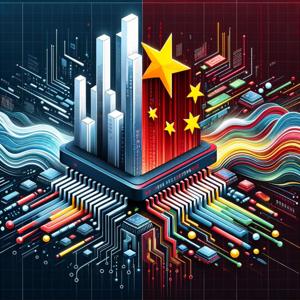
    While defenders are licking wounds, the policy battlefield saw Trump 2.0 lob a grenade: the US government struck a deal with Nvidia and AMD to let them sell AI chips like the H20 and MI308 to China—if they kick back 15% of those sales to Uncle Sam. Jensen Huang, the CEO of Nvidia, apparently talked Trump down from a 20% take by invoking legendary negotiation kung fu. The message? America’s not ending controls, but rewriting the playbook—export taxes over outright bans, pocketing billions while nudging China’s tech sector to de-Americanize even faster. According to the Center for European Policy Analysis, Beijing’s rattled: Communist Party officials are wrangling with AI firms over ditching US chips, and DeepSeek, China’s GPT challenger, had to delay its next model launch thanks to stumbles with Huawei’s silicon. Meanwhile, Chinese authorities are now accusing Washington of slipping trackers and kill switches into Nvidia’s hardware. Nvidia flat-out denies it, but the drama has Chinese ministries warning against using US chips anywhere near government processes.
    Industry ripple effects? Global supply chains are holding their collective breath. The US Commerce Department quietly loosened some chip design software restrictions, tossing Cadence and Nvidia a bone for continued China sales. But analysts from Data Insights Market warn this could turbocharge China’s semiconductor self-sufficiency—and give India, with its semiconductor ambitions, serious FOMO.
    And the espionage isn’t just East-West. North Korea’s APT43 is back with a multi-continent cyber campaign, while Chinese-speaking gangs are selling burner phones rigged for NFC relay fraud. Some Chrome extensions even went bad, slurping up sensitive data right from under users’ noses. The threat landscape is no longer red-vs-blue, it’s attack-as-a-service—global, hybrid, and relentless.
    This content was created in partnership and with the help of Artificial Intelligence AI.
    5 min
  • Silicon Smackdown: US-China Chip Wars Heat Up as Feds Track Shipments and Dragons Sharpen Claws
    This is your Beijing Bytes: US-China Tech War Updates podcast.
    Welcome back to Beijing Bytes, where the only thing moving faster than algorithms is the plotline of the US-China tech war. I’m Ting, your resident cyber sleuth and China tech whisperer, dissecting the last two weeks of high-stakes digital drama so you don’t have to mess with translation plugins or encryption keys.
    Let’s jack right into semiconductor news, because where else do all our chips fall? In mid-July, Nvidia announced it got the green light to sell its H20 AI chip to China after months of restrictions. Apparently, US Commerce Secretary Howard Lutnick wants Chinese developers to stay addicted to the American tech stack—his words, not mine. Meanwhile, inside China, the government is doubling down on its “Delete America” strategy, pushing domestic giants like Huawei to master advanced chips and reduce reliance on foreign tech. In Beijing, industrial policy money is flowing like boba at a summer festival, letting China corner the market on legacy chips and close the gap on cutting-edge AI hardware. Don’t count the Americans out yet, but the clock’s ticking.
    But hang on, cybersecurity incidents aren’t about to be outdone. According to Cisco Talos, a Chinese-speaking APT known as UAT-7237 has been probing Taiwanese web infrastructure, using tools like Cobalt Strike and even embedding Mimikatz exploits—think Swiss Army knife for hackers. Their tool of choice? A bespoke loader named SoundBill, pivoting across networks and gathering credentials as it goes. It’s a cat-and-mouse game, and these cats have VPNs.
    Oh, and in a plot twist that would make Black Mirror jealous, Reuters broke an intriguing story—allegedly, US authorities are embedding location trackers in high-risk AI chip shipments to China. Picture this: servers stuffed with Nvidia or AMD chips getting tracked like high-value Amazon packages, but by the Feds. Nothing is confirmed officially, but the potential irony is delicious. Washington labels Chinese surveillance as a threat, while possibly running its own secret tracking ops? Global chip supply chains just got a new layer of tinfoil.
    If you thought energy was boring, think again. AI experts who just zipped back from China are stunned at the chasm in infrastructure. In China, electricity is cheap and reliable—a far cry from the rolling grid blackouts plaguing US data centers. Between 2025 and 2030, the world needs a mind-numbing $6.7 trillion to feed AI’s appetite, and with China’s power sitting at eight cents per kilowatt hour compared to the pricey US, the infrastructure gap is causing industry insiders like Rui Ma to call America’s grid “a typewriter at a quantum computing convention.”
    Trade and policy, meanwhile, are in an endless arm wrestle. US tariffs on Chinese imports shot to a jaw-dropping 100%+, with China hitting back and global supply chains being yanked in every direction. US chip giants like Nvidia and AMD now pay a forced “tribute”—15% of sales to Ch
    This content was created in partnership and with the help of Artificial Intelligence AI.
    6 min

About Beijing Bytes: US-China Tech War Updates

From the publisher's feed

This is your Beijing Bytes: US-China Tech War Updates podcast.