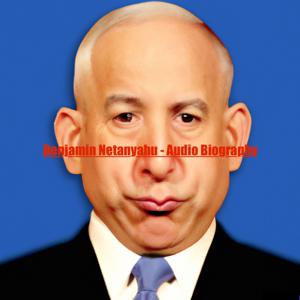
Benjamin Netanyahu BioSnap a weekly updated Biography.
Benjamin Netanyahu has spent the past few days at the center of international headlines and domestic controversy, keeping his iron grip on the narrative as only he can. As of today, he’s coming off a pivotal juncture with the United Nations Security Council preparing to vote on President Donald Trump’s International Stabilization Plan for Gaza. Netanyahu wasted no time drawing red lines, publicly warning at his Sunday cabinet meeting that no deal should pave the way for a Palestinian state, claiming, “I have resisted these attempts for decades and will continue to do so”—a clear message to allies and rivals on both sides of the Atlantic, as noted by CBN News and the Times of Israel. The Japanese press and US media have highlighted his hard stance, which remains his electoral calling card.
Behind the scenes, Netanyahu is actively leveraging his close relationship with Trump, who has given him a political boost following the recent Gaza ceasefire, and welcomed the prospect of reelection, as reported across NPR, KNPR, and Texas Public Radio. Internationally, he spoke with Vladimir Putin over the weekend, with the Kremlin confirming discussions about Gaza and Russia’s own competing ceasefire proposal.
On the domestic front, Netanyahu’s week has been punctuated by an eruption of settler violence in the West Bank, with Jewish settlers torching homes and cars in a Palestinian village—a situation sparking condemnation and urgent calls for order from his office. He asserted this behavior “harms the State of Israel, disgraces Judaism, and causes damage to the settlement project,” promising law enforcement a free hand in restoring calm. Just Security, Times of Israel, and the Jerusalem Post all covered Netanyahu’s statements that he would personally convene ministers and “apply the full weight of the law” to rioters.
Elsewhere, he’s fending off both the legal and political opposition, having testified in his own criminal trial, where he attempted to defend himself from allegations of illicit gifts by deflecting attention to alleged wrongdoing by other officials—a move widely covered in Israeli and global media. On the public events circuit, Netanyahu appeared in the mixed Jewish-Arab city of Lod, pledging to battle rising crime rates in Arab communities, even as he faced interruptions from local council members voicing frustration over neighborhood security and inequality.
The social media sphere is alive with chatter: On Instagram, posts recapped Netanyahu’s rejection of overtures from European leaders and marked his ongoing digital presence. Meanwhile, a FARA complaint detailed by Public Citizen and Responsible Statecraft revealed that under Netanyahu’s watch, Israel has been paying US-based influencers handsomely to push pro-Israel narratives, drawing scrutiny from transparency advocates. As he tightens his grip on government messaging, Netanyahu’s role in orchestrating digital influence campaig
This content was created in partnership and with the help of Artificial Intelligence AI.