
Sign up to save your podcasts
Or


First, Justin Baldoni.Dr. Freyd identified repeated sexual boundary violations in a workplace context. These included allegations of unconsented sexualized conduct, boundary erosion, and behavior patterns consistent with DARVO (deny, attack, reverse victim and offender) once concerns were raised. Importantly, her analysis did not rely on moral judgments but on behavioral patterns and power asymmetries.Second, Jamey Heath.He was identified as engaging in alleged sexual boundary violations and, critically, as a failure node in reporting and accountability. Dr. Freyd emphasized that harm is amplified when people in authority both participate in misconduct and fail to intervene or escalate complaints, which directly fits institutional betrayal criteria.
 View all episodes
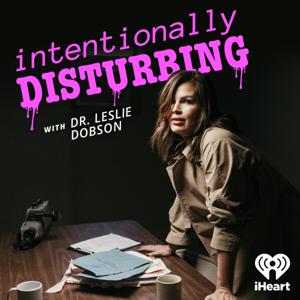
 By Dr. Leslie Dobson


2.6
110110 ratings
First, Justin Baldoni.Dr. Freyd identified repeated sexual boundary violations in a workplace context. These included allegations of unconsented sexualized conduct, boundary erosion, and behavior patterns consistent with DARVO (deny, attack, reverse victim and offender) once concerns were raised. Importantly, her analysis did not rely on moral judgments but on behavioral patterns and power asymmetries.Second, Jamey Heath.He was identified as engaging in alleged sexual boundary violations and, critically, as a failure node in reporting and accountability. Dr. Freyd emphasized that harm is amplified when people in authority both participate in misconduct and fail to intervene or escalate complaints, which directly fits institutional betrayal criteria.

10,415 Listeners

12,103 Listeners

10,972 Listeners
5,280 Listeners

369,956 Listeners

10,333 Listeners

47,718 Listeners

10,270 Listeners

4,435 Listeners

4,343 Listeners

8,305 Listeners

1,162 Listeners

5,391 Listeners

1,624 Listeners

1,116 Listeners