This chapter reveals the 5 Factors that influence who we are, but are things we do not control:
Our Nervous System
Genetics and Epigenetics
Generational Trauma
Adverse Childhood Experiences (ACEs)
Our Social Environment
Yet, we have agency in our lives. See below for full Chapter list.
We are living through an inflection point in human evolution.
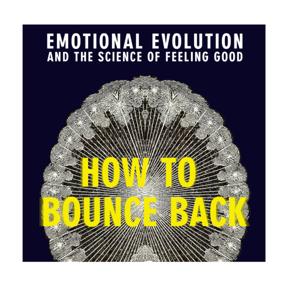
For the first time, we understand—scientifically—how the nervous system, early experiences, beliefs, relationships, and environment shape how we feel, how we behave, and what kind of future we create. This channel is a free audio and video reading of How to Bounce Back: Emotional Evolution and the Science of Feeling Good, a book about what that knowledge makes possible now.
This work lays out a practical, evidence-based pathway for resilience and emotional well-being, grounded in neuroscience, trauma science, and real-world application. It explores nervous system regulation, how belief systems actually form and change, what “quantum manifestation” really means in human terms, and the foundational building blocks that allow people to thrive: safety, relationships, belonging, effective coping skills, confidence, and the ability to name and integrate what has happened to us.
This is not motivation or theory. These tools are tested, teachable, and already in use with people navigating real adversity. Evolution here does not mean becoming something abstract or futuristic—it means applying what we now know to feel better in our bodies, think more clearly, relate more honestly, and create a healthier future for ourselves and the planet.
This channel offers the full book, freely shared, along with community, reflection, and encouragement. It is a grounded hero’s journey—one rooted in science, responsibility, and the possibility of change.
Jennifer Dhillon is an attorney, nonprofit founder, and resilience educator with over 15 years of experience working with youth, families, and communities facing trauma, instability, and systemic stress. She is the founder of Bounce Back Generation, where she has developed and led evidence-based programs funded and evaluated by public health, violence prevention, and social service agencies.
Her work integrates neuroscience, trauma studies, nervous system regulation, and storytelling to help people recover from adversity and build durable emotional strength. In addition to her legal practice supporting children and families in crisis, she trains educators, organizations, and young adults in practical resilience tools that are grounded in both science and lived experience.
Her work is informed not only by research, but by years of direct work with people rebuilding their lives—turning survival into agency, and adversity into meaningful growth.
PROLOGUE
INTRODUCTION
CHAPTER 1: IT’S NOT YOUR FAULT
CHAPTER 2: YOU’RE THE HERO OF YOUR LIFE
CHAPTER 3: TAMING YOUR NERVOUS SYSTEM
CHAPTER 4: YOU ARE WHAT YOU BELIEVE
CHAPTER 5: MANIFESTATION, HOW WE BRING OUR DESIRES INTO REALITY
CHAPTER 6: INTRODUCING THE 6 BUILDING BLOCKS FOR RESILIENCE
CHAPTER 7: THE PROTECTION BUILDING BLOCK
CHAPTER 8: THE RELATIONSHIPS BUILDING BLOCK
CHAPTER 9: THE BELONGING BUILDING BLOCK
CHAPTER 10: THE COPING SKILLS BUILDING BLOCK
CHAPTER 11: THE CONFIDENCE BUILDING BLOCK
CHAPTER 12: THE STORYTELLING (HERO’S JOURNEY) BUILDING BLOCK
CHAPTER 13: FEELINGS
EPILOGUE
RESOURCES
ACKNOWLEDGEMENT AND SOURCES
ABOUT THE AUTHOR