
Sign up to save your podcasts
Or

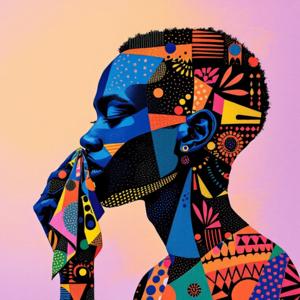


In this episode of Brain Boogerz, MJ explores how learning anxiety—not lack of intelligence—often blocks adult growth. The conversation goes beyond learning styles and study habits to unpack the emotional, cultural, and psychological layers that shape how we learn.
MJ breaks down what learning anxiety can look like in adulthood: procrastination, defensiveness, perfectionism, overconfidence, and avoiding being seen as a beginner. The episode also examines where that anxiety often comes from, including shame-based learning environments, fear of correction, cultural expectations, and social pressure.
From there, the episode takes a thoughtful look at learning styles—visual, auditory, kinesthetic, and reading/writing—not as fixed identities, but as preferences that can help us get started without limiting our growth. MJ also introduces the importance of metacognition, or learning how to learn, and explains why familiarity is not the same as mastery.
The episode closes with a powerful reframe: if learning has felt unsafe, that doesn’t mean something is wrong with you—it may mean your mind learned to protect you. And that protection can be updated.
This episode is for anyone who has ever thought:
“I’m just not good at that.”
What if it’s not inability… but anxiety?
In this episode of Brain Boogerz, we explore Beltane—the fire festival that marks the shift into the bright half of the year—and what it can teach us about mental health and “coming back to life” without burning ourselves out.
Using fire as a metaphor for the nervous system, we unpack regulated aliveness, discerned desire, and the difference between real activation and trauma-driven urgency.
You’ll hear practical reflections on boundaries, consent, visibility, and protecting what’s blooming—plus gentle, grounded ways to participate in the season even if you’re still warming up.
Some Rules Are Meant to Be Broken is the Season 1 finale of Brain Boogerz—and it asks a deeper question than “What rules were you taught?”
In this episode, MJ explores how many of the “rules” we live by—don’t be too much, keep the peace, don’t question authority, earn your rest, stay loyal at all costs—weren’t moral truths at all, but survival strategies learned under pressure. Drawing from attachment theory, trauma research, and social psychology, the episode examines how harmful rules are installed in childhood, reinforced by families and institutions, and maintained through fear, obligation, and guilt.
Rather than glorifying rebellion, this conversation focuses on discernment: how to tell the difference between rules that protect life and those that quietly demand self‑betrayal. It also explores why breaking a harmful rule can feel frightening, guilt‑inducing, and destabilizing—even when it’s necessary for healing.
The episode opens and closes with Ho’oponopono—I’m sorry. Please forgive me. Thank you. I love you.—as a language of repair, compassion, and self‑honesty.
This finale invites you to reflect, grieve, and choose again:Which rules protected you once—and which ones are now preventing you from becoming fully alive?
Imbolc is gentle. It’s not a dramatic rebirth — it’s a small, steady return. In this episode, we explore Imbolc as a threshold season: the first signs of returning light, the quiet work of care, and what it looks like to come back to yourself after a hard stretch.
We talk symbols like fire and cleansing, and we honor Brigid in an inclusive way — as both saint and goddess — holding space for listeners from Christian and Pagan backgrounds. Then we bring it home with mental health reframes you can actually use: boundaries, self-trust, and healing that happens one small choice at a time.
What’s one small thing you can do this week that signals “I’m returning”?
Ever wonder if someone in your life is a narcissist?
Narcissism isn't just one thing—it's a spectrum.
In this episode, we're breaking down the types, traits, and patterns that actually matter.
No jargon.
No judgment.
Just real talk about recognizing narcissistic behaviors and protecting your mental health.
Understanding narcissism can literally change how you navigate relationships and move forward with clarity and confidence.
Ready to understand what you're dealing with? Tune in now.
The Winter Solstice is the longest night of the year—and Yule is the moment that reminds us: the direction is changing. The light is coming back.In this episode of Brain Boogerz, MJ breaks down what Yule is, where it comes from, why so many winter traditions carry solstice symbolism, and how you can observe it in a way that’s grounded, respectful, and real—whether you live in the city, out in nature, alone, or with community.This isn’t about fear or stereotypes. It’s about meaning, history, and mental health—and using seasonal cycles as a framework for reflection, rest, and starting again.In this episode:
If you’re new here: welcome. If you’re returning: glad you’re back.
Subscribe for weekly episodes on mental health, personal growth, and the paths less traveled.If you’re seeking mental health support, please reach out to a qualified mental health professional.
The episode explores Paganism, Wicca, and the Wheel of the Year (Wiccan Sabbats), aiming to demystify these traditions, correct misconceptions, and show their value for personal growth and mental health.
Misunderstandings: Paganism and Wicca have long been misunderstood and misrepresented, often painted as “evil” or “strange” due to historical suppression, demonization, and commercialization (e.g., Halloween, crystals.
Why It Matters: Misrepresentation leads to loss of authenticity and barriers to understanding. There’s a modern movement to reclaim and clarify these traditions through education and respectful practice.
Origins & Beliefs:
Key Differences: Paganism is polytheistic and nature-centered; Christianity is monotheistic and event-centered. Many Christian holidays overlap with or replace Pagan festivals.
Devil/Satan Myth: Paganism and Wicca are not connected to the Devil or Satan. This myth arose from historical bias and Christian reinterpretation of local deities. Wicca does not recognize the Devil and focuses on balance, nature, and personal responsibility.
Wiccan Sabbats (Wheel of the Year): Eight seasonal festivals, each with unique symbols and meanings:
Modern Practice: Rituals focus on intention, gratitude, and connection to nature—often through simple acts like making tea, lighting candles, or journaling. Potions and recipes are about mindfulness and empowerment, not supernatural powers.
Takeaways: Paganism and Wicca value connection to nature, personal growth, and respect for all life. Their practices offer frameworks for reflection and intentional living, and their symbols and rituals help practitioners connect to the cycles of the earth and their own lives.
Final Message: The episode encourages curiosity, open-mindedness, and respectful exploration of these traditions, emphasizing that every season—and every tradition—has something to teach us.
This episode introduces Erich Fromm’s five character orientations, which describe habitual ways people relate to the world and others.
These are not diagnoses but patterns shaped by personal history and culture. The goal is to move toward Fromm’s “Productive Orientation,” marked by love, creativity, responsibility, and authenticity.
The episode explores how much control we truly have over our thoughts, actions, and beliefs, and how much is shaped by outside influences.
Locus of Control:
Social Learning & Group Behavior:
Operant Conditioning:
Propaganda, Marketing, and Subliminal Communication:
Biases, Social Conditioning, and Auto-Responses:
Critical Thinking:
Recognizing Manipulation:
Other “Locus” Frameworks:
Conclusion:
We are shaped by both internal beliefs and external influences. By developing awareness and critical thinking, we can reclaim our agency and make more intentional choices.
From the publisher's feed