
Sign up to save your podcasts
Or

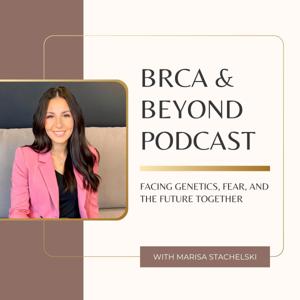


In Episode 5 of the Breast Cancer Awareness Month Series, Marisa moves beyond the first look in the mirror and into something that can be even harder to prepare for: learning how to actually live in a body that looks, feels, and moves differently after mastectomy and breast reconstruction.
Because recovery isn’t only about incisions healing or getting through surgery. It’s getting dressed for the first time. Finding a bra that actually feels comfortable. Hugging your kids when your chest is still numb. Sleeping differently. Working out again. Wearing a swimsuit. Navigating intimacy. And realizing that even when reconstruction looks “normal” from the outside, your body may not feel the way you expected it to.
Marisa shares her own experience after a nipple-sparing double mastectomy and implant-based breast reconstruction, including the strange, funny, frustrating, and emotional moments that came with getting to know her body again.
In this episode, Marisa talks about:
• Numbness, sensation changes, and the physical realities of breast reconstruction
• Bras, swimsuits, exercise, sleeping, and everyday life after mastectomy
• Body image, femininity, identity, and learning to feel like yourself again
• Physical touch, intimacy, relationships, and dating after breast surgery
• The complicated process of learning to live in and trust your changed body
Whether you’ve had a preventative mastectomy because of BRCA1, BRCA2, or another hereditary cancer mutation, undergone mastectomy after a breast cancer diagnosis, are considering breast reconstruction, or love someone navigating life after breast surgery, this conversation is about the parts of recovery that happen long after you leave the operating room.
Because getting through surgery is one thing. Learning how to live, move, love, dress, exercise, and feel like yourself in your body again is another.
Resources mentioned in this episode:
SHEFIT Sports Bra (15% off when using link)
https://www.shefit.com/MARISA71041
AnaOno
Designed for bodies affected by breast surgery, reconstruction, mastectomy, and more.
Use promo code BRCAANDBEYOND for 15% off or shop directly at:
https://www.anaono.com/brcaandbeyond
🎙️ BRCA & Beyond | A Hereditary Cancer Podcast
Follow and subscribe wherever you listen to podcasts for conversations about BRCA1, BRCA2, hereditary cancer risk, previvorship, survivorship, cancer prevention, risk-reducing surgery, and the emotional realities that come with all of it.
If this episode resonated with you, please leave a rating and review. This helps us reach more people navigating previvorship, survivorship, and life after a diagnosis.
Medical Disclaimer
This podcast is for informational and inspirational purposes only and is not intended to replace medical advice, diagnosis, or treatment. Always consult your physician or another qualified healthcare professional before making any medical decisions. The views and experiences shared by guests are their own and do not necessarily reflect the views of the host.
Connect with BRCA & Beyond
Instagram:
🧬 @BRCAandBeyond
💛 @MarisStache
Hosted on Acast. See acast.com/privacy for more information.
In this episode of BRCA & Beyond, Marisa sits down with Gila Pfeffer, award-winning author, humorist, breast cancer prevention advocate, BRCA1 carrier, eighteen-year breast cancer previvor and survivor, and mom of four.
Long before BRCA genetic testing and preventive mastectomy were widely discussed, Gila was paying close attention to her breast health. After learning she carried a BRCA1 mutation, she ultimately moved forward with a risk reducing double mastectomy. Six days after surgery, she received unexpected news: pathology had found an early but aggressive breast cancer.
Suddenly, prevention and survivorship became part of the same story.
Gila and Marisa talk about what it means to live with hereditary cancer risk, make major medical decisions with the information available to you, and have your understanding of your own experience change overnight. They discuss the complicated space between being a previvor and survivor, how BRCA awareness and genetic testing have evolved, and why knowing your risk can give you the opportunity to make informed decisions about your health.
They also talk about something central to Gila's life and work: humor. For Gila, humor doesn't minimize cancer, surgery, loss, or inherited risk. It creates a way into conversations that can otherwise feel overwhelming.
• Gila's experience with BRCA1 and hereditary cancer risk
• How BRCA genetic testing and awareness have changed
• Risk-reducing mastectomy and becoming a breast cancer survivor
• The intersection of prevention and survivorship
• Breast health, screening, and self-advocacy
• Making informed decisions about hereditary cancer risk
• Using humor to make difficult health conversations more approachable
• Gila's breast cancer prevention advocacy and “Feel It on the First” campaign
• Her memoir, Nearly Departed: Adventures in Loss, Cancer, and Other Inconveniences
Gila Pfeffer is an award-winning author, humorist, breast cancer prevention advocate, and mom of four. Her memoir, Nearly Departed: Adventures in Loss, Cancer, and Other Inconveniences, brings her signature humor to cancer, prevention, survivorship, and life's unexpected turns.
Her work has appeared in The New York Times, The New Yorker, Today.com, Oprah Daily, AARP, McSweeney's, and more. She speaks about women's health, prevention, empowerment, and humor and is the creator of “Feel It on the First,” a monthly campaign using tongue-in-cheek reminders to encourage women to prioritize breast health. She also writes the Feelin' It newsletter about women's health, middle age, and life through a humorous lens.
Nearly Departed: Adventures in Loss, Cancer, and Other Inconveniences is available through Amazon, Barnes & Noble, Books-A-Million, and other major booksellers.
Website: https://www.gilapfeffer.com/
Instagram: https://www.instagram.com/gilapfeffer/
Feel It on the First:
https://www.gilapfeffer.com/feel-it-on-the-first
Feelin' It Newsletter:
https://gilapfeffer.substack.com/
Sharsheret provides support and resources for women and families facing breast and ovarian cancer, including those navigating hereditary cancer risk.
https://www.sharsheret.org/
If this episode resonated with you, please leave a rating and review. This helps us reach more people navigating previvorship, survivorship, and life after a diagnosis.
Medical Disclaimer
This podcast is for informational and inspirational purposes only and is not intended to replace medical advice, diagnosis, or treatment. Always consult your physician or another qualified healthcare professional before making any medical decisions. The views and experiences shared by guests are their own and do not necessarily reflect the views of the host.
Connect with BRCA & Beyond
Instagram:
🧬 @BRCAandBeyond
💛 @MarisStache
Hosted on Acast. See acast.com/privacy for more information.
In Episode 4 of the BRCA & Beyond Breast Cancer Awareness Month series, Marisa talks about body image after mastectomy and breast surgery, including the first time you see your chest, the uncomfortable in between of recovery, and the emotional process of learning to feel at home in your body again.
After her risk-reducing double mastectomy, Marisa avoided looking at her chest for weeks. Photos felt easier than the mirror because she could separate herself from what she was seeing. Then came tissue expanders, surgical drains, numbness, scars, implant exchange, changes in sensation, and the question underneath all of it: Will I ever feel like myself again?
This episode explores the parts of mastectomy recovery and breast reconstruction that can be difficult to understand until you experience them.
Marisa shares her experience with tissue expanders and implant reconstruction while recognizing that there is no single path after breast surgery. Reconstruction with implants or your own tissue, going flat, lumpectomy, radiation, and delayed reconstruction can all change the way someone sees and experiences their body.
Nearly three years after her mastectomy, Marisa reflects on what making peace with her body actually looks like. Not one dramatic moment of acceptance, but small, ordinary moments mixed with days when the loss still feels heavy.
Because physical healing and emotional healing do not always happen on the same timeline.
There is no deadline for looking. There is no right way to feel about your scars. And having a hard day after you thought you had made peace with your body does not erase the healing that came before it.
National Cancer Institute: Breast Reconstruction After Mastectomy
https://www.cancer.gov/types/breast/treatment/surgery/breast-reconstruction
National Cancer Institute: Mastectomy
https://www.cancer.gov/types/breast/treatment/surgery/mastectomy
National Cancer Institute: Living with Breast Cancer & Survivorship
https://www.cancer.gov/types/breast/breast-cancer-survivorship
American Cancer Society: Mastectomy for Breast Cancer
https://www.cancer.org/cancer/types/breast-cancer/treatment/surgery-for-breast-cancer/mastectomy.html
American Cancer Society: Breast Reconstruction Surgery
https://www.cancer.org/cancer/types/breast-cancer/reconstruction-surgery.html
Breastcancer.org: Breast Reconstruction After Mastectomy or Other Surgery
https://www.breastcancer.org/treatment/surgery/breast-reconstruction
American Society of Plastic Surgeons: Breast Reconstruction
https://www.plasticsurgery.org/reconstructive-procedures/breast-reconstruction
If looking in the mirror, getting dressed, showering, intimacy, or adjusting to your body after breast surgery continues to feel overwhelming, consider talking with your oncology team, an oncology social worker, or a mental health professional experienced in cancer and body image.
BRCA & Beyond is a hereditary cancer podcast exploring BRCA1, BRCA2 and other inherited cancer risks through honest conversations about prevention, treatment, survivorship, surgery, mental health and life beyond a genetic test result.
If this episode resonated with you, please leave a rating and review. This helps us reach more people navigating previvorship, survivorship, and life after a diagnosis.
Medical Disclaimer
This podcast is for informational and inspirational purposes only and is not intended to replace medical advice, diagnosis, or treatment. Always consult your physician or another qualified healthcare professional before making any medical decisions. The views and experiences shared by guests are their own and do not necessarily reflect the views of the host.
Connect with BRCA & Beyond
Instagram:
🧬 @BRCAandBeyond
💛 @MarisStache
Hosted on Acast. See acast.com/privacy for more information.
Deciding to have a mastectomy and being emotionally ready to lose your breasts are two very different things.
In Episode 3 of BRCA & Beyond’s Breast Cancer Awareness Month series, Marisa explores the grief that can come before and after a mastectomy, whether surgery follows a breast cancer diagnosis or is chosen preventively because of hereditary cancer risk.
Breasts can be connected to motherhood, breastfeeding, femininity, sexuality, sensation, body image, intimacy, and simply recognizing your own body. Losing them can bring complicated emotions, even when you know the surgery is right for you.
Marisa shares her experience preparing for a preventive double mastectomy, including the guilt she felt grieving healthy breasts, the unexpected “lasts” before surgery, and the night she stood in the shower realizing her body would never look or feel exactly the same again.
The episode also explores disenfranchised grief, when a loss does not feel like something you are allowed to mourn. For survivors, that can sound like, “This surgery is saving my life, so how can I be sad?” For previvors, it can be, “I do not even have cancer, so what right do I have to grieve?”
You can be grateful for surgery and still grieve what it costs you. You can want a mastectomy and still mourn your breasts. And that grief may come before surgery, immediately afterward, or much later.
Whether you are preparing for a mastectomy after breast cancer, considering preventive mastectomy because of hereditary cancer risk, or recovering from breast surgery, this conversation makes space for a part of the experience that can be difficult to explain.
National Cancer Institute: Surgery to Reduce the Risk of Breast Cancer
https://www.cancer.gov/types/breast/causes-risk-factors/prevention/preventive-breast-surgery
National Cancer Institute: Mastectomy
https://www.cancer.gov/types/breast/treatment/surgery/mastectomy
National Cancer Institute: Self Image, Sexuality and Cancer
https://www.cancer.gov/about-cancer/coping/self-image
American Cancer Society: Mastectomy for Breast Cancer
https://www.cancer.org/cancer/types/breast-cancer/treatment/surgery-for-breast-cancer/mastectomy.html
BRCA & Beyond shares personal experiences and educational information and is not a substitute for individualized medical advice, diagnosis, or treatment.
If this episode resonated with you, please leave a rating and review. This helps us reach more people navigating previvorship, survivorship, and life after a diagnosis.
Medical Disclaimer
This podcast is for informational and inspirational purposes only and is not intended to replace medical advice, diagnosis, or treatment. Always consult your physician or another qualified healthcare professional before making any medical decisions. The views and experiences shared by guests are their own and do not necessarily reflect the views of the host.
Connect with BRCA & Beyond
Instagram:
🧬 @BRCAandBeyond
💛 @MarisStache
Hosted on Acast. See acast.com/privacy for more information.
Claudia McConnell was just 37 when a mammogram detected a subtle change that ultimately led to a Stage 1A breast cancer diagnosis. She felt great and couldn't feel anything unusual. Breast cancer wasn't something she expected to become part of her story.
Then, just weeks after her diagnosis, genetic testing revealed another piece of the puzzle: Claudia was BRCA2 positive.
In this episode of BRCA & Beyond, Claudia joins Marisa for an honest conversation about being diagnosed with breast cancer at a young age, the role early detection played in finding her cancer, discovering a hereditary cancer mutation after diagnosis, and navigating it all while raising two daughters.
Claudia shares the fear and uncertainty of those first weeks, the surgeries and decisions that followed, and how learning she carried a BRCA2 mutation changed the way she viewed her family history and future cancer risk. They also talk about motherhood, marriage, faith, mental health, survivorship, finding something to look forward to during the hardest moments, and learning how to move forward after cancer.
Claudia is a lifestyle content creator, mom of two, farm wife, and breast cancer survivor sharing the real-life ups and downs of navigating her 40s. From affordable fashion and Walmart finds to travel, faith, family, and life on a farm in Northwest Arkansas, Claudia's content is rooted in finding humor and joy in everyday life. After being diagnosed with Stage 1A breast cancer at 37 and testing positive for BRCA2, she has become passionate about sharing her experience and helping other women feel less alone through their own journeys.
Connect with Claudia
Instagram: @itsclaudiajo
Facebook: Claudia Jo
TikTok: @itsclaudiajo
American Cancer Society: Mammograms and Breast Cancer Screening
https://www.cancer.org/cancer/types/breast-cancer/screening-tests-and-early-detection/mammograms.html
American Cancer Society: Breast Cancer Screening Guidelines
https://www.cancer.org/cancer/screening/american-cancer-society-guidelines-for-the-early-detection-of-cancer.html
CDC: Hereditary Breast and Ovarian Cancer
https://www.cdc.gov/breast-ovarian-cancer-hereditary/
Claudia's story reflects her individual experience. Breast cancer screening recommendations vary based on age, personal and family history, genetic risk, and other factors. Talk with your healthcare provider about the screening plan that's appropriate for you.
If this episode resonates with you, share it with someone who needs to hear Claudia's story and follow BRCA & Beyond for more conversations about breast cancer, hereditary cancer risk, genetic mutations, previvorship, and survivorship.
BRCA & Beyond is for educational and informational purposes only and is not a substitute for individualized medical advice.
If this episode resonated with you, please leave a rating and review. This helps us reach more people navigating previvorship, survivorship, and life after a diagnosis.
Medical Disclaimer
This podcast is for informational and inspirational purposes only and is not intended to replace medical advice, diagnosis, or treatment. Always consult your physician or another qualified healthcare professional before making any medical decisions. The views and experiences shared by guests are their own and do not necessarily reflect the views of the host.
Connect with BRCA & Beyond
Instagram:
🧬 @BRCAandBeyond
💛 @MarisStache
Hosted on Acast. See acast.com/privacy for more information.
For people facing breast cancer or living with a high risk of developing it, some of the biggest decisions of their lives can arrive at the exact moment they feel least prepared to make them.
Lumpectomy or mastectomy. One breast or both. Surveillance or preventive surgery. Reconstruction or going flat. Implants or your own tissue. Nipple sparing or not. And sometimes, there is very little choice at all.
In Episode 2 of BRCA & Beyond’s Breast Cancer Awareness Month series, Marisa talks about the emotional weight behind breast cancer and high-risk decision-making and what it feels like to make permanent decisions about your body while navigating fear, uncertainty, information overload, and everyone else’s opinions.
Marisa shares her own experience of choosing a preventive double mastectomy, including the abnormality found on her first mammogram, undergoing additional imaging and a biopsy, realizing that ongoing high-risk surveillance was not something she personally wanted to live with, and the fear and doubt that followed even after she made her decision.
She also opens up about something that played a major role in her decision-making: the unknown. What would her body look like after a mastectomy? Would she recognize herself? Would she regret removing healthy breasts? And how much uncertainty was she willing to live with if she chose surveillance instead?
Because making a decision does not necessarily make the fear disappear.
This episode also explores the outside opinions that can make an already difficult decision even harder. From being told to “just get the mastectomy” to hearing “but you don’t even have cancer,” the people around us often have strong opinions about choices they will never personally have to live with.
There is no single right decision for every person.
Instead of searching endlessly for the perfect answer, Marisa shares four questions that helped her navigate her own decision:
What matters most to me?
What am I most afraid of?
What kind of uncertainty can I live with?
What would I choose if nobody else had an opinion?
Whether you are newly diagnosed with breast cancer, considering lumpectomy or mastectomy, living with hereditary breast cancer risk, deciding between high-risk surveillance and preventive mastectomy, exploring breast reconstruction options, or simply trying to understand what someone you love is facing, this conversation is about making room for both the medical facts and the person who has to live with the decision.
Because sometimes the choice is not between right and wrong.
Sometimes it is hard versus hard.
- National Cancer Institute: Surgery to Reduce the Risk of Breast Cancer
Information about preventive mastectomy, who may consider it, its benefits and limitations, and alternatives to surgery.
- National Cancer Institute: Breast Cancer Surgery
Information about lumpectomy, mastectomy, breast reconstruction, and factors to discuss with your medical team.
- National Cancer Institute: Genetic Testing for Inherited Cancer Risk
Guidance on genetic testing, hereditary cancer risk, genetic counseling, and understanding your results.
- Breastcancer.org: Types of Breast Reconstruction
Information about reconstruction options, including implants and tissue-based procedures.
- Breastcancer.org: Going Flat After Mastectomy
Information for people considering aesthetic flat closure or choosing not to have breast reconstruction.
If you are facing decisions about breast cancer treatment, hereditary cancer risk, surveillance, or preventive surgery, talk with your own healthcare team about the benefits, risks, and alternatives that apply to your individual medical history. A breast surgeon, medical oncologist, genetic counselor, plastic or reconstructive surgeon, oncology social worker, or mental health professional may also be helpful depending on the decisions you are facing.
If this episode resonated with you, please leave a rating and review. This helps us reach more people navigating previvorship, survivorship, and life after a diagnosis.
Medical Disclaimer
This podcast is for informational and inspirational purposes only and is not intended to replace medical advice, diagnosis, or treatment. Always consult your physician or another qualified healthcare professional before making any medical decisions. The views and experiences shared by guests are their own and do not necessarily reflect the views of the host.
Connect with BRCA & Beyond
Instagram:
🧬 @BRCAandBeyond
💛 @MarisStache
Hosted on Acast. See acast.com/privacy for more information.
In the first episode of BRCA & Beyond’s Breast Cancer Awareness Month series, Marisa explores the emotional and psychological shift that can happen after a breast cancer diagnosis or after learning that you carry a genetic mutation or have a hereditary risk that significantly increases your chances of developing breast cancer.
The medical experiences of a breast cancer survivor and a previvor are not the same. But there can be an emotional experience that overlaps: suddenly looking at your own body differently.
For a survivor, it may feel like betrayal. How could this happen in my own body?
For a previvor, the breasts may still be completely healthy, yet suddenly they can feel like something that needs to be watched, screened, managed, or even removed before cancer ever develops.
In this episode, Marisa talks about what happens beneath the screenings, risk percentages, treatment plans, and surgical decisions. The shock of receiving life-changing news. The fear of your own body. Family cancer history suddenly becoming personal. The urge to immediately jump into research and planning. And the complicated reality of contemplating saying goodbye to your breasts.
She also shares her own experience of learning she carried a BRCA2 mutation shortly after surviving colon cancer and why, looking back, she wishes she had given herself more time to emotionally process what she had learned before going straight into research and planning mode.
Because the emotional impact of breast cancer and hereditary cancer risk does not begin with chemotherapy, radiation, a lumpectomy, or mastectomy.
Sometimes it begins the moment you get the news.
Whether you are newly diagnosed with breast cancer, living with an inherited cancer mutation, navigating high-risk breast cancer screening, considering preventive mastectomy, already in treatment, or living on the other side of surgery, this episode opens a conversation about the part of Breast Cancer Awareness Month that is not always visible beneath all the pink.
This is Episode 1 of an eight-part BRCA & Beyond series exploring the emotional, mental, and psychosocial realities of breast cancer and breast cancer risk, from previvors to survivors, thrivers, and those living with metastatic disease.
FORCE: Facing Our Risk of Cancer Empowered
Information, support, and gene specific resources for people and families affected by hereditary cancer, including inherited mutations such as BRCA1, BRCA2, PALB2, CHEK2, ATM, TP53, and others.
National Cancer Institute: Genetic Testing for Inherited Cancer Risk
Evidence based information about hereditary cancer syndromes, genetic testing, genetic counseling, and what genetic test results may mean for individuals and their families.
National Cancer Institute: Breast Cancer Causes and Risk Factors
Information about breast cancer risk, family history, and inherited genetic variants associated with increased breast cancer risk.
American Cancer Society: Breast Cancer Survivorship and Support
Resources for people living and after breast cancer, including emotional support, fear of recurrence, follow-up care, and survivorship resources.
National Society of Genetic Counselors
Information about genetic counseling and how genetic counselors can help individuals and families understand inherited cancer risk, genetic test results, and the decisions that can follow.
If you are struggling emotionally after a cancer diagnosis, genetic test result, or major medical decision, consider talking with your healthcare team, genetic counselor, oncology social worker, therapist, or another mental health professional familiar with cancer and hereditary cancer risk.
BRCA & Beyond shares personal experiences and educational information and is not a substitute for individualized medical advice, diagnosis, or treatment.
If this episode resonated with you, please leave a rating and review. This helps us reach more people navigating previvorship, survivorship, and life after a diagnosis.
Medical Disclaimer
This podcast is for informational and inspirational purposes only and is not intended to replace medical advice, diagnosis, or treatment. Always consult your physician or another qualified healthcare professional before making any medical decisions. The views and experiences shared by guests are their own and do not necessarily reflect the views of the host.
Connect with BRCA & Beyond
Instagram:
🧬 @BRCAandBeyond
💛 @MarisStache
Hosted on Acast. See acast.com/privacy for more information.
A genetic test can give us important information about our health and our options. But living with that information is something else entirely.
In this episode of BRCA & Beyond, Marisa sits down with Emily Epstein, LMSW, Genetic Social Worker with the Genetics and Personalized Cancer Prevention Program at Weill Cornell Medicine and NewYork-Presbyterian, to talk about the psychosocial side of hereditary cancer risk and the gap that can exist between receiving genetic information and actually learning how to live with it.
They talk about the anxiety that can come with knowing your cancer risk, the emotional weight of ongoing surveillance and prevention decisions, navigating family dynamics, communicating genetic risk with relatives, survivor and previvor guilt, and why the emotional impact of hereditary cancer doesn’t end after the genetic counseling appointment.
Emily also shares how her work provides long-term psychosocial support for people living with hereditary cancer risk and why this kind of care deserves a place alongside medical surveillance, genetic counseling, and cancer prevention.
Emily is among the first clinicians in the country working specifically as a Genetic Social Worker in this capacity. At Weill Cornell’s Genetics and Personalized Cancer Prevention Program, she has helped build psychosocial services from the ground up, including individual counseling, care coordination, family testing support, and peer support. Before becoming a social worker, Emily worked as an actor on Broadway, national tours, and in voiceover.
The Genetics and Personalized Cancer Prevention Program at Weill Cornell Medicine cares for individuals and families with hereditary cancer syndromes. The multidisciplinary program brings together genetic counseling, medical and surgical specialists, research, and social work to support cancer prevention and risk reduction over the long term.
The Innovations in Cancer Genetics Symposium takes place October 15–17, 2026, at Weill Cornell Medicine in New York City, presented with FORCE.
Thursday, October 15 is Patient Wellness and Connection Day, a full day created for individuals living with hereditary cancer syndromes and their families. Emily organized the day alongside her colleague Laura Schneebaum. Emily will also present on Friday and moderate the patient panel closing the symposium on Saturday.
Register at gpcpsymposium.com and use code THURSDAY50 for a discounted Thursday pass.
Connect & Learn MoreEmily Epstein, LMSW:
https://weillcornell.org/emily-epstein-lmsw
Genetics and Personalized Cancer Prevention Program:
www.wcinyp.org/gpcp
GPCP on Instagram: @WCMCancergenetics
Emily on Instagram: @emilyepsteinlmsw
Research:
Epstein ES, et al. Addressing the Psychosocial Gap in Hereditary Cancer Care. JCO Oncology Practice, 2026.
https://ascopubs.org/doi/10.1200/OP-26-00307
BRCA & Beyond is a hereditary cancer podcast exploring the medical, emotional, and psychosocial realities of living with inherited cancer risk. This podcast is for educational purposes only and is not a substitute for individualized medical or mental health care.
If this episode resonated with you, please leave a rating and review. This helps us reach more people navigating previvorship, survivorship, and life after a diagnosis.
Medical Disclaimer
This podcast is for informational and inspirational purposes only and is not intended to replace medical advice, diagnosis, or treatment. Always consult your physician or another qualified healthcare professional before making any medical decisions. The views and experiences shared by guests are their own and do not necessarily reflect the views of the host.
Connect with BRCA & Beyond
Instagram:
🧬 @BRCAandBeyond
💛 @MarisStache
Hosted on Acast. See acast.com/privacy for more information.
In this special Previvor Day episode of BRCA & Beyond, Marisa talks about the parts of living with an inherited genetic mutation and hereditary cancer risk that often happen quietly, far beyond genetic testing results, cancer screenings, doctor appointments, and risk percentages.
Because being a previvor can mean making life-changing decisions about a healthy body. It can mean choosing between increased surveillance and risk-reducing surgery, navigating fertility and family planning, worrying about what you may have passed on to your children, carrying the cancer history of generations before you, and learning how to live with information you can never unknow.
And then there is the part we don’t talk about nearly enough: the emotional weight of it all.
In this episode, Marisa gets personal about her own experience as a BRCA2 previvor and colon cancer survivor, including preventive surgery, body image, family history, guilt, grief, fear, gratitude, and the strange gray area of being neither a cancer patient nor completely untouched by cancer.
She also explores why so many previvors struggle silently. When people around you are actively fighting cancer, it can feel like you don’t have the right to say this is hard. When a preventive surgery was technically your “choice,” it can feel like you shouldn’t grieve what it cost you.
But being grateful for the opportunity to know your hereditary cancer risk and struggling with what that knowledge asks of you can both be true.
This episode is for anyone navigating BRCA1, BRCA2, Lynch syndrome, PALB2, CHEK2, ATM, TP53, CDH1, or another hereditary cancer gene mutation. It’s for the person considering preventive surgery, living through high-risk cancer screening, waiting on genetic testing results, thinking about their children and family history, or simply trying to figure out where they belong in the hereditary cancer community.
On Previvor Day, this is a reminder that you do not have to earn the right to find this difficult, and you do not have to carry it quietly.
FORCE: Facing Our Risk of Cancer Empowered
Hereditary cancer information, gene-specific resources, support programs, research opportunities, and resources for previvors and survivors:
https://www.facingourrisk.org/
National Hereditary Cancer Week & Previvor Day – FORCE
Learn more about National Previvor Day and Hereditary Cancer Week:
https://www.facingourrisk.org/national-hereditary-cancer-week
FORCE Previvor Resources
Information and resources specifically for people living with an inherited cancer risk who have not been diagnosed with cancer:
https://www.facingourrisk.org/previvor-resources
FORCE Hereditary Cancer Support
Find peer navigation, previvor support groups, a helpline, community programs, and help finding hereditary cancer specialists:
https://www.facingourrisk.org/support
National Cancer Institute: Genetic Testing for Inherited Cancer Risk
Information about hereditary cancer syndromes, genetic testing, genetic counseling, and what genetic test results can mean for individuals and families:
https://www.cancer.gov/about-cancer/causes-prevention/genetics/genetic-testing-fact-sheet
This podcast is for educational and informational purposes only and is not a substitute for individualized medical advice. Decisions about genetic testing, cancer screening, surveillance, medications, or risk-reducing surgery should be made with qualified healthcare professionals who understand your personal and family history.
If this episode resonated with you, please leave a rating and review. This helps us reach more people navigating previvorship, survivorship, and life after a diagnosis.
Medical Disclaimer
This podcast is for informational and inspirational purposes only and is not intended to replace medical advice, diagnosis, or treatment. Always consult your physician or another qualified healthcare professional before making any medical decisions. The views and experiences shared by guests are their own and do not necessarily reflect the views of the host.
Connect with BRCA & Beyond
Instagram:
🧬 @BRCAandBeyond
💛 @MarisStache
Hosted on Acast. See acast.com/privacy for more information.
After a month of conversations about ovarian cancer risk, screening, fallopian tubes, fertility, preventive surgery, surgical menopause, HRT, and hereditary cancer, there’s one question left:
What do we actually do with all of this information?
In the finale of our Ovarian Cancer Awareness Month series, Marisa steps back to look at the bigger picture.
Because learning your cancer risk is one thing. Understanding how that information applies to your body, your family history, your mutation, and your life is another.
In this episode, we talk about how to find reliable medical information, understand the difference between established recommendations and emerging research, ask better questions during appointments, seek second opinions, and build a care team that can support more than just cancer prevention.
We also talk about something that can easily get lost when discussing preventive surgery: what happens afterward. Who helps manage surgical menopause? When should conversations about HRT happen? What about sexual health, fertility, bone health, quality of life, and the emotional impact of making an irreversible medical decision?
The goal of this series was never to tell you what decision to make.
It was to help you understand the questions worth asking before you make it.
Awareness gives us information. Advocacy helps us use it.
FORCE: Facing Our Risk of Cancer Empowered
Hereditary cancer information, support, research updates, risk management information, and resources for people with inherited cancer risk.
https://www.facingourrisk.org/
National Cancer Institute: BRCA1 and BRCA2
Information about BRCA1/2 cancer risks, genetic testing, ovarian cancer risk management, screening limitations, and risk-reducing surgery.
https://www.cancer.gov/about-cancer/causes-prevention/genetics/brca-fact-sheet
National Cancer Institute: Ovarian Cancer Prevention
Evidence-based information about ovarian, fallopian tube, and primary peritoneal cancer risk and prevention.
https://www.cancer.gov/types/ovarian/patient/ovarian-prevention-pdq
American College of Obstetricians and Gynecologists: Ovarian Cancer
Patient information about ovarian cancer risk, high-risk individuals, risk-reducing surgery, and surgical menopause.
https://www.acog.org/womens-health/faqs/ovarian-cancer
ACOG: BRCA1 and BRCA2 Mutations
Information about BRCA-related cancer risk, preventive surgery, removal of the ovaries and fallopian tubes, and considerations surrounding surgical menopause.
https://www.acog.org/womens-health/faqs/brca1-and-brca2-mutations
The Menopause Society: Hormone Therapy
Evidence-based patient education about hormone therapy, including different forms of estrogen and progestogen therapy, potential benefits and risks, and questions to discuss with a menopause-trained healthcare professional.
https://menopause.org/patient-education/menopause-topics/hormone-therapy
The Menopause Society: Patient Education
Additional resources on menopause symptoms, sexual health, nonhormonal treatment options, hormone therapy, and preparing for menopause care.
https://menopause.org/patient-education
If you are navigating hereditary ovarian cancer risk or considering risk-reducing surgery, talk with a genetic counselor, gynecologic oncologist, and other qualified healthcare professionals about recommendations specific to your genetic mutation, personal history, family history, age, and individual circumstances.
This podcast is for educational purposes only and is not a substitute for individualized medical advice, diagnosis, or treatment.
If this episode resonated with you, please leave a rating and review. This helps us reach more people navigating previvorship, survivorship, and life after a diagnosis.
Medical Disclaimer
This podcast is for informational and inspirational purposes only and is not intended to replace medical advice, diagnosis, or treatment. Always consult your physician or another qualified healthcare professional before making any medical decisions. The views and experiences shared by guests are their own and do not necessarily reflect the views of the host.
Connect with BRCA & Beyond
Instagram:
🧬 @BRCAandBeyond
💛 @MarisStache
Hosted on Acast. See acast.com/privacy for more information.
From the publisher's feed
If you're a hereditary cancer previvor, in treatment, or a cancer survivor, this podcast is for you.
BRCA & Beyond is a hereditary cancer podcast for…
Whether you're weighing genetic testing, navigating a family history of cancer, considering preventive surgery, in active treatment, living in survivorship, or supporting a loved one through a hereditary cancer diagnosis, you'll find real conversations here.
Hosted by Marisa Stachelski, a stage 1 colon cancer survivor and BRCA2 previvor, each episode covers what genetic counseling and clinical care often leave out... identity, body image, intimacy, fertility, career, family planning, and survivor's guilt.
You'll hear from previvors, survivors, mutation carriers, caregivers, genetic counselors, and oncology experts on the realities of hereditary cancer risk, prophylactic surgery, surveillance, hereditary cancer screening, and life after a mutation diagnosis.
Topics include hereditary breast and ovarian cancer, breast cancer, ovarian cancer, colorectal cancer, colon cancer, pancreatic cancer, inherited cancer risk, genetic testing, and living with a hereditary cancer syndrome.
Because a positive genetic test result changes more than your medical chart. New episodes every week for the hereditary cancer community.
BRCA & Beyond is written, recorded, and run independently by Marisa, a colon cancer survivor and BRCA2 previvor. If this podcast has helped you, you can support the mission here:
www.ko-fi.com/brcabeyond
Hosted on Acast. See acast.com/privacy for more information.