
Sign up to save your podcasts
Or


PRACTICE WITH US:
365 Sadhana Sangha
https://practice.omsom.yoga/365-sadhana-sandha/join
100 Hr Asana Sadhana Dharma
https://practice.omsom.yoga/asana-sadhana-dharma-oto
200 Hr Yoga Teacher Training Sri Lanka 2026
https://omsom.yoga/200-hour-yoga-teacher-training-sri-lanka
50 Hr Online Yin Yoga Teacher Training
https://practice.omsom.yoga/yin-yoga-and-prana-vayus-oto
ON THIS WEEK'S EPISODE
We complete our 4-part series on the functions of the mind (Antaḥkaraṇa) with a deep dive into Buddhi, the faculty of discernment. Often misunderstood or underdeveloped in modern life, Buddhi is the seat of clarity, intuition, and right action. Without it, our practice remains mechanical and our decisions reactive. This episode explores Buddhi not just as an idea, but as a spiritual function that bridges the mind to the Self.
DEFINITION AND ETYMOLOGY OF BUDDHI
Buddhi (बुद्धि) is derived from the Sanskrit root budh, meaning "to know" or "to awaken".
It refers to the discerning faculty of the mind — the one that decides, reasons, and realises.
Buddhi is the still, silent witness that sees without reacting. When activated, it leads us from compulsion to clarity.
KEY CONCEPTS COVERED
How Buddhi differs from Manas, Citta, and Ahaṃkāra
Buddhi as the internal guide, and how it's clouded by Rajas and Tamas
The role of Buddhi in yoga practice, ethics, and daily decision-making
Why Buddhi is essential for moving toward viveka (discrimination between real and unreal)
Christ Consciousness and Buddha nature as metaphors for awakened Buddhi
The transition from reactive mind to witnessing awareness
TEXTUAL SOURCES
Yoga Sūtra 1.20: śraddhā vīrya smṛti samādhi prajñā pūrvaka itareṣām — the path to awakening requires discernment (prajñā)
Bhagavad Gītā 2.50: yogaḥ karmasu kauśalam - Yoga is skill in action, guided by Buddhi
References to the Katha Upaniṣad’s chariot model, where Buddhi is the charioteer
Tantric model of viveka khyāti - developing clear seeing through sustained practice
PRACTICAL INTEGRATION
Practices to strengthen Buddhi
Svādhyāya (self-study) and scriptural reflection
Pratyāhāra and Dhyāna for non-reactive observation
Choosing sāttvic food, company, and habits to clear mental fog
Asking: “Is this reaction or response?” before making decisions
Meditating on the silence behind thoughts
Viewing spiritual maturity as the refinement of Buddhi — not just accumulation of knowledge
SHARE & CONNECT
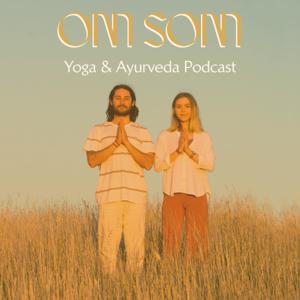
Thank you for listening to the Om Som Yoga & Ayurveda Podcast.
Please share this episode with someone it might support, and connect with us on social media or via our website.
Instagram: @OmSom.yoga
Website: OmSom.yoga
We operate a yoga studio in Berwick, Victoria, Australia, offering classes, workshops, and Yoga Teacher Training programs. We'd love to connect with you wherever you are on your journey.
HARI OM
 View all episodes
 By Aaron Petty + Paige Taylah
5
77 ratings
PRACTICE WITH US:
365 Sadhana Sangha
https://practice.omsom.yoga/365-sadhana-sandha/join
100 Hr Asana Sadhana Dharma
https://practice.omsom.yoga/asana-sadhana-dharma-oto
200 Hr Yoga Teacher Training Sri Lanka 2026
https://omsom.yoga/200-hour-yoga-teacher-training-sri-lanka
50 Hr Online Yin Yoga Teacher Training
https://practice.omsom.yoga/yin-yoga-and-prana-vayus-oto
ON THIS WEEK'S EPISODE
We complete our 4-part series on the functions of the mind (Antaḥkaraṇa) with a deep dive into Buddhi, the faculty of discernment. Often misunderstood or underdeveloped in modern life, Buddhi is the seat of clarity, intuition, and right action. Without it, our practice remains mechanical and our decisions reactive. This episode explores Buddhi not just as an idea, but as a spiritual function that bridges the mind to the Self.
DEFINITION AND ETYMOLOGY OF BUDDHI
Buddhi (बुद्धि) is derived from the Sanskrit root budh, meaning "to know" or "to awaken".
It refers to the discerning faculty of the mind — the one that decides, reasons, and realises.
Buddhi is the still, silent witness that sees without reacting. When activated, it leads us from compulsion to clarity.
KEY CONCEPTS COVERED
How Buddhi differs from Manas, Citta, and Ahaṃkāra
Buddhi as the internal guide, and how it's clouded by Rajas and Tamas
The role of Buddhi in yoga practice, ethics, and daily decision-making
Why Buddhi is essential for moving toward viveka (discrimination between real and unreal)
Christ Consciousness and Buddha nature as metaphors for awakened Buddhi
The transition from reactive mind to witnessing awareness
TEXTUAL SOURCES
Yoga Sūtra 1.20: śraddhā vīrya smṛti samādhi prajñā pūrvaka itareṣām — the path to awakening requires discernment (prajñā)
Bhagavad Gītā 2.50: yogaḥ karmasu kauśalam - Yoga is skill in action, guided by Buddhi
References to the Katha Upaniṣad’s chariot model, where Buddhi is the charioteer
Tantric model of viveka khyāti - developing clear seeing through sustained practice
PRACTICAL INTEGRATION
Practices to strengthen Buddhi
Svādhyāya (self-study) and scriptural reflection
Pratyāhāra and Dhyāna for non-reactive observation
Choosing sāttvic food, company, and habits to clear mental fog
Asking: “Is this reaction or response?” before making decisions
Meditating on the silence behind thoughts
Viewing spiritual maturity as the refinement of Buddhi — not just accumulation of knowledge
SHARE & CONNECT
Thank you for listening to the Om Som Yoga & Ayurveda Podcast.
Please share this episode with someone it might support, and connect with us on social media or via our website.
Instagram: @OmSom.yoga
Website: OmSom.yoga
We operate a yoga studio in Berwick, Victoria, Australia, offering classes, workshops, and Yoga Teacher Training programs. We'd love to connect with you wherever you are on your journey.
HARI OM
10,587 Listeners
624 Listeners