
Sign up to save your podcasts
Or

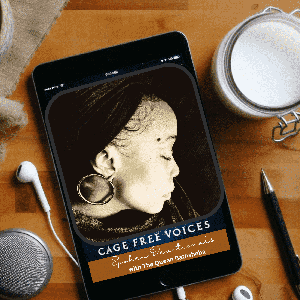


This episode introduces the series David, Called, Chosen, and Human and examines King David’s calling, character, marriage, fatherhood, failure, and the consequences of power.
It explores how to judge actions by their fruit while recognizing that only Yahweh knows the heart, emphasizes accountability and repentance, and refuses to erase either David’s courage or his wrongdoing.
Reflect on discernment, responsibility, and the complexity of leadership as we begin studying the house of David.
*Sorry, this episode is four minutes …
The episode emphasizes repentance as turning toward God's love and allowing transformation, and asks listeners to consider whether they have chosen to embrace love.
In Part II, Queen Bathsheba teaches that God calls us to self‑surrender, not the destruction of our identity. Using John the Baptist and the house/indwelling analogy, she explains how the Holy Spirit dwells within us to gradually align our spirit, desires, and actions with God without erasing who we are.
The episode invites listeners to abide with God, allow their inner life to be shaped by His presence, and embrace a rightly ordered identity that worships in spirit and in truth.
Host The Queen Bathsheba invites listeners to wrestle with big questions about God, the existence of Yahweh, and why suffering and sin appear in the world. She flips the script: if you were God, how would you create genuine love without giving humanity the ability to choose?
This episode explores a woven language of Scripture found in names, places, and images: Bethlehem as the "house of bread," Nazareth as a branch, and Jesus as the bread of life and the true vine.
It explains how the Father is portrayed as the divine cultivator, how believers are branches dependent on the vine, and how seed and faith work together as the Spirit brings life and fruit.
This is part 1 of a series that invites reflection on how these details illuminate the kingdom of God.
The Queen Bathsheba explores the difference between self-erasure and true surrender, showing that God calls us to align our identity with Him—not to lose who we are.
Using John the Baptist's words and Romans 8:29, she explains that we are to be conformed to Christ's image while retaining our unique gifts, voice, and purpose.
Practical takeaway: surrender means yielding authority to God so your desires, gifts, and decisions operate in alignment with His purposes. Stay tuned for Part 2.
*This episode was recorded in a space where there was a great deal of background noise. Don't worry, all of it was eliminated during production.
The Queen Bathsheba explores how the Bible can be misused to control and harm, sharing her own experience to distinguish judging a person’s heart from judging the actions and systems they build.
Using the "fruit test" from Scripture, she shows how to identify deliberate exploitation, encourages checking leaders against the text, and offers a path toward liberation and faithful discernment.
Who Gave You the Right to Correct Me?
The Queen Bathsheba delivers a powerful Cage Free Voices devotional calling out hypocrisy in religious authority and insisting that true peace can only come after truth. She challenges those who wield scripture to sanctify oppression and urges listeners not to accept a manufactured peace built on silence.
Affirming the worth of the marginalized—women, the disabled, and the enslaved—she recalls that women were first witnesses to the resurrection and calls believers to stand in truth, refuse to be silenced, and live out courageous, compassionate faith.
The Queen Bathsheba examines biblical spiritual warfare as posture, truth, and submission rather than loud performance or emotional display.
Drawing on examples like Jehoshaphat, Jericho, Paul and Silas, David and Saul, Daniel, and Jesus, she argues the true weapons are the word of God and steadfast faith that dismantle arguments and strongholds.
Music can prepare and reorient the heart, but it is preparatory—worship is covenant faithfulness and the battle is won by truth, discernment, obedience, and prayer.
From the publisher's feed
Cage Free Voices Spoken Devotionals is dedicated to guiding individuals on the journey to becoming their highest, God-given selves.

1 Listeners

2 Listeners

2 Listeners

0 Listeners

0 Listeners
0 Listeners
2 Listeners
0 Listeners