
Sign up to save your podcasts
Or

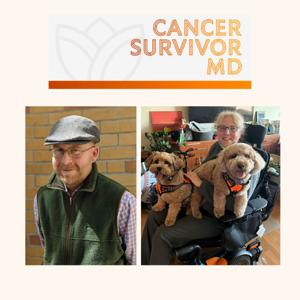


Josie's Substack essay Changing the Ending is now a podcast episode, brought to life in the voice of my husband, Stasa. We explore repetition compulsion through the lens of chronic and serious illness—the patterns we repeat, the endings we wish we could change, and what it might mean to find a different way forward.
General Links:
In this episode of Cancer Survivor MD, Dr. G. van Londen and Brad Buchanan speak with Dr. Kathryn Schmitz, Professor of Medicine at the University of Pittsburgh, Co-Director of the Hillman Cancer Center Survivorship Program, and Founding Director of the Hillman Exercise Oncology Program (Moving Through Cancer).
They discuss how Hillman is integrating personalized exercise into routine cancer care, along with the benefits of strength training for muscle, bone health, lymphedema, neuropathy, and recovery. Dr. Schmitz also shares UPMC’s groundbreaking efforts to make exercise oncology a covered healthcare benefit.
Her central message is simple: exercise does not have to be intense. Start where you are, do what you can, and build from there.
Links pertaining to topics discussed in this episode:
General Links:
In this Author Chat, Josie and Brad welcome Tim McDonald, stage IV colorectal cancer survivor, liver transplant recipient, patient advocate, and author of From Patient to Advocate: Turning Survivorship into Impact for Healthcare Advocates.
Tim shares how his diagnosis led him from self-advocacy to broader patient advocacy, including the search for second opinions, coordination between cancer and transplant teams, and the importance of finding providers willing to communicate across institutions. He discusses liver transplantation for select patients with colorectal cancer liver metastases, the emotional weight of survivorship, survivor guilt, grief, and how advocacy can be both meaningful and sustainable.
The conversation also explores Tim’s book, which serves as a practical guide for patients, survivors, and caregivers who want to turn lived experience into impact. Tim reminds listeners that advocacy does not have to be public or large-scale; sometimes it begins with helping one person feel less alone.
Links relevant to this episode:
General Links:
In this episode of Cancer Survivor MD, Dr. Josie van Londen is joined by Brad Buchanan, Colleen Dwyer Diehl, and special guest Janette Poppenberg, a cancer-certified personal trainer in the Pittsburgh area, for a practical and compassionate conversation about physical activity after cancer treatment. Focusing on survivors who are no longer in active therapy, the group discusses how to safely begin moving again, why “start where you are” matters, and how small, consistent steps can help rebuild strength, stamina, confidence, and trust in the body.
Janette explains what a cancer-certified personal trainer does, how assessments can be individualized, and why range of motion, aerobic capacity, and muscular strength all matter in survivorship. The conversation also explores cancer-related fatigue, the role of medical clearance and primary care involvement, the potential value of oncology massage, and realistic motivation strategies—such as starting with five minutes a day, pairing movement with something enjoyable, and finding supportive groups or classes.
The episode emphasizes that exercise is not about perfection or pressure, but about finding safe, meaningful ways to move that fit each survivor’s body, energy, goals, and life.
Links relevant to this episode:
General Links:
In this Author Chat, Josie van Londen and Brad Buchanan speak with pediatrician and writer Carolyn Roy-Bornstein about her new book, A Prescription for Burnout: Restorative Writing for Healthcare Professionals. Carolyn explores burnout not as a personal failure, but as a signal of disconnection from meaning, purpose, and the soul of medicine. Together they discuss how writing can help clinicians process grief, anger, moral injury, compassion fatigue, uncertainty, and the emotional weight of bearing witness to suffering. The conversation also explores reflective writing as a tool for self-awareness, restoration, openness, and reconnection with the sacred moments that still exist in healthcare.
Links relevant to this episode:
General Links:
In this final episode of The Essential Elements of Cancer Survivorship Care, we explore care coordination—the complex, often overwhelming task of managing life after cancer. From juggling medical appointments, work, family, and personal healing, to navigating uncertainty and shifting priorities, survivorship can feel like a full-time job.
Dr. Josie van Londen, along with social worker Colleen Dwyer and survivor Brad Buchanan, share practical insights and deeply personal experiences. They discuss the importance of self-compassion, speaking up when overwhelmed, and leaning on both healthcare teams and loved ones for support. Brad’s powerful story highlights the real-world challenges of coordinating care across multiple specialists, navigating conflicting medical decisions, and accessing life-saving treatments.
This episode offers validation, guidance, and encouragement to help you find your own path through the complexities of survivorship—reminding you that you don’t have to do it alone.
Links relevant to this episode:
General Links:
Colleen Dwyer, Brad Buchanan, and Dr Josie explain in this episode that symptoms after cancer treatment can be physical, emotional, functional, or financial, and they often come in clusters. Some begin during treatment, some appear much later, and some problems such as bone loss or heart disease may stay silent until they become serious. Because evidence for symptom treatment in cancer survivors is sometimes limited, care often involves shared decision-making: talking openly with providers about symptoms, personal preferences, and the pros and cons of different options.
A major theme is that survivors should not hide symptoms or try to manage everything alone. Help may come from many places, including doctors, physical therapy, occupational therapy, talk therapy, massage, exercise programs, and community resources. Brad’s story shows how recovery can involve trial and error, emotional healing, trauma processing, support for intimacy and relationships, and adapting over time as the body changes.
The episode also strongly emphasizes support groups. They help normalize what people are experiencing, reduce isolation, offer practical advice, and create meaning. Survivors may not always be ready right away, but finding the right group and staying connected can be deeply helpful.
Overall, the message is: speak up, keep seeking support, and remember that healing after cancer is an ongoing process that is best done with a team.
Relevant links for this episode:
General Links:
In this episode of the Cancer Survivor MD podcast series on essential elements of cancer survivorship care, Dr. Josie van Londen is joined by Brad Buchanan and Colleen Dwyer to discuss lifestyle and health behaviors as tools for coping and healing after cancer. The conversation explores how survivors often turn to diet, exercise, and other habits to regain a sense of control, while emphasizing the importance of balance rather than perfection. The group discusses practical guidance—such as starting lifestyle changes slowly, focusing on moderation and variety in diet (with some evidence supporting Mediterranean-style eating), and being cautious with unregulated supplements unless medically indicated. They also highlight how building a personal “toolkit” of coping strategies—movement, mindfulness, creative outlets, therapy, and community support—can help survivors process stress and adapt to life after treatment. Through Brad’s powerful personal story of recovery and adaptation after intensive cancer therapy, the episode underscores that healing is often gradual and individualized, and that survivors benefit from experimenting with different approaches while giving themselves time, compassion, and support along the way.
Relevant links for this episode:
General Links:
We introduce Trevor Maxwell, founder of Man Up To Cancer, who shares his stage IV colon cancer diagnosis at 41 and how a rare MSI-high tumor type, immunotherapy, chemotherapy, and multiple major surgeries (including HIPEC) have helped him live with cancer for years and stay present for his family. They talk candidly about parenting through cancer, balancing hope with realism, and pushing back against toxic positivity. Trevor explains that his own depression and isolation—and the lack of spaces where men feel safe asking for help—sparked Man Up To Cancer, which now provides peer support, local chapters, retreats, and practical help to reduce isolation and redefine “manning up” as strength plus vulnerability.
Relevant links:
General Links:
In this episode of Cancer Survivor MD, Josie van Londen and Brad Buchanan interview Dr. Fred Appelbaum of Fred Hutchinson Cancer Center about his book Living Medicine and the history—and humanity—behind bone marrow transplantation, the breakthrough that paved the way for today’s cell and gene therapies.
Appelbaum explains what transplantation is and how it works, reflects on his path into the field and mentorship under pioneer Don Thomas, and addresses the early ethical dilemmas, medical skepticism, and later legal scrutiny that shaped standards for transparency.
Brad adds the patient perspective through his own transplant and graft-versus-host disease experience, including discussion of treatments like photopheresis and newer GVHD therapies.
The conversation closes by looking ahead to the next era.
Relevant links:
General Links:
From the publisher's feed
Hello! Welcome to CancerSurvivorMD’s podcast by Brad and Josie!
We will share our experiences with living in sickness, health, and anything in between to allow healing and growth. The…
If you have any questions or topic suggestions, please send them our way, and we will try to incorporate your request.
Please take a look at the disclaimers (https://cancersurvivormd.org/disclaimers). Words can hurt—if you feel you might get or have been triggered, please stop listening and seek support.