
Sign up to save your podcasts
Or

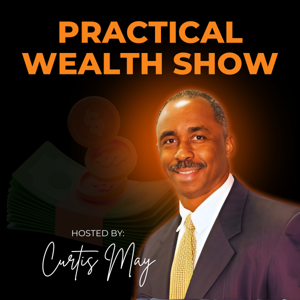

Most people think they live in capitalism. They don't. They live in a permission-based money system—where access to capital requires approval, delays, or debt.
In this episode, Curtis breaks down what capitalism actually is, why most households aren't participating in it, and how Infinite Banking represents household-level capitalism in action.
This isn't political. It's structural.
What you'll learn -Why your biggest money problem is usually lack of liquidity, not lack of income -The difference between capitalism, corporatism, and crony finance -Why most people are trained to save money they can't access -How "buy term and invest the difference" often creates cash-poor households -The three pillars of real financial control: liquidity, control, continuity
Key takeaway If you don't control liquidity, you don't control decisions. And if you don't control decisions, you're not practicing capitalism—you're reacting.
If this episode exposed cracks in your money system, don't try to budget harder. Fix the structure.
Go to practicalwealth.net and book a 15–20 minute Clarity Call to identify where control is leaking and what to fix first.
Links & ResourcesEpisode Resources
Take the Next Step with Curtis May:
Business Owners: Assess Your Challenges with Cash Flow → https://curtis-73no5r8j.scoreapp.com Private Banking Readiness Assessment → https://curtis-qljorw8q.scoreapp.com
How Ready Are You to Be Your Own Bank? → https://curtis-hzw1jezd.scoreapp.com
The Practical Wealth Show with Curtis May
Household economics Personal economy Capitalism without apology Infinite banking Liquidity and control Private reserve strategy Permission-based spending Debt paradigm Capital storage Financial independence Institutional finance Cash flow control
Episode Highlights00:00–01:06 - Capitalism without apology and the idea of a personal economy 01:06–02:04 - Why you can't control the global economy—but you can control your household economy 02:04–02:45 - Capitalism as control, not investments or rates of return 02:45–03:34 - Liquidity defined: why access to money determines decision-making 03:34–05:07 - High income, low liquidity—and why professionals still feel tight 05:07–06:15 - Debt as a symptom of illiquidity, not irresponsibility 06:15–07:36 - What capitalism actually is (and what it isn't) 07:36–08:51 - How locking money away forces life to be financed with debt 08:51–10:01 - The debt paradigm vs the "pay cash" illusion 10:01–11:37 - Institutional rules that shape how people are taught to use money 11:37–12:55 - Why most personal economies show no evidence of financial freedom 12:55–14:15 - Signals, interest rates, and distorted financial behavior 14:15–15:49 - Infinite banking as a system—not a product 15:49–17:16 - Liquidity, control, and uninterrupted compounding 17:16–18:17 - Outsourcing knowledge and control to institutions 18:17–20:12 - Capitalism practiced at the household level—and the call to action
 View all episodes
 By Curtis May
5
4545 ratings
Most people think they live in capitalism. They don't. They live in a permission-based money system—where access to capital requires approval, delays, or debt.
In this episode, Curtis breaks down what capitalism actually is, why most households aren't participating in it, and how Infinite Banking represents household-level capitalism in action.
This isn't political. It's structural.
What you'll learn -Why your biggest money problem is usually lack of liquidity, not lack of income -The difference between capitalism, corporatism, and crony finance -Why most people are trained to save money they can't access -How "buy term and invest the difference" often creates cash-poor households -The three pillars of real financial control: liquidity, control, continuity
Key takeaway If you don't control liquidity, you don't control decisions. And if you don't control decisions, you're not practicing capitalism—you're reacting.
If this episode exposed cracks in your money system, don't try to budget harder. Fix the structure.
Go to practicalwealth.net and book a 15–20 minute Clarity Call to identify where control is leaking and what to fix first.
Links & ResourcesEpisode Resources
Take the Next Step with Curtis May:
Business Owners: Assess Your Challenges with Cash Flow → https://curtis-73no5r8j.scoreapp.com Private Banking Readiness Assessment → https://curtis-qljorw8q.scoreapp.com
How Ready Are You to Be Your Own Bank? → https://curtis-hzw1jezd.scoreapp.com
The Practical Wealth Show with Curtis May
Household economics Personal economy Capitalism without apology Infinite banking Liquidity and control Private reserve strategy Permission-based spending Debt paradigm Capital storage Financial independence Institutional finance Cash flow control
Episode Highlights00:00–01:06 - Capitalism without apology and the idea of a personal economy 01:06–02:04 - Why you can't control the global economy—but you can control your household economy 02:04–02:45 - Capitalism as control, not investments or rates of return 02:45–03:34 - Liquidity defined: why access to money determines decision-making 03:34–05:07 - High income, low liquidity—and why professionals still feel tight 05:07–06:15 - Debt as a symptom of illiquidity, not irresponsibility 06:15–07:36 - What capitalism actually is (and what it isn't) 07:36–08:51 - How locking money away forces life to be financed with debt 08:51–10:01 - The debt paradigm vs the "pay cash" illusion 10:01–11:37 - Institutional rules that shape how people are taught to use money 11:37–12:55 - Why most personal economies show no evidence of financial freedom 12:55–14:15 - Signals, interest rates, and distorted financial behavior 14:15–15:49 - Infinite banking as a system—not a product 15:49–17:16 - Liquidity, control, and uninterrupted compounding 17:16–18:17 - Outsourcing knowledge and control to institutions 18:17–20:12 - Capitalism practiced at the household level—and the call to action
122 Listeners