
Sign up to save your podcasts
Or

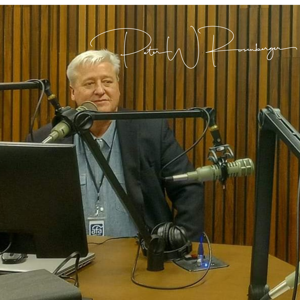

Caregiving often begins with sincere promises made in healthier days. As circumstances change and needs increase, many of us discover that love alone does not equal capacity. Fear, obligation, and guilt can cloud judgment, leaving caregivers overwhelmed and unsure how to make wise, sustainable decisions.
In this episode of Hope for the Caregiver, I explore what happens when caregiving decisions are driven by emotion rather than honest assessment. I explain why difficult family conversations must move from sentiment to stewardship, and why clarity often begins with unglamorous realities that reveal what can actually be sustained.
I also examine why meaningful change must happen at a pace the body and soul can endure. Drawing from decades of caregiving experience and lessons from the world of prosthetics, I reflect on the danger of forcing alignment too quickly. Whether in bodies, families, leadership, or faith, change imposed at an unsustainable speed often collapses, while patient, deliberate steps lead to progress that lasts.
These themes run directly through my caregiving journey with my wife, Gracie. Her recent physical realignment through new prosthetics has been remarkable and painful, underscoring a hard truth caregivers know well: restoration is real, but it cannot be rushed. Alignment requires discipline, wisdom, and time.
The program concludes with a reflection on the hymn Be Still, My Soul. Stillness, I explain, is not passivity, but learning where to place weight when life does not improve. This episode is not about quick fixes. It's about caregiving endurance, sustainable change, and learning how to remain upright when life has been bent for a long time.
 View all episodes
 By Peter Rosenberger

4.8
3333 ratings
Caregiving often begins with sincere promises made in healthier days. As circumstances change and needs increase, many of us discover that love alone does not equal capacity. Fear, obligation, and guilt can cloud judgment, leaving caregivers overwhelmed and unsure how to make wise, sustainable decisions.
In this episode of Hope for the Caregiver, I explore what happens when caregiving decisions are driven by emotion rather than honest assessment. I explain why difficult family conversations must move from sentiment to stewardship, and why clarity often begins with unglamorous realities that reveal what can actually be sustained.
I also examine why meaningful change must happen at a pace the body and soul can endure. Drawing from decades of caregiving experience and lessons from the world of prosthetics, I reflect on the danger of forcing alignment too quickly. Whether in bodies, families, leadership, or faith, change imposed at an unsustainable speed often collapses, while patient, deliberate steps lead to progress that lasts.
These themes run directly through my caregiving journey with my wife, Gracie. Her recent physical realignment through new prosthetics has been remarkable and painful, underscoring a hard truth caregivers know well: restoration is real, but it cannot be rushed. Alignment requires discipline, wisdom, and time.
The program concludes with a reflection on the hymn Be Still, My Soul. Stillness, I explain, is not passivity, but learning where to place weight when life does not improve. This episode is not about quick fixes. It's about caregiving endurance, sustainable change, and learning how to remain upright when life has been bent for a long time.
3,958 Listeners

4,838 Listeners

2,986 Listeners

7 Listeners

7 Listeners

14 Listeners

11 Listeners

14 Listeners
4 Listeners

29 Listeners

9 Listeners

56 Listeners

40,434 Listeners

3 Listeners

1 Listeners

20,222 Listeners
0 Listeners
0 Listeners
16 Listeners
11 Listeners

2 Listeners

24 Listeners

0 Listeners

0 Listeners