https://youtu.be/rkTy96XvGOc
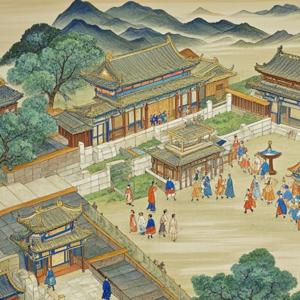
How did China transform from an agrarian empire into a modern economic state?This video tells the story through two remarkable reformers.Zhang Jian, one of the Qing dynasty's greatest Confucian scholars, abandoned the traditional path of government service to build factories and promote private enterprise. His success helped redefine commerce as a force for national strength.At the same time, Zaize led sweeping fiscal reforms that transformed the imperial Ministry of Revenue into a modern Ministry of Finance. He introduced centralized budgeting, professional administration, and one of China's first comprehensive national financial systems.Together, these reforms marked the birth of modern Chinese industry and public finance. Although they could not save the Qing dynasty, they laid the institutional foundations that would shape China's economic future.Discover how entrepreneurs and reformers helped redefine the relationship between the state, the market, and national development at the dawn of modern China.👍 SUPPORT THE CHANNEL https://buymeacoffee.com/sldingWise 👉https://wise.com/pay/me/siland10?utm_source=request_flowIf this documentary helps you understand China’s history and economics,you can support the channel for the price of a coffee each month.or 👇🏻https://www.youtube.com/channel/UCPzyNlqbL2heFLK_JvgV_sw/joinAvailable on Amazon (Kindle / KU),👉https://amzn.to/4uz90yg and also as a PDF for direct access if you prefer reading outside Kindle.👇🏻https://buymeacoffee.com/slding/e/542542📚 This video is based entirely on primary Chinese-language historical sources.🧠 All research, reading, and scriptwriting were done by @ChinaLivingLegends in Chinese.🤖 Modern AI tools (Notion, Xmind, NotebookLM, translation, voice) were used solely for productivity — the insights and narrative are fully human-curated.🔒 © All rights reserved. Please do not reupload or reuse this content without permission.#ChineseHistory#LateQing#EconomicHistory#HistoryDocumentary#Industrialization#FinancialHistory#ModernChina