
Sign up to save your podcasts
Or

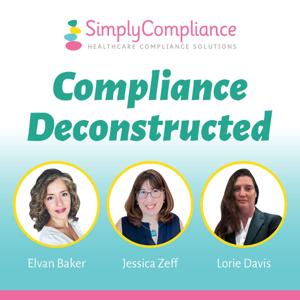


Healthcare providers continue to face growing pressure to improve patient outcomes while meeting evolving regulatory expectations, and this episode of Compliance Deconstructed breaks down how the Merit-based Incentive Payment System (MIPS) shapes modern healthcare compliance and quality reporting. Jessica Zeff, Lorie Davis, and Elvan Baker explain how MIPS creates measurable standards for quality care and why healthcare organizations need a practical strategy for managing performance across multiple reporting categories.
The conversation explores the four pillars of MIPS, including Quality, Cost, Improvement Activities, and Promoting Interoperability, while providing real-world examples of how these metrics impact healthcare providers on a daily basis. The hosts discuss how quality measures influence patient care workflows, how cost tracking affects reimbursement, and why interoperability continues to play a growing role in coordinated healthcare delivery.
Once you press play, you’ll gain actionable insights into how healthcare organizations can build stronger compliance processes by integrating MIPS requirements directly into clinical operations and electronic health record systems. This episode also highlights the importance of monitoring performance data consistently, engaging in ongoing improvement activities, and understanding the reasoning behind quality measures instead of approaching reporting as a checkbox exercise.
Jessica, Lorie, and Elvan bring an approachable perspective to a topic that often feels overwhelming for healthcare professionals navigating compliance obligations and government reporting programs. Their discussion provides healthcare leaders, administrators, and compliance professionals with a clearer understanding of how MIPS participation can support operational efficiency, strengthen patient outcomes, and position organizations for long-term success in value-based care environments.
Key takeaways from this episode:
Don't miss this year's HCCA Conference in Pittsburgh! Click here for all the info.
Learn more about Healthcare Compliance and discover how Simply Compliance can help your company at simplycomplianceconsulting.com.
HEDIS measures, developed by the National Committee for Quality Assurance, provide a standardized framework for evaluating healthcare quality across health plans and provider organizations. In Episode 24 of Compliance Deconstructed, Jessica Zeff and Lorie Davis break down how the Healthcare Effectiveness Data and Information Set (HEDIS) supports consistent performance measurement and drives improved patient outcomes.
Today’s conversation explores how HEDIS measures track key areas such as preventative care, chronic disease management, behavioral health, access to care, and patient experience. These categories help healthcare organizations identify whether patients are receiving evidence-based services, while also highlighting opportunities to improve engagement and care delivery.
Jessica and Lorie explain the HEDIS data collection process, including the use of claims data, chart chase efforts, and medical record abstraction to validate performance. This process ensures that healthcare organizations capture accurate and complete data, which is essential for reporting, regulatory compliance, and quality improvement initiatives.
The episode also emphasizes the importance of identifying and closing care gaps, along with the critical role compliance plays in maintaining data integrity, privacy, and adherence to regulations. By integrating compliance into every stage of HEDIS planning and execution, healthcare organizations can reduce risk, support accreditation efforts, and strengthen overall performance.
Key Takeaways:
Don't miss this year's HCCA Conference in Pittsburgh! Click here for all the info.
Learn more about Healthcare Compliance and discover how Simply Compliance can help your company at simplycomplianceconsulting.com.
This episode of Compliance Deconstructed is brought to you by Jessica Zeff of Simply Compliance and features Emma Howard of Cozza Law Group. Together, they focus on medical spa compliance and Managed Service Organizations (MSOs). This episode explores how MSOs help medical spa owners navigate complex healthcare regulations and maintain legal compliance.
The conversation breaks down the corporate practice of medicine doctrine, explaining how state-specific laws impact who can own and operate a medical spa. Emma highlights how compliance structures like MSOs create a legal separation between clinical care and business operations to reduce regulatory risk.
As you consume this episode, you’ll learn how the two-entity MSO model, consisting of a physician-owned medical company and a non-clinical services company, supports compliant medical spa ownership. The episode also explains the importance of a Management Services Agreement (MSA) in defining roles, responsibilities, and financial arrangements between entities.
Jessica and Emma also discuss key compliance risks, including fee splitting, unauthorized practice of medicine, and improper operational control. This in-depth conversation provides actionable guidance for building compliant healthcare business models, improving risk management, and ensuring long-term operational success.
Key Takeaways:
Don't miss this year's HCCA Conference in Pittsburgh! Click here for all the info.
Learn more about Healthcare Compliance and discover how Simply Compliance can help your company at simplycomplianceconsulting.com.
In this episode of Compliance Deconstructed, hosts Jessica Zeff, Elvan Baker, and Lorie Davis challenge the outdated perception of compliance as a rigid, rule-enforcing function and instead position it as a dynamic, strategic driver within healthcare organizations. They explore how modern healthcare compliance professionals contribute to organizational success by blending regulatory expertise with communication, trust-building, and leadership skills.
The conversation begins with the critical role of ethics and trust in building an effective compliance program, emphasizing the importance of approachability and integrity in healthcare compliance leadership. The hosts highlight how creating a safe environment for reporting concerns strengthens compliance outcomes and prevents small issues from escalating into major regulatory risks.
Accountability and empathy emerge as essential qualities for compliance professionals, particularly in complex healthcare environments where fairness and consistency must guide every decision. The discussion underscores how empathetic problem-solving improves collaboration, helping compliance officers address challenges while maintaining strong relationships across clinical and administrative teams.
Finally, the episode reframes compliance as an educational function, encouraging professionals to shift from being the “department of no” to the “department of know.” By focusing on training, communication, and continuous learning, compliance leaders can empower employees to make informed decisions, ultimately strengthening organizational integrity and long-term regulatory success.
Key Takeaways:
Don't miss this year's HCCA Conference in Pittsburgh! Click here for all the info.
Learn more about Healthcare Compliance and discover how Simply Compliance can help your company at simplycomplianceconsulting.com.
On this episode of Compliance Deconstructed, hosts Jessica Zeff, Lorie Davis, and Elvan Baker explore the critical non-clinical skills every healthcare professional must master to succeed beyond medical training. Listeners will learn why clinical expertise alone is not enough in today’s complex healthcare environment and how gaps in business, regulatory, and operational knowledge can lead to stress, burnout, and compliance risk.
The conversation dives into the business of healthcare, breaking down revenue cycles, insurance dynamics, billing practices, and operational costs that directly impact patient care and organizational sustainability. Jessica, Lorie, and Elvan explain how understanding financial workflows and administrative systems empowers clinicians to reduce delays, improve efficiency, and strengthen overall practice performance.
Episode 21 also unpacks the regulatory landscape shaping modern healthcare, including the requirements of Health Insurance Portability and Accountability Act (HIPAA), billing compliance standards, and the protection of Protected Health Information (PHI). The hosts discuss real-world compliance pitfalls, personal liability risks, and why safeguarding patient privacy is not just a rule, but a civil right central to ethical care delivery.
Additionally, the discussion turns to business ethics, physician relationships, and the legal boundaries defined by the Stark Law and the Anti-Kickback Statute. Listeners will gain practical strategies for navigating administrative burdens like prior authorizations, avoiding improper financial arrangements, and building a sustainable healthcare career rooted in compliance, transparency, and operational excellence.
Key Takeaways from This Episode:
Don't miss this year's HCCA Conference in Pittsburgh! Click here for all the info.
Learn more about Healthcare Compliance and discover how Simply Compliance can help your company at simplycomplianceconsulting.com.
In this episode of Compliance Deconstructed, hosts Jessica Zeff and Elvan Baker explore why written policies and procedures are foundational to business success, risk mitigation, and regulatory compliance. Throughout this conversation, they break down how documented guidance eliminates confusion, creates operational consistency, and protects organizations from unnecessary legal and financial exposure.
Clear, well-written policies function as a company’s rulebook by defining expectations, outlining responsibilities, and standardizing processes across departments. When employees have accessible, written procedures to reference, organizations reduce misinterpretation, improve accountability, and strengthen internal controls.
Jessica and Elvan also examine the critical role policies play in legal and regulatory compliance, especially in highly regulated industries like healthcare. Documented policies demonstrate due diligence during audits, investigations, and compliance reviews, while routine updates ensure alignment with evolving laws, industry standards, and regulatory requirements.
The episode concludes with a practical, step-by-step framework for developing effective policies and procedures, including stakeholder collaboration, structured drafting, training, and ongoing review. The hosts also discuss how AI and LLM tools can assist with brainstorming and drafting, while emphasizing that human expertise, organizational context, and compliance insight remain essential to producing policies that truly protect and support the business.
Key Takeaways
Don't miss this year's HCCA Conference in Pittsburgh! Click here for all the info.
Learn more about Healthcare Compliance and discover how Simply Compliance can help your company at simplycomplianceconsulting.com.
In this episode of Compliance Deconstructed, hosts Jessica Zeff, Elvan Baker, and Lorie Davis unpack the true meaning of whistleblowing in healthcare compliance and why speaking up is essential to protecting patients and public funds. They explore how whistleblowing differs from gossip or tattling, emphasizing that good faith reporting is rooted in observed facts, regulatory violations, and unresolved internal concerns, not rumors or personal grievances.
This thorough discussion highlights real-world healthcare scenarios, including pharmaceutical off-label promotion and falsified patient records, to demonstrate how compliance failures can escalate into systemic wrongdoing. By clarifying the distinction between minor workplace issues and serious fraud, the hosts provide compliance professionals with practical insight into when concerns rise to the level of protected whistleblower activity.
A major focus of the episode is the legal framework surrounding whistleblowing, including the Qui Tam provisions under the False Claims Act that allow individuals to report fraud against government healthcare programs and potentially receive a financial award. The hosts explain how these incentives are designed to offset the personal and professional risks whistleblowers face, while reinforcing that most individuals are motivated by ethics, accountability, and patient safety over financial gain.
Finally, the conversation turns to building a culture of trust within healthcare organizations through strong non-retaliation policies, confidential reporting channels, and responsive compliance programs. By fostering psychological safety and taking internal reports seriously, organizations can address misconduct early, reduce regulatory exposure, and strengthen overall compliance governance.
Key Takeaways from This Episode
Don't miss this year's HCCA Conference in Pittsburgh! Click here for all the info.
Learn more about Healthcare Compliance and discover how Simply Compliance can help your company at simplycomplianceconsulting.com.
Continuous learning is essential for healthcare compliance professionals navigating constant regulatory updates, operational changes, and emerging risks. In this episode of Compliance Deconstructed, hosts Jessica Zeff, Lorie Davis, and Elvan Baker explore why ongoing professional development is critical to staying effective, confident, and compliant in a rapidly evolving healthcare industry.
This in-depth discussion highlights how professional development goes beyond certifications and formal training to include practical, day-to-day learning opportunities. From mastering new technologies to sharpening problem-solving skills, continuous learning helps compliance professionals remain relevant and prepared for audits, investigations, and organizational change.
You will also hear how networking, peer collaboration, and industry engagement play a vital role in compliance education. Conferences, association meetings, and professional communities create space for shared experiences, innovative solutions, and real-world insights that cannot be found in policy manuals alone.
Finally, this info-packed episode emphasizes the value of mentorship, coaching, and embracing new challenges within compliance roles. By stepping outside comfort zones, seeking guidance from experienced professionals, and reflecting on lessons learned, compliance leaders can strengthen their skill sets and build resilient, future-ready careers.
Key Takeaways
Don't miss this year's HCCA Conference in Pittsburgh! Click here for all the info.
Learn more about Healthcare Compliance and discover how Simply Compliance can help your company at simplycomplianceconsulting.com.
Medicaid audits play a critical role in ensuring healthcare organizations meet compliance, quality, and contractual requirements, and this episode of Compliance Deconstructed breaks down what providers and health plans need to know. Hosts Jessica Zeff, Lorie Davis, and Elvan Baker explore how ECRO and ISCA audits function within Medicaid programs and why understanding them is essential for operational success.
Throughout this in-depth conversation, your hosts explain that ECRO audits, conducted by External Quality Review Organizations, focus on evaluating the quality of care, member services, and adherence to state and federal Medicaid standards.
ISCA audits concentrate on internal systems capability, including data integrity, IT security, and the reliability of systems used to manage Medicaid services and member information.
You will learn that Medicaid audit processes vary by state, with some states conducting comprehensive annual reviews and others using staggered or rotating audit schedules. Lorie, Jessica, and Elvan emphasize the importance of knowing state-specific requirements and timelines to ensure audit readiness and avoid compliance gaps.
The conversation also highlights the importance of contracts, protocols, and staff preparation in successful audit outcomes. By understanding contractual obligations, educating staff on their roles, and practicing audit readiness through mock interviews and data reviews, organizations can approach ECRO and ISCA audits with greater confidence and clarity.
Key Takeaways
Don't miss this year's HCCA Conference in Pittsburgh! Click here for all the info.
Learn more about Healthcare Compliance and discover how Simply Compliance can help your company at simplycomplianceconsulting.com.
In this episode of Compliance Deconstructed, hosts Jessica Zeff, Lorie Davis, and Elvan Baker unpack why whistleblowing remains a critical pillar of effective healthcare compliance programs. They explore how speaking up about concerns - whether ethical, operational, or regulatory - helps healthcare organizations identify risks early and protect patients, staff, and reputation.
This in-depth discussion reframes whistleblowing as a proactive compliance tool rather than an act of disloyalty, especially within highly regulated healthcare environments. The hosts explain how fostering transparency and psychological safety strengthens compliance culture and supports long-term organizational integrity.
Jessica, Lorie, and Elvan also examine the tension between perceived loyalty and truth-telling in healthcare workplaces. They highlight how leadership attitudes and “all-or-nothing” cultures can unintentionally discourage reporting and increase compliance and regulatory risk.
This episode concludes with practical guidance for building safe, trusted reporting systems in healthcare organizations. From non-retaliation policies to multiple reporting channels, you’ll get an outline of actionable steps compliance leaders can take to encourage employees to raise concerns before small issues become systemic failures.
Key Takeaways
Don't miss this year's HCCA Conference in Pittsburgh! Click here for all the info.
Learn more about Healthcare Compliance and discover how Simply Compliance can help your company at simplycomplianceconsulting.com.
From the publisher's feed
Welcome to Compliance Deconstructed, a podcast dedicated to all things Healthcare Compliance.
Hosted by Healthcare Compliance professionals Jessica Zeff, Lorie Davis, and Elvan Baker, each…
Click play and join us for an episode today!