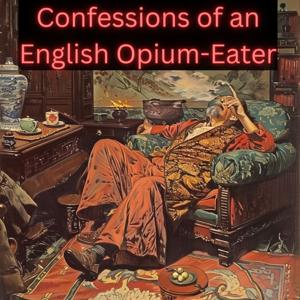
"Confessions of an English Opium-Eater" by Thomas de Quincey is a sophisticated exploration of identity, memory, and the complexities of addiction, rendered in a majestic neoclassical style that captivates the reader. This autobiographical work, often perceived as a collage of poignant memories and temporal digressions, delves into the author's feverish scrutiny of his life and his quest for self-understanding amidst the throes of opium use. While it hints at the horrors associated with addiction, these passages are interwoven with a broader narrative that elevates the text beyond mere sensationalism, positioning it within the realm of intellectual discourse. The book's enduring appeal lies in its self-reflexive nature and its ability to engage the reader in a profound dialogue about the enigmas of existence, making it a timeless reflection on the human condition and the intricate dance between pleasure and pain.