Conjure Woman

Conjure Woman

By Charles Waddell ChesnuttHealth & FitnessArtsBooksFitness
Download on the App Store

Conjure Woman episodes

  • Marrow of Tradition-Charles Waddell Chesnutt
    Published in 1899 by Houghton Mifflin, Chesnutt's first book, The Conjure Woman, was a collection of seven short stories, all set in "Patesville" (Fayetteville), North Carolina. While drawing from local color traditions and relying on dialect, Chesnutt's tales of conjuring, a form of magic rooted in African hoodoo, refused to romanticize slave life or the "Old South." Though necessarily informed by Joel Chandler Harris's popular Uncle Remus stories and Thomas Nelson Page's plantation fiction, The Conjure Woman consciously moved away from these models, instead offering an almost biting examination of pre- and post-Civil War race relations.These seven short stories use a frame narrator, John, a white carpetbagger who has moved south to protect his wife Annie's failing health and to begin cultivating a grape vineyard. Enamored by remnants of the plantation world, John portrays the South in largely idealistic terms. Yet Uncle Julius McAdoo, the ex-slave and "trickster" figure extraordinaire who narrates the internal story lines, presents a remarkably different view of Southern life. His accounts include Aun' Peggy's conjure spells in "Mars Jeems's Nightmare," "Po' Sandy," "Sis' Becky's Pickaninny," and "Hot Foot Hannibal" as well as those of free black conjure men in "The Conjurer's Revenge" and "The Gray Wolf's Ha'nt." These conjure tales reveal moments of active black resistance to white oppression in addition to calculated (and even self-motivated) plots of revenge. (Introduction provided by Documenting the American South)

    This episode includes AI-generated content.

    9 hr 53 min
  • Satan's Diary-Leonid Nikolayevich Andreyev
    Published in 1899 by Houghton Mifflin, Chesnutt's first book, The Conjure Woman, was a collection of seven short stories, all set in "Patesville" (Fayetteville), North Carolina. While drawing from local color traditions and relying on dialect, Chesnutt's tales of conjuring, a form of magic rooted in African hoodoo, refused to romanticize slave life or the "Old South." Though necessarily informed by Joel Chandler Harris's popular Uncle Remus stories and Thomas Nelson Page's plantation fiction, The Conjure Woman consciously moved away from these models, instead offering an almost biting examination of pre- and post-Civil War race relations.These seven short stories use a frame narrator, John, a white carpetbagger who has moved south to protect his wife Annie's failing health and to begin cultivating a grape vineyard. Enamored by remnants of the plantation world, John portrays the South in largely idealistic terms. Yet Uncle Julius McAdoo, the ex-slave and "trickster" figure extraordinaire who narrates the internal story lines, presents a remarkably different view of Southern life. His accounts include Aun' Peggy's conjure spells in "Mars Jeems's Nightmare," "Po' Sandy," "Sis' Becky's Pickaninny," and "Hot Foot Hannibal" as well as those of free black conjure men in "The Conjurer's Revenge" and "The Gray Wolf's Ha'nt." These conjure tales reveal moments of active black resistance to white oppression in addition to calculated (and even self-motivated) plots of revenge. (Introduction provided by Documenting the American South)

    This episode includes AI-generated content.
    8 hr 51 min
  • John Dough and the Cherub-L. Frank Baum
    Published in 1899 by Houghton Mifflin, Chesnutt's first book, The Conjure Woman, was a collection of seven short stories, all set in "Patesville" (Fayetteville), North Carolina. While drawing from local color traditions and relying on dialect, Chesnutt's tales of conjuring, a form of magic rooted in African hoodoo, refused to romanticize slave life or the "Old South." Though necessarily informed by Joel Chandler Harris's popular Uncle Remus stories and Thomas Nelson Page's plantation fiction, The Conjure Woman consciously moved away from these models, instead offering an almost biting examination of pre- and post-Civil War race relations.These seven short stories use a frame narrator, John, a white carpetbagger who has moved south to protect his wife Annie's failing health and to begin cultivating a grape vineyard. Enamored by remnants of the plantation world, John portrays the South in largely idealistic terms. Yet Uncle Julius McAdoo, the ex-slave and "trickster" figure extraordinaire who narrates the internal story lines, presents a remarkably different view of Southern life. His accounts include Aun' Peggy's conjure spells in "Mars Jeems's Nightmare," "Po' Sandy," "Sis' Becky's Pickaninny," and "Hot Foot Hannibal" as well as those of free black conjure men in "The Conjurer's Revenge" and "The Gray Wolf's Ha'nt." These conjure tales reveal moments of active black resistance to white oppression in addition to calculated (and even self-motivated) plots of revenge. (Introduction provided by Documenting the American South)

    This episode includes AI-generated content.
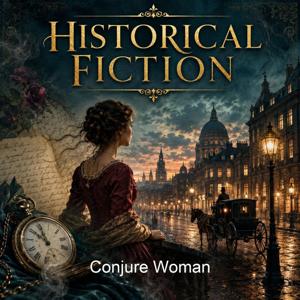
    4 hr 28 min
  • Watsons (Dramatic Reading) - Jane Austen, L. Oulton
    "Watsons (Dramatic Reading)" by Jane Austen, L. Oulton invites listeners into the world of one of Austen's lesser-known works, showcasing her signature wit and keen observations on social dynamics. This story delves into themes of family, love, and the complexities of societal expectations, making it a timeless exploration of human relationships. The dramatic reading format enhances the emotional depth and nuance of Austen's prose, bringing her characters to life in a way that resonates with contemporary audiences. As we navigate our own social landscapes today, the insights into human behavior and the quest for belonging in "Watsons" remain strikingly relevant, reminding us of the enduring nature of Austen's storytelling.

    This episode includes AI-generated content.
    3 hr 54 min
  • Conjure Woman - Charles Waddell Chesnutt
    Published in 1899 by Houghton Mifflin, Chesnutt's first book, The Conjure Woman, was a collection of seven short stories, all set in "Patesville" (Fayetteville), North Carolina. While drawing from local color traditions and relying on dialect, Chesnutt's tales of conjuring, a form of magic rooted in African hoodoo, refused to romanticize slave life or the "Old South." Though necessarily informed by Joel Chandler Harris's popular Uncle Remus stories and Thomas Nelson Page's plantation fiction, The Conjure Woman consciously moved away from these models, instead offering an almost biting examination of pre- and post-Civil War race relations.These seven short stories use a frame narrator, John, a white carpetbagger who has moved south to protect his wife Annie's failing health and to begin cultivating a grape vineyard. Enamored by remnants of the plantation world, John portrays the South in largely idealistic terms. Yet Uncle Julius McAdoo, the ex-slave and "trickster" figure extraordinaire who narrates the internal story lines, presents a remarkably different view of Southern life. His accounts include Aun' Peggy's conjure spells in "Mars Jeems's Nightmare," "Po' Sandy," "Sis' Becky's Pickaninny," and "Hot Foot Hannibal" as well as those of free black conjure men in "The Conjurer's Revenge" and "The Gray Wolf's Ha'nt." These conjure tales reveal moments of active black resistance to white oppression in addition to calculated (and even self-motivated) plots of revenge. (Introduction provided by Documenting the American South)

    This episode includes AI-generated content.

    3 hr 40 min

About Conjure Woman

From the publisher's feed

Published in 1899 by Houghton Mifflin, Chesnutt's first book, The Conjure Woman, was a collection of seven short stories, all set in "Patesville" (Fayetteville), North Carolina. While drawing from…
