
Sign up to save your podcasts
Or

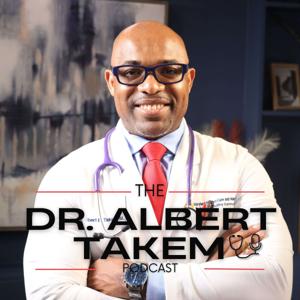


In this episode of the Daily Brief, Dr. Albert Takem talks with breast surgeon Dr. Regina Hampton, co-founder of Breast Care for Washington, about patients who postpone proven cancer treatment for supplements, home remedies and other alternative approaches, and what she has seen happen when they do.
Dr. Hampton shares the story of a patient who wanted to drink hydrogen peroxide to shrink her cancer. They agreed on 30 days and a follow-up ultrasound. The tumor had not changed, and the patient then agreed to treatment. Not every story ends that way. A young woman who chose naturopathic care instead of treatment saw her tumor keep growing until it could no longer be operated on, and she died, leaving young children and a husband. Dr. Hampton also explains something many patients don't know: a lot of the medicines doctors prescribe, including several chemotherapy drugs, were developed from plants. And she describes a patient who agreed to surgery but declined the chemotherapy and radiation recommended after it, and who came back a year later with a new lump.
In this episode, Dr. Takem and Dr. Hampton explain:
• Why "natural" can feel more reassuring than proven treatment
• Why so many patients ask for a natural cure after a diagnosis
• How many prescribed medicines, including chemotherapy, come from plants
• What happened when a patient tried hydrogen peroxide for 30 days
• How delaying treatment can let a tumor grow past the point of surgery
• Why the treatment recommended after surgery matters
The goal is not to dismiss anyone's wish to be healthy or to know what goes into their body. The goal is to make sure a cancer diagnosis is met with a treatment plan based on evidence, decided together with your doctors.
Questions for Dr. Takem and the team
💡 Start your journey today with Maryland Primary Care & Wellness
Book your consultation: https://www.maryland-primarycare.com/
Your muscles started aching after you began a statin, so you stopped taking it. Was that the right call?
Statins can cause muscle symptoms—but "my muscles hurt while I was taking a statin" and "statins are dangerous for me" are two very different conclusions.
In this episode of the Daily Brief, Dr. Albert Takem explains why muscle pain is one of the most common reasons patients stop a statin, what the research actually shows about statin-associated muscle symptoms, and how clinicians work out whether the medication is really responsible.
Statin-associated muscle symptoms are real. They can include aching, soreness, weakness, or cramping. But when researchers compare statins with placebo in blinded randomized trials, the difference in reported muscle symptoms between the groups is much smaller than many people expect. Muscle pain is extremely common even in people who don't take statins: exercise, aging, arthritis, injuries, thyroid disorders, vitamin deficiencies, and other medications can all contribute. Expectation can also shape how symptoms are experienced, which is sometimes called the nocebo effect.
Rhabdomyolysis, a severe muscle injury that can damage the kidneys, is a rare but serious complication that deserves prompt medical attention. For everyday aches, though, there is a lot of medicine between ignoring the patient and abandoning cholesterol treatment forever: lowering the dose, trying a different statin, adjusting how the medication is taken, looking for another cause, or, when appropriate, using a non-statin LDL-lowering option.
Questions for Dr. Takem and the team
💡 Start your journey today with Maryland Primary Care & Wellness
Book your consultation: https://www.maryland-primarycare.com/
Breast cancer runs in your family. But do you know who had it, and how old they were? That one detail can change when you should start screening.
In this episode of the Daily Brief, Dr. Albert Takem talks with breast surgeon Dr. Regina Hampton, co-founder of Breast Care for Washington, about why so many families stay silent about their health history, and why that silence can cost the next generation time. Knowing that breast cancer runs in the family is useful. Knowing exactly who was diagnosed and at what age is even more important. When a mother or grandmother was diagnosed young, the women in that family are often advised to start screening earlier. Dr. Hampton explains the rule of thumb she gives patients: start about ten years before the age at which your relative was diagnosed. Your own doctor will tailor this to your history.
Many families never talk about it. A grandmother "only had one breast", or someone "got chemotherapy", but nobody said the word cancer. Dr. Hampton shares a simple, low-pressure way to collect that information at the next family gathering, and what to do with it once you have it. Cost should not be the reason you skip a mammogram. The CDC's National Breast and Cervical Cancer Early Detection Program, available in every state, offers free or low-cost mammograms and Pap tests to women who qualify based on income and insurance. Your local health department can tell you whether you are eligible.
In this episode, Dr. Takem and Dr. Hampton explain:
• Why families stay silent about their health history
• What to write down: who had the condition and the age at diagnosis
• How the index-card method works at a family cookout
• Why the age at diagnosis matters as much as the diagnosis itself
• When women with a family history may need to start mammograms earlier
• What options exist when cost or lack of insurance is the barrier
• How to take what you learn to your own doctor
The goal is not to make family gatherings uncomfortable. The goal is to give the next generation the
information that can help them find cancer early, when it is most treatable.
Questions for Dr. Takem and the team
💡 Start your journey today with Maryland Primary Care & Wellness
Book your consultation: https://www.maryland-primarycare.com/
You've been prescribed a statin. But you've heard it can cause dementia and memory loss. Should you be worried?
That concern deserves a clear answer, but a memory change after starting a medication and proof that the medication caused it are not the same thing.
In this episode of the Daily Brief, Dr. Albert Takem explains where the fear that statins cause dementia comes from, why a memory change after starting a medication is not the same as proof that the medication caused it, and how clinicians weigh cognitive concerns against the risk of a heart attack or stroke.
Statins are among the most commonly prescribed medications in the world, and decades of use have produced a large body of safety information. Some patients have reported forgetfulness or confusion while taking a statin, and those reports deserve attention. But when researchers have looked at randomized trials and larger bodies of evidence, they have not found convincing evidence that statins cause dementia or progressive cognitive decline. Timing also matters: the people most likely to take a statin, such as older adults and people with diabetes, high blood pressure or vascular disease, are often the same people more likely to develop memory problems.
Your brain depends on healthy blood flow. Strokes, small vascular injuries, high blood pressure, diabetes, smoking and atherosclerosis can all contribute to cognitive decline. Statins are not a universal dementia-prevention medication, and dementia has many causes. The point is narrower: the evidence does not support telling patients that statins cause dementia, and fear of dementia should not automatically drive someone away from statin therapy they need.
In this episode, Dr. Takem explains:
• Why "something happened after the medication" is not the same as "because of the medication"
• What randomized trials and larger studies show about statins and dementia
• How a reported symptom becomes a safety signal, and why a signal alone does not prove causation
• Why vascular health, blood pressure and diabetes matter for your brain
• How to judge any claim that a medication causes a disease
• What to tell your clinician if you notice memory changes on any medication
• Why you should not stop a prescribed statin because of a social media claim
• How to weigh the risk of treatment against the risk of not treating
The goal is not to dismiss memory concerns or claim that statins have no side effects. The goal is to make statin decisions based on the evidence and your own risk, together with your clinician, not on the scariest version of a story.
ABOUT MPCW
Maryland Primary Care and Wellness (MPCW) provides comprehensive primary care focused on prevention, chronic disease management, and helping patients understand the decisions that affect their long-term health.
WHO THIS VIDEO IS FOR
This video is for anyone taking or considering a statin who is worried about memory loss or dementia. It may also be helpful if you have high cholesterol, high blood pressure, diabetes, a family history of dementia, or questions about protecting both your heart and your brain.
MEDICAL DISCLAIMER
This content is for educational purposes only and is not a substitute for individualized medical advice, diagnosis, or treatment. Do not stop or change a prescribed medication without discussing it with your healthcare professional.
CONTACT
🌐 Maryland Primary Care & Wellness
https://www.maryland-primarycare.com/
📞 301-627-3500
📍 Upper Marlboro & Silver Spring, Maryland
Questions for Dr. Takem and the team
💡 Start your journey today with Maryland Primary Care & Wellness
Book your consultation: https://www.maryland-primarycare.com/
You've been putting off your mammogram. Maybe the last one hurt, or someone online said the radiation could cause cancer.
Those fears are real, but delaying a mammogram can turn a treatable lump into a much harder diagnosis.
In this episode of the Daily Brief, Dr. Albert Takem speaks with Dr. Regina Hampton, a breast surgeon and co-founder of Breast Care for Washington, about why women delay mammograms and what years of caring for breast cancer patients have taught her about the cost of that delay.
Dr. Hampton shares the story of a patient who found a lump, chose supplements instead of a workup, and returned with stage four breast cancer that could have been treated when it was found. She is clear that no natural remedy has been shown to cure breast cancer, and that surgery, chemotherapy and radiation remain the proven treatments.
They also answer the basic questions directly: what a mammogram is, why the breast is compressed between plates, whether it hurts, whether mammograms save lives, and whether they cause cancer. Dr. Takem also responds to a viral social media video telling women to avoid mammograms because of radiation.
In this episode, Dr. Takem explains:
• Why fear, past discomfort and misinformation lead women to delay mammograms
• What happened when one patient chose supplements over a breast cancer workup
• Why no natural remedy has been shown to cure breast cancer
• What a mammogram is and how it uses X-rays to look inside the breast
• Why compression gives a clearer image, and why the discomfort lasts only seconds
• Whether mammograms save lives and whether they cause cancer
• How to judge who is giving health advice on social media
• Why your annual physical is the place to review your screening needs
The goal is not to dismiss the fear or the discomfort. The goal is to make the screening decision with accurate information, before a lump becomes a diagnosis that is much harder to treat.
ABOUT MPCW
Maryland Primary Care and Wellness (MPCW) provides comprehensive primary care focused on prevention, chronic disease management, and helping patients understand the decisions that affect their long-term health.
MEDICAL DISCLAIMER
This content is for educational purposes only and is not a substitute for individualized medical advice, diagnosis, or treatment. Do not stop or change a prescribed medication without discussing it with your healthcare professional.
CONTACT
🌐 Maryland Primary Care & Wellness
https://www.maryland-primarycare.com/
📞 301-627-3500
📍 Upper Marlboro & Silver Spring, Maryland
Questions for Dr. Takem and the team
💡 Start your journey today with Maryland Primary Care & Wellness
Book your consultation: https://www.maryland-primarycare.com/
Have you avoided a statin because you heard it could damage your liver? That concern deserves a clear explanation—not dismissal, and not a frightening claim without context.
In this episode of the Daily Brief, Dr. Albert Takem separates the real concerns about statins and liver health from the misconception that these medications routinely destroy the liver. He explains why a change in liver enzymes is different from serious liver injury, and how doctors weigh medication risks against the risk of a heart attack or stroke.
We discuss:
• How statins work in the liver to lower LDL cholesterol
• Why elevated liver enzymes do not automatically mean liver failure
• How clinicians decide when liver testing is needed
• Why fatty liver disease does not automatically rule out statin treatment
• How alcohol, supplements, other medications, and exercise can affect the interpretation of liver tests
• What to discuss with your doctor before changing or stopping your medication
Your concerns matter. The goal is to understand the benefits and risks in your situation and make an informed decision with your clinician.
Questions for Dr. Takem and the team
💡 Start your journey today with Maryland Primary Care & Wellness
Book your consultation: https://www.maryland-primarycare.com/
Your cholesterol was high. You started a statin. Now your numbers look normal. So why are you still taking the medication?
It’s a reasonable question, but a normal cholesterol result doesn’t necessarily mean the problem has disappeared. Sometimes it means the treatment is doing exactly what it was prescribed to do.
In this episode of the Daily Brief, Dr. Albert Takem explains why statins are prescribed to reduce cardiovascular risk, not simply to make a lab number look better. He breaks down how LDL contributes to plaque formation, how statins lower LDL and help stabilize plaque, and why your overall risk matters when deciding whether treatment should continue.
We discuss:
• Why a lower LDL doesn’t automatically mean you no longer need a statin
• How LDL contributes to atherosclerosis, heart attack, and ischemic stroke
• What statins actually do beyond lowering a cholesterol number
• Why age, smoking, diabetes, blood pressure, kidney disease, and medical history matter
• When it may be appropriate to reconsider statin therapy
• Why lifestyle changes still matter even when medication is working
• Why you should talk with your clinician before stopping a statin
The goal isn’t to keep everyone on a statin forever. It’s to understand why the medication was prescribed, what risk it is treating, and whether that reason still applies to you.
Questions for Dr. Takem and the team
💡 Start your journey today with Maryland Primary Care & Wellness
Book your consultation: https://www.maryland-primarycare.com/
Does starting blood pressure medication mean you’ll be stuck taking it forever?
It’s one of the most common concerns Dr. Albert Takem hears from patients. But the better question isn’t simply whether you can stop the medication someday. It’s why you need it now—and what would have to change for you to safely reduce or discontinue it.
In this episode, Dr. Takem explains why needing ongoing treatment does not mean your body has become dependent on blood pressure medication. Most hypertension is influenced by many factors, including genetics, age, weight, diet, physical activity, sleep, alcohol, kidney function, hormones, and other medical conditions.
We discuss:
• Why blood pressure rising after stopping medication does not necessarily mean dependence
• The difference between treating hypertension and curing its underlying causes
• Why Dr. Takem compares blood pressure medicine to glasses or hearing aids
• When weight loss, exercise, treating sleep apnea, reducing alcohol, or correcting another medical problem may reduce medication needs
• Why hypertension is not like a short course of antibiotics
• Why normal blood pressure while taking medication does not automatically mean the treatment is no longer needed
• Five questions and actions to discuss with your doctor if you want to reduce your medication
• Why the real goal is the lowest amount of treatment necessary to protect your health
Some patients eventually need less medication, and some are able to discontinue it under medical supervision. Others continue treatment because the underlying hypertension remains. The goal is not to prove that you can live without medication—it is to protect your health and reduce your long-term risk with the least treatment necessary.
Questions for Dr. Takem and the team
💡 Start your journey today with Maryland Primary Care & Wellness
Book your consultation: https://www.maryland-primarycare.com/
Bariatric surgery can change how much you’re able to eat—but it doesn’t automatically change the habits, emotions, and behaviors that contributed to weight gain in the first place.
In this episode, Dr. Albert Takem continues his conversation with Annika, who has lost 90 pounds and is now maintaining her weight. She explains why surgery was an important tool in her journey, but never a cure, and why learning to listen to her body became essential to lasting progress.
They discuss:
Bariatric surgery can create a powerful opportunity for change, but long-term success still depends on what happens afterward. Annika’s experience is a reminder that feeling stuck doesn’t mean the treatment has failed, and that asking for support can be part of moving forward.
Questions for Dr. Takem and the team
💡 Start your journey today with Maryland Primary Care & Wellness
Book your consultation: https://www.maryland-primarycare.com/
Stress absolutely can raise your blood pressure. But does that mean a high reading can simply be dismissed as “just stress”?
In this episode of the Daily Brief Podcast, Dr. Albert Takem explains why the answer is more complicated. A stressful day, anxiety, poor sleep, or even being in the doctor’s office can temporarily push blood pressure higher. But when elevated readings keep appearing, the important question is not whether stress is involved—it’s what your blood pressure is actually doing over time.
Dr. Takem discusses white coat hypertension, why a single office reading is not enough to diagnose chronic hypertension, and how home or ambulatory blood pressure monitoring can reveal what is happening during everyday life.
We discuss:
Stress may be part of the explanation. The goal is to measure properly, look at the pattern, and use real evidence to determine whether your blood pressure is truly normal outside the doctor’s office.
Questions for Dr. Takem and the team
💡 Start your journey today with Maryland Primary Care & Wellness
Book your consultation: https://www.maryland-primarycare.com/
From the publisher's feed
We tackle the health topics no one else wants to touch 💉🧠
—from obesity and high blood pressure
—to emotional eating and medication resistance
—to cultural myths that…
My mission is to deliver evidence-based truth—
real doctors. hard truths. no coddling. 🎯
🎧 Subscribe now and share with someone who’s tired of watered-down wellness.
Let’s change lives with facts—not fluff.