
Sign up to save your podcasts
Or



The Diverse aspects of the sports world, from orthopaedic trauma treatment and the business of sport to the science of athletic performance
The transformative role of digital technologies in healthcare, particularly within mental health. They explore the evolution towards smart hospitals and integrated health systems, emphasizing AI, machine learning, and big data for personalized diagnostics, treatment, and risk prediction in conditions like psychosis, bipolar disorder, and anxiety.
We examine the transformative role of technology and innovative management practices in shaping the future of healthcare. They explore how Artificial Intelligence, big data, mobile technologies, and digital transformation are influencing everything from patient care and hospital operations to human resource management and public health policies. Furthermore, the texts discuss the challenges and opportunities presented by these advancements, including ethical considerations, data security, and the need for new skill sets among healthcare professionals, often emphasizing a shift towards more patient-centric models and the integration of psychological and social aspects into healthcare delivery.
Generative AI: Guide & Applications in Medicine and others
The significant impact of artificial intelligence (AI) in trauma surgery is detailed, detailing its historical progression and current applications. It highlights how AI enhances educational tools, optimizes workflows, provides decision-making support, and improves risk assessment within the demanding environment of trauma care. The text also thoroughly addresses the various challenges and limitations to AI integration, including ethical considerations, implementation barriers, and issues with data quality, while offering case studies and outlining future directions for this rapidly evolving field.
We explore the field of exercise science, offering a comprehensive overview of its various facets. The National Library of Medicine's guidelines define exercise science as the scientific study of human movement for physical fitness, encompassing areas like biomechanics, exercise physiology, and cardiac rehabilitation.
Proximal Humerus Fractures: Evaluation and Management. We define and elaborate on proximal humerus fractures, commonly known as broken shoulders. They explain what these injuries are, involving the upper arm bone and surrounding shoulder anatomy, and how they typically occur, noting a higher incidence in older individuals from simple falls. The texts detail various treatment approaches, ranging from non-surgical methods with physical therapy to different surgical interventions like plates, screws, or shoulder replacements, depending on the fracture's severity. Furthermore, they outline the recovery process and potential long-term outcomes, such as stiffness or reduced strength. The sources emphasize the importance of comprehensive evaluation, including imaging and classification systems, and the need for an interprofessional healthcare team to manage these injuries effectively.
The transformative role of artificial intelligence (AI) across various medical domains, with a particular emphasis on orthopedic care and sports medicine. They highlight AI's capacity to enhance diagnostics, personalize treatments, optimize surgical planning, and predict injury risks by analyzing vast and complex datasets. Ethical considerations, such as data privacy, algorithmic bias, and the imperative for human oversight, are consistently addressed as crucial challenges that require careful navigation and interdisciplinary collaboration for responsible AI integration. Furthermore, the texts underscore the need for standardized data collection, ongoing research investment, and tailored educational programs to fully realize AI's potential in improving patient outcomes and healthcare efficiency.
We explore the utility and limitations of large language models (LLMs) like ChatGPT and their integration with Bing in various scientific research tasks. The sources demonstrate how LLMs can assist with extracting information from papers, interpreting data from figures, evaluating research, and refining scientific writing, including drafting titles and translating texts. They also investigate the LLMs' capabilities in designing experiments and public surveys, while cautioning against "hallucination" (providing incorrect information), inconsistent responses, and data privacy concerns. Ultimately, the texts highlight LLMs as powerful tools for scientific productivity, emphasizing the need for user validation and adherence to publishing guidelines.
From the publisher's feed
Ortho. AI. Leadership. Digital Health. Bones, Joints, Muscles, Tendons—and everything in between.
Deep Dive Ortho is the podcast for orthopaedic surgeons, MSK clinicians, and…
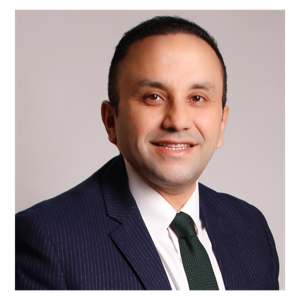
Founded by Professor Mohamed Imam — consultant orthopaedic surgeon, founder, and digital health advocate — every episode goes beyond the surface. We unpack cutting-edge orthopaedic surgery techniques, the latest in shoulder, knee, and joint research, regenerative medicine, robotics, and AI in healthcare. We talk to the people shaping modern medicine: world-class orthopaedic surgeons, healthcare entrepreneurs, digital health founders, and physician leaders.
If you are an orthopaedic trainee preparing for fellowship, a consultant surgeon refining your practice, a clinical leader navigating change, or a healthcare innovator building the future of MSK care, this is your show.
What you will find inside Deep Dive Ortho:
• Deep dives into orthopaedic surgery, sports medicine, and MSK clinical practice
• Honest conversations on physician leadership, career sustainability, and burnout prevention
• The intersection of AI, digital health, and orthopaedics
• Innovation, entrepreneurship, and the business of modern medicine
• Practical wisdom for surgical trainees and early-career consultants
New episodes weekly. Follow Deep Dive Ortho wherever you listen.
🔗 www.DeepDiveOrtho.com