
Sign up to save your podcasts
Or



About Dan Harden:
Dan is CEO, Founder & Principal Designer of Whipsaw Inc., a highly acclaimed design firm in San Francisco and San Jose California. Dan is the highly active creative force of Whipsaw, where he directs the strategic and conceptual direction of most client accounts. His passion and experience combined with his personal philosophies about art, culture, psychology and technology permeate the work and the brand.
Throughout his prolific career Dan has designed hundreds of successful products ranging from baby bottles to supercomputers for clients including AT&T, Braun, Brita, Cisco, Dell, Google, Haier, Intel, Logitech, Merck, Motorola, Olympus, Samsung, Sony, Tile, Tonal and Uber.
Dan has won over 300 design awards in his career including many IDEA, Red Dot, iF and G-Mark awards, and granted over 500 patents. Fast Company magazine featured Dan as a Master of Design and called him “design’s secret weapon”. Dan's views and work have also been featured in Abitare, Axis, Business Week, CNN, Domus, Form, Fortune, Newsweek, Time, Wired, and several design books. He was awarded the prestigious IDSA Personal Recognition Award in 2019.
Prior to founding Whipsaw in 1999, Dan was VP and President of Frogdesign where he designed many notable products for luminaries including Steve Jobs, Larry Ellison and Rupert Murdoch. Before joining Frog in 1989 he was a lead designer at Henry Dreyfuss Associates and interned with design master George Nelson. Dan graduated from the University of Cincinnati College of Design, Architecture and Art in 1982.
About Whipsaw:
Whipsaw is an Industrial Design, UX and Engineering consulting firm located in San Francisco and San Jose, California. Whipsaw designs consumer electronics, housewares, business equipment, medical, scientific, robotics and industrial products for clients such as Alza, Brita, Cisco, Dell, Ford, GE, Google, Haier, Harrys’, Intel, Leitz, Livescribe, Merck, Nike, Olympus, Peloton, Tonal, Samsung, Sony, TP-Link and Uber. They are known for creating smart, unique and intuitive products that profoundly connect with end users on both a rational and emotional level. They’re also known for getting their solutions to market and consistently creating hit products. Whipsaw has won over 280 design awards, is widely published, and has work in several museums. Founded 1999.
https://www.whipsaw.com
In this episode, I talk with Hector Silva, Founder of Advanced Design & Research Associate Professor at the University of Notre Dame about the future of design education and bring value to design communities. As this is a collaboration of the Advanced Design Context Podcast and Design we touch on:
why and how he launched Advanced Design to bring value to the design community: from a summer school and gathering to now a non-profit and design community with a large following on social media but also a team that drives initiatives like conferences, events, podcast and more
The future of industrial design education and the “disruption of education†in the digital age
A bit of myself: my journey as a designer and why I started the podcast Designdrives
The design community in Chicago and how Hector wants to drive change in design education moving forward
If you like to learn more about the Context by Advanced Design head here:
Apple Podcast: https://podcasts.apple.com/us/podcast/context/id1471644670
Spotify: https://open.spotify.com/show/2BwnLTa4L1BSjZPrRIumLm
Website: https://advdes.org
About Advanced Design:
At the very core of Advanced Design is a small, concentrated team of design students and professionals lead by Hector Silva. The diverse team is comprised of a number of versatile young designers that take on graphic design, marketing, event planning, and other roles to develop SQ1 each year. Their focus has allowed them to host their first two wildly successful SQ1 conferences within 10 months of one another—pulling attendance from a total of nearly 1,000 people in the first year they’ve held the annual conference with an international audience to boot. Since 2016, AD and SQ1 have expanded beyond sketching and continue to push their message forward through education in the advancement of various design and communication practices.
In this episode, I talk Chris Jackson, Founder & Director of We Create Future in New Zealand on
the journey from being a furniture designer in the UK into becoming a future thinker and service designer in New Zealand
why future thinking is important and why there is not the “one future” but rather a plurality of futures
why and how we as designers should consider the long term consequences in of our design decisions in times of design sprints and increasingly fast design circles
how to shape public services and the “citizen experience” through service design and strategic foresight
the design industry in New Zealand and the what are emerging design topics in the country
the importance of empathy when designing future digital services: “your future might be awful to someone else” (why we should understand the user and understand that people prefer sometimes different futures and have different preferences that not align with the designer's point of view)
Again, this is a collaboration of IDSA (Industrial Design Society of America) and Designdrives. All episodes of this series were recorded at the 2019 International Design Conference (IDC) in Chicago.
Want to learn more about “We create Futures”? Head here: https://www.wecreatefutures.com
About IDSA:
“For over fifty years, IDSA has worked to advance the practice of industrial design through education, information, community and advocacy. Our roots stretch to the beginning of the profession and our members are, and have been, some the most celebrated industrial designers of all time. However, being a part of this community means you are joining something bigger than any one individual. Your participation helps strengthen the industrial design profession as a whole and contributes to the boundless impact of design within business, culture and society.”
Learn more at https://www.idsa.org
In this episode I talk with Paul Hatch, CEO of Teams Design USA. We talk about the journey of scaling a design studio and why it is important to specialize and become known for a certain skill and topic. We also tap into how Industrial Design was influenced by UX and how ID will change in the future considering topics like AI-driven tools and generative design. A main theme of the conversation was the topic of IOT; how connected products and the process and thinking around these is changing the role of design, and the importance of having designers involved early in the process.
Again, this is a collaboration of IDSA (Industrial Design Society of America) and Designdrives. All episodes of this series were recorded at the 2019 International Design Conference (IDC) in Chicago.
About IDSA:
“For over fifty years, IDSA has worked to advance the practice of industrial design through education, information, community and advocacy. Our roots stretch to the beginning of the profession and our members are, and have been, some the most celebrated industrial designers of all time. However, being a part of this community means you are joining something bigger than any one individual. Your participation helps strengthen the industrial design profession as a whole and contributes to the boundless impact of design within business, culture and society.”
Learn more at https://www.idsa.org
Just launched episode 18, which was an inspiring conversation with Laura Silva - VP Accessibility Technology - UX Design Lead at Bank of America as well Mentor at Girls Who Code and formerly UX Designer at Amazon. She shares outstanding insights on
- the importance of accessibility in design and how to integrate it into the design process
- how she drives the financial sector towards more accessible service experience
- her learnings designing more inclusive product experiences at Amazon
- why understanding regional cultures and evolving a robust UX research practise for markets is key for more inclusive products
- why diversity in teams and backgrounds can drive product success
- how inclusivity as an approach leads to better designed products
- her powerful story and passion and drive behind accessibility, inclusion and diversity
Again, this is a collaboration of IDSA (Industrial Design Society of America) and Designdrives. All episodes of this series were recorded at International Design Conference (IDC) in Chicago.
About IDSA:
“For over fifty years, IDSA has worked to advance the practice of industrial design through education, information, community and advocacy. Our roots stretch to the beginning of the profession and our members are, and have been, some the most celebrated industrial designers of all time. However, being a part of this community means you are joining something bigger than any one individual. Your participation helps strengthen the industrial design profession as a whole and contributes to the boundless impact of design within business, culture and society.”
Learn more at https://www.idsa.org
Designdrives Podcast is back with new episodes. In the episode 17th I spoke with Qin Li who is the VP of Design at Fuseproject in SF and is Chair - Board of Directors of IDSA (Industrial Design Society of America). We sat together by the annual conference of IDSA in Chicago the day after Qin and the outstanding team was recognised with some impressive design awards at the IDSA Gala. With Qin we talk about
why designers have a huge reposnbility when in comes to robotics and new technologies
learnings on how to make robotics and technology more human based on fuseproject’s project SNOO
how to introduce the aspect of sustainability to clients and other stakeholders
why designer’s visions can drive change
why more diversity in the design industry is key and the importance of more gender balance and female role models in the design industry
her journey joining Fuseproject in the early days and growing with the company and seeing design gaining more importance for other companies
how she wants to bring value to the design community as a key member of one of the world’s largest Industrial design organisations
her reflection of being a designer grown up and China and seeing the Chinese design industry transforming over the last years
Thanks to Fuseproject and IDSA for enabling this episode and special thanks to Qin Li - it was a pleasure talking design in Chicago.
An episode right at the core of Designdrives: exploring the value and impact of design - in this case the impact on business and strategy. In episode 16, I talk with Kathleen Brandenburg, Co-founder and Chief Design Strategy Officer at IA Collaborative - a global design and innovation agency in Chicago and Los Angeles. She is also part of the Innovation Council at Northwestern University, Board Member at Chicago’s IIT Institute of Design, Board of Trustees Member at IIT, and also recently co-taught Design for Social Innovation as a visiting professor at Harvard University. In her role as both a business owner and educator, Kathleen leads integrated teams that drive business and human impact through design. This is a series of podcasts where IDSA shares insights from the best International Design Conference speakers and design voices in Chicago. Kathleen has a unique background in both business and design, and this is something we dive into: the rise of the importance of design in business. We also talk about how to convince business stakeholders about the impact of design, how to be a master of collaboration (learning from the culture of IA Collaborative) and how designing for behavior change is a new gateway and huge responsibility for designers to drive impact - and can even save lives. This podcast is packed full of learnings and insights on why, how and what design drives forward. About IA Collaborative: IA Collaborative is a global design and innovation consultancy. We believe the companies and organizations that will succeed in tomorrow’s hypercompetitive landscape are those that understand how to fully integrate design into business thinking and operations. We work with business leaders to rethink the role of design in every corner of their organization – and how to leverage design as a competitive advantage, from corporate growth strategy, to offering investment, to driving performance at scale. From redefining customer experience at Airbnb, to transforming brand loyalty for Audi, to designing new platforms and identifying new business models for Nike - IA Collaborative prioritizes, prototypes, and launches what’s next for leading brands. Learn about IA Collaborative’s 7 Elements of Design: https://iacollaborative.com/perspective/7-elements-of-design-innovation/ Learn more about IA Collaborative: https://iacollaborative.com About IDSA: “For over fifty years, IDSA has worked to advance the practice of industrial design through education, information, community and advocacy. Our roots stretch to the beginning of the profession and our members are, and have been, some the most celebrated industrial designers of all time. However, being a part of this community means you are joining something bigger than any one individual. Your participation helps strengthen the industrial design profession as a whole and contributes to the boundless impact of design within business, culture and society.” Learn more at https://www.idsa.org
In the newest episode, I got the honour to sit together with Brett Lovelady, Founder & CEO of ASTRO Studios in San Francisco. Brett shares his perspectives on the intersection of design and business, learning from his experience founding startups like ASTRO Gaming, Minus-8 Watch and serving as a VP to frog and Lunar. We dive into:
- his experience of driving design entrepreneurship, founding many startups including Astro Gaming which was acquired to Skullcandy and most recently Logitech
- how and why design is driving new initiatives and start-up ventures, by being in the catalysing and initiating role to drive a common vision for all stakeholders
- how to learn by every project and business venture initiative as a design team to drive impact
how design practise and community developed in Silicon Valley, looking back at the 25 years of ASTRO Studios
- the future of design and the growing responsibility we share to drive the right behaviours, habits and outcomes on the intersection of technology and humanity - and why designers have to be the “human advocate” in the process
- the important link between design and branding - and how this helps to set design solutions in context
We sat together at the recent IDC, International Design Conference in Chicago. The next IDC will happen 2020 in Seattle. For more information about it head here: https://www.internationaldesignconference.com
About IDSA:
For over fifty years, IDSA has worked to advance the practice of industrial design through education, information, community and advocacy. Our roots stretch to the beginning of the profession and our members are, and have been, some the most celebrated industrial designers of all time. However, being a part of this community means you are joining something bigger than any one individual. Your participation helps strengthen the industrial design profession as a whole and contributes to the boundless impact of design within business, culture and society.
Learn more at https://www.idsa.org
In the newest episode, I enjoyed talking with Chris Lovin, Experience Design Lead at athenahealth and teacher at Austin Center of Design. Before that, he worked on the intersection of Interaction & Industrial Design at frog, Honeywell, Mixer Design Group and others creating hybrid experiences in physical and digital domains.
We dive into why smart home products and connected experiences demand hybrid-thinking that bridges physical and digital and how it elevates the process, output and outcome. Further we lean why and how designers can drive positive impact for people in the health-care space and how how the strategic layer can connect various design disciplines in the process
In addition we talk how to balance iteration loops between physical and digital design and how 3D printing and other innovations may create an "agile industrial design" in the future. Chris also shares how to transition between design disciplines: in his case from Industrial Design to Interaction Design.
About IDSA:
For over fifty years, IDSA has worked to advance the practice of industrial design through education, information, community and advocacy. Our roots stretch to the beginning of the profession and our members are, and have been, some the most celebrated industrial designers of all time. However, being a part of this community means you are joining something bigger than any one individual. Your participation helps strengthen the industrial design profession as a whole and contributes to the boundless impact of design within business, culture and society.
Learn more at https://www.idsa.org
In episode 13, I talk with Dan Grossmann, Design Director at Smart Design in New York. Dan and I sat together at the recent IDC Conference in Chicago and chat about his learnings around why, how and what design drives forward.
Dan shares from his experience and impressive body of work: before his role at Smart Design, he was Director of Industrial Design at Bark but also worked at Peloton, Martha Stewart Living, Prime Studios, 4sight Inc., Project H Design and many other places. His experiences ranging from various industries and perspectives: from startup to Consultancy to in-house experiences. One recent experience he shares is the design process of New York's iconic public trash bins - which were designed for both citizen and the people cleaning it.
We dive into how to communicate the value of design to other stakeholders, when is the right time to make a move in your career as a creative, what designers can influence in today's world and even speak about how to prototype designs and work iteratively when designing for animals - specifically dogs. Further, we also learn why it's important to diversify your experience, collect mentors and the importance of learning from different work and project environments. On top of that Dan highlights while it’s not just important to try out different industries but also learn the whole process: from idea to prototype and even how the product is sold and communicated. In Dan experiences, designers can have a tremendous impact when being involved in product pitches and shaping the companies product portfolio - not just the execution of it.
-
The next IDC will happen 2020 in Seattle. For more information about it head here: https://www.internationaldesignconference.com
About IDSA:
For over fifty years, IDSA has worked to advance the practice of industrial design through education, information, community and advocacy. Our roots stretch to the beginning of the profession and our members are, and have been, some the most celebrated industrial designers of all time. However, being a part of this community means you are joining something bigger than any one individual. Your participation helps strengthen the industrial design profession as a whole and contributes to the boundless impact of design within business, culture and society.
Learn more at https://www.idsa.org
From the publisher's feed
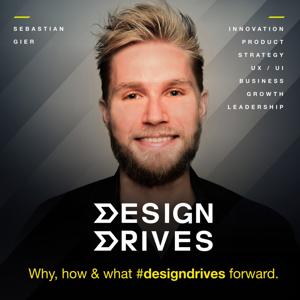
Leading design minds share their perspective on why, how and what design drives forward.