
Sign up to save your podcasts
Or

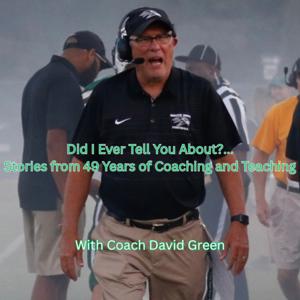


Coach David Green gives advice to coaches as he tells the story of one of his job changes when money made the decision--and then turned out to be a major problem.
Smoking meat is an art that requires patience, practice, and a few secret techniques to elevate your culinary skills. In this episode post, we dive into the ins and outs of smoking a Boston butt, one of the most forgiving cuts of meat, to create delicious pulled pork. With over 50 years of experience, David Green shares his expert tips and tricks to ensure your next barbecue is a hit.
"Any dumbass can do this"
Main Content:
1. Choosing the Right Cut:
2. Preparing Your Smoker:
Hot and Fast vs Low and Slow
3. The Essential Rub:
Creating a custom rub is easier than you might think. David shares his family’s favorite rub recipe, which includes ingredients like brown sugar, paprika, chili powder, and garlic powder. The key is to adjust the spices to your family’s taste, ensuring a perfect balance of sweetness and heat.
4. Smoking Process:
Applying the rub, suggestions for the proper tools to help you cook, keeping the meat moist
5. Wrapping and Finishing Touches:
When and how to wrap AND some suggestions on what to add during the wrapping process to take your meat to the next level
6. Resting and Pulling the Meat:
More tips and ideas for making the final part of the process more effcient.
Conclusion:
Smoking pulled pork is a rewarding endeavor that can be mastered with practice and a few helpful tips. With the right cut of meat, a flavorful rub, and the proper techniques, you can create mouthwatering pulled pork that impresses family and friends. Remember to experiment with flavors and enjoy the process. Happy smoking!
Key Takeaways:
- Choose an eight-pound Boston butt for optimal cooking time.
- Preheat your smoker to 300 degrees Fahrenheit for faster cooking.
- Create a personal rub to match your family’s taste preferences.
- Maintain moisture in the meat by spritzing with apple juice and vinegar.
- Allow the meat to rest before pulling for the best texture.
Tags:
Smoking Meat, Pulled Pork, Boston Butt, BBQ Tips, Cooking Techniques, Barbecue, Meat Smoking
In this conversation, David Green discusses the intricacies of running a no-huddle offense in football. He emphasizes the importance of simplifying play calls and formations to enhance player understanding and execution. The discussion covers various strategies for signaling plays, using hand signals, and the significance of tempo in a no-huddle system. Green also shares insights on formation strategies, including the use of colleges and cities for play calls, and the necessity of mixing up calls to keep players engaged. The conversation concludes with a focus on short yardage strategies and the effectiveness of the 'tractor' formation
no-huddle football, play calling, football formations, hand signals, offensive strategies, football coaching, player communication, football tactics, sports training, football offense
Chapters
00:00Introduction to No-Huddle Football
00:35Advantages of No-Huddle Offense
02:04Simplifying Play Calls
03:05Formation Basics and Communication
04:41Hand Signals and Play Calling
06:23Exploring Different Formations
18:39Short Yardage Strategies and Conclusion
In this conversation, David Green emphasizes the value of learning from coaches across different sports, highlighting the importance of punctuality and discipline in coaching practices. He shares insights from a no-nonsense coach, Jerry Faulkner, who instilled a strong sense of time management and engagement in his athletes.takeaways
David Green shares personal stories about his family's love for fishing, contrasting his own interests in sports and games. He recounts humorous and heartfelt memories of fishing trips with his father and uncle, highlighting the unpredictable adventures and life lessons learned along the way.
fishing, family, sports, memories, life lessons
In this conversation, David Green shares the often-overlooked responsibilities of high school coaches, highlighting a specific incident involving one of his players who found himself in legal trouble. The story illustrates the complexities of coaching beyond sports, including mentorship, advocacy, and navigating the legal system to support young athletes. Green emphasizes the importance of community support and the role of coaches in shaping the lives of their players.High school coaches handle more than just sports.Coaching involves mentorship and personal support.Legal issues can arise unexpectedly in coaching.Community involvement is crucial for youth support.Advocacy is a key role for coaches.Understanding a player's background is essential.Coaches can influence the legal outcomes for players.The importance of having a supportive network.Youth sports can intersect with serious life challenges.Coaches must navigate complex emotional situations.
high school coaching, youth sports, mentorship, legal issues, advocacy, personal stories, coaching challenges, youth development, community support, football
Join Coach David Green as he recounts inspiring stories from his 49-year coaching career. Discover the incredible achievements of athletes like Susan Dixon and the transformative journey of a young athlete overcoming challenges. These stories highlight the power of perseverance and the impact of dedicated coaching. Tune in for a dose of inspiration and motivation. #Coaching #Inspiration #AthleteStories #Track #Golf
In this conversation, David Green shares his extensive experience as a coach, focusing on the dynamics of team leadership, accountability, and discipline during preseason camps. He discusses the importance of establishing authority, building team bonds, and handling both internal and external challenges effectively. Through anecdotes and personal insights, Green emphasizes the necessity of maintaining control and the consequences of actions within a team environment.
coaching, team dynamics, leadership, accountability, discipline, preseason camp, quarterback, team bonds, consequences, external challenges
In this conversation, David Green shares his experiences as a head coach navigating the complexities of high school sports, particularly the interplay between cheerleading and football. He discusses the challenges posed by parental involvement, team dynamics, and the importance of maintaining unity among players and cheerleaders. Through anecdotes, he illustrates the lessons learned in leadership, conflict resolution, and the significance of communication in fostering a positive team environment
From the publisher's feed