
Sign up to save your podcasts
Or



Anna Barry-Jester, a reporter with Kaiser Health News, says public health leaders are facing more public scrutiny during the pandemic, and that's pushed many to leave their jobs. She chronicled many of their stories with colleagues from KHN and the Associated Press. Read more here: https://khn.org/news/article/pandemic-backlash-jeopardizes-public-health-powers-leaders/
See omnystudio.com/listener for privacy information.
We’ve talked to a lot of people this year in Georgia who’ve been personally touched by the pandemic: they've been sick, they've lost loved ones. As we approach the end of 2020, we’re listening back on some of those conversations.
See omnystudio.com/listener for privacy information.
As we approach the end of 2020, we’re revisiting some of the conversations that touch on what COVID-19 has exposed about the world we live in and how we can live safely in it.
See omnystudio.com/listener for privacy information.
Dan Wakin, an obituaries editor at the New York Times, says his paper has been working for months to tell the stories of some of victims of the pandemic in a project called "Those We've Lost." View the project here: https://www.nytimes.com/interactive/2020/obituaries/people-died-coronavirus-obituaries.html
See omnystudio.com/listener for privacy information.
Joshua Weitz, who studies how viruses transform human health at Georgia Tech, has created a tool to help people calculate the likelihood of being exposed to the coronavirus at events of different sizes. He shares how it works and discusses the current state of the pandemic.
See omnystudio.com/listener for privacy information.
Jodie Guest, from the Emory University Rollins School of Public Health, lays out some of the basics of two COVID-19 vaccines that could soon be approved for emergency use by U.S. regulators.
See omnystudio.com/listener for privacy information.
Holley Wilkin, who teaches health communication at Georgia State University, says it's not enough for officials to set appropriate public health policies to slow coronavirus transmission--they also need to be good at messaging them.
See omnystudio.com/listener for privacy information.
Dr. Willarda Edwards, with the American Medical Association, says the health disparities laid bare by COVID-19 contributed to the AMA's recent decision to officially recognize racism as a public health threat.
See omnystudio.com/listener for privacy information.
Sarah Owermohle, who covers health care for Politico, says some Americans could get access to COVID-19 vaccines before the end of the year. Still, many questions remain about their long term efficacy and how they'll be distributed.
See omnystudio.com/listener for privacy information.
Even if you've managed to hold on to a job, keep food on the table, stay healthy, keep the kids learning, and not get too overwhelmed by politics, this is an incredibly stressful time. And for many people, those things haven't all fallen into place. Dr. Vaile Wright, senior director for healthcare innovation at the American Psychological Association, says chronic stress, as so many people are experiencing, can have long-term effects, even once the pandemic is over.
See omnystudio.com/listener for privacy information.
From the publisher's feed
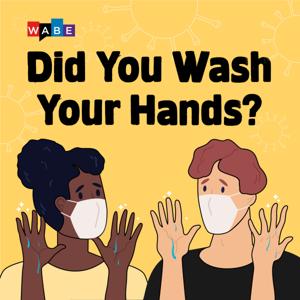
The coronavirus pandemic has us all asking a lot of questions: How long will I have to practice “social distancing”? Will there be a cure for COVID-19? Can I ever touch my face again?
WABE…
2,358 Listeners

151 Listeners
50 Listeners
20 Listeners

3 Listeners