
Sign up to save your podcasts
Or

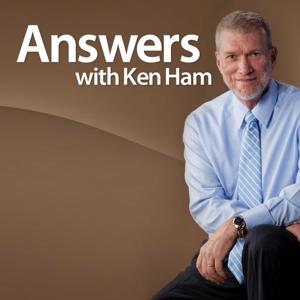

Some people wonder how plants could die before sin if death is the consequence for sin. But let’s consider the definition of die. We commonly use the word “die” to describe when plants, animals, and humans no longer function biologically. But that’s not how the Old Testament uses the word. There’s a specific Hebrew word for die that’s only used in relation to the death of man or animals with the breath of life.
Plants don’t have the breath of life. They’re different from both animal and human life so their “death” before sin is no problem.
Animal and human death is a result of sin.
 View all episodes
 By Ken Ham and Mark Looy

4.6
374374 ratings
Some people wonder how plants could die before sin if death is the consequence for sin. But let’s consider the definition of die. We commonly use the word “die” to describe when plants, animals, and humans no longer function biologically. But that’s not how the Old Testament uses the word. There’s a specific Hebrew word for die that’s only used in relation to the death of man or animals with the breath of life.
Plants don’t have the breath of life. They’re different from both animal and human life so their “death” before sin is no problem.
Animal and human death is a result of sin.
5,211 Listeners

2,598 Listeners
1,518 Listeners

175 Listeners

1,038 Listeners
3,156 Listeners

2,887 Listeners
5,464 Listeners
5,373 Listeners

1,547 Listeners

2,488 Listeners

953 Listeners
386 Listeners
2,928 Listeners
13,245 Listeners