
Sign up to save your podcasts
Or

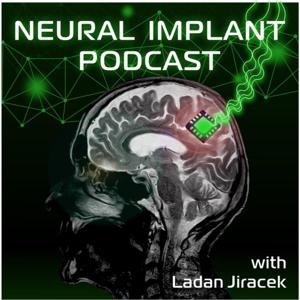

Jack Judy is the director of Nanoscience Institute for Medical and Engineering Technologies at the University of Florida He serves to bridge the divide between engineering, medicine, and the sciences through the work he does with neurotechnologies and neural implants. He has focused on peripheral nerve interfaces and how stimulating these could help amputees in the Wounded Warrior Project. He has worked with DARPA for several years where he has revolutionized biotechnology and biomedicine to confront issues many in the field were ignoring.
Top Three Takeaways: 1. Biomedicine and biotechnology provide an avenue for innovation in the future of neural implants that could provide alternative forms of treatment for certain treatments. 2. Many issue concerning neural implants are not being discussed openly which thwarts improvement in much for the field. 3. The field of biotechnologies and biomedicine has potential but very strong challenges that include funding, research, and over excitement without delivery.
Show Notes [0:00] Jack Judy Introduces himself [2:50] Ladan asks about the approaches Judy and his colleagues are taking in building physical objects that will work with neural tissue. [6:30] Judy explains how higher channel counts in neural implants could compromise good electrical connection. [11:30] Judy explains how he got involved in the field of neurotechnology through DARPA. [16:00] Judy explains the problems he perceives in neurotechnology. [22:30] Judy explains how he worked with DARPA to serve the nation and assist the defense. [26:00] Judy explains how DARPA chose to shed a light on the reliability issues neurotechnology has. [29:05] The hype cycle concerning MEMS technology is discussed; the relationship between the hype cycle of neural implants is also explained. [37:00] Judy acknowledges the excitement in the field of biomedicine, but he advocates for research and funding. [43:00] Judy explains how the field does face obstacles but the strong engineering school and strong medical school in close proximity at the University of Florida provides a good environment for progression.
 View all episodes
 By Ladan Jiracek

4.8
1717 ratings
Jack Judy is the director of Nanoscience Institute for Medical and Engineering Technologies at the University of Florida He serves to bridge the divide between engineering, medicine, and the sciences through the work he does with neurotechnologies and neural implants. He has focused on peripheral nerve interfaces and how stimulating these could help amputees in the Wounded Warrior Project. He has worked with DARPA for several years where he has revolutionized biotechnology and biomedicine to confront issues many in the field were ignoring.
Top Three Takeaways: 1. Biomedicine and biotechnology provide an avenue for innovation in the future of neural implants that could provide alternative forms of treatment for certain treatments. 2. Many issue concerning neural implants are not being discussed openly which thwarts improvement in much for the field. 3. The field of biotechnologies and biomedicine has potential but very strong challenges that include funding, research, and over excitement without delivery.
Show Notes [0:00] Jack Judy Introduces himself [2:50] Ladan asks about the approaches Judy and his colleagues are taking in building physical objects that will work with neural tissue. [6:30] Judy explains how higher channel counts in neural implants could compromise good electrical connection. [11:30] Judy explains how he got involved in the field of neurotechnology through DARPA. [16:00] Judy explains the problems he perceives in neurotechnology. [22:30] Judy explains how he worked with DARPA to serve the nation and assist the defense. [26:00] Judy explains how DARPA chose to shed a light on the reliability issues neurotechnology has. [29:05] The hype cycle concerning MEMS technology is discussed; the relationship between the hype cycle of neural implants is also explained. [37:00] Judy acknowledges the excitement in the field of biomedicine, but he advocates for research and funding. [43:00] Judy explains how the field does face obstacles but the strong engineering school and strong medical school in close proximity at the University of Florida provides a good environment for progression.

4,997 Listeners

4,164 Listeners

10,581 Listeners
136 Listeners
760 Listeners

532 Listeners

112,360 Listeners

15,333 Listeners

1,087 Listeners

29,220 Listeners

10,786 Listeners
28 Listeners