
Sign up to save your podcasts
Or

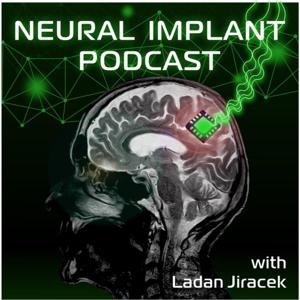

Dr. Stavros Zanos is an Assistant Professor at the Feinstein Institute for Medical Research. In his Translational Neurophysiology lab, they develop methods and techniques to interface with, stimulate and record the vagus nerve to understand how it controls physiological functions, with the end goal of developing therapies for diseases. In this episode, Dr. Stavros Zanos discusses his recent publication regarding anodal blocking in the vagus nerve.
Top three takeaways:
[0:00] Ladan introduces the episode and the guest, Dr. Stavros Zanos.
[2:10] Dr. Zanos tells how his experiences led him to the Feinstein Institute.
[4:10] His focus has been on engineering implants, understanding the physiological effects of bioelectronic therapies, and testing animal models to be able to create chronic implants for testing therapies.
[7:00] The anodal block technique used in their publication is a way of biasing the activation of afferent and efferent fibers to effectively treat different diseases.
[9:30] At the lowest intensity of stimuli, the larger fibers get engaged first; as you increase the intensity, smaller fibers are able to be engaged.
[13:30] Judging by the physiological changes that occurred during a vagotomy, afferent and efferent fibers are indexed.
[16:00] Dr. Zanos cautions researchers to always evaluate the translatability of their devices from animals to humans.
[18:00] Another major focus of the lab is to develop chronic implants in animals, understand how to make them last longer, and then judge how the interface changes over time.
[20:30] By increasing the intensity of stimulation, there is a greater amount of potentials going in one direction and blockage of the other potentials.
[24:10] The cycle of innovation when it comes to medical devices ranges between five to 10 years.
 View all episodes
 By Ladan Jiracek

4.8
1717 ratings
Dr. Stavros Zanos is an Assistant Professor at the Feinstein Institute for Medical Research. In his Translational Neurophysiology lab, they develop methods and techniques to interface with, stimulate and record the vagus nerve to understand how it controls physiological functions, with the end goal of developing therapies for diseases. In this episode, Dr. Stavros Zanos discusses his recent publication regarding anodal blocking in the vagus nerve.
Top three takeaways:
[0:00] Ladan introduces the episode and the guest, Dr. Stavros Zanos.
[2:10] Dr. Zanos tells how his experiences led him to the Feinstein Institute.
[4:10] His focus has been on engineering implants, understanding the physiological effects of bioelectronic therapies, and testing animal models to be able to create chronic implants for testing therapies.
[7:00] The anodal block technique used in their publication is a way of biasing the activation of afferent and efferent fibers to effectively treat different diseases.
[9:30] At the lowest intensity of stimuli, the larger fibers get engaged first; as you increase the intensity, smaller fibers are able to be engaged.
[13:30] Judging by the physiological changes that occurred during a vagotomy, afferent and efferent fibers are indexed.
[16:00] Dr. Zanos cautions researchers to always evaluate the translatability of their devices from animals to humans.
[18:00] Another major focus of the lab is to develop chronic implants in animals, understand how to make them last longer, and then judge how the interface changes over time.
[20:30] By increasing the intensity of stimulation, there is a greater amount of potentials going in one direction and blockage of the other potentials.
[24:10] The cycle of innovation when it comes to medical devices ranges between five to 10 years.

5,001 Listeners

4,162 Listeners

10,575 Listeners

137 Listeners
762 Listeners

532 Listeners

112,238 Listeners

15,335 Listeners

1,083 Listeners

29,188 Listeners

10,747 Listeners
28 Listeners