
Sign up to save your podcasts
Or



Jefferson Fisher, bestselling author of The Next Conversation and one of today's leading communication experts, reveals how to handle difficult conversations, stop destructive arguments, set healthy boundaries, and build stronger relationships.
In this episode of On Being Human, trial attorney and communication expert Jefferson Fisher joins Dr. Zelana Montminy to explore why we're communicating more than ever but struggling to truly connect.
From romantic relationships and friendships to family conflicts, the way we communicate can mean the difference between a relationship falling apart and a connection growing deeper.
But have we become so focused on protecting our peace, setting boundaries, and avoiding toxic people that we've forgotten how to work through conflict?
Jefferson challenges the idea that healthy relationships should be free of disagreements. He argues that difficult conversations are often what bring people closer together.
Together, they explore how to stay calm when emotions run high, recognize when boundaries become avoidance, respond to manipulation and gaslighting, and take accountability without becoming defensive.
They also examine the loneliness epidemic, the impact of technology and AI on human connection, and why learning to tolerate discomfort may be essential to building meaningful relationships.
What You'll Learn:
About Jefferson Fisher
Jefferson Fisher is a trial attorney, bestselling author of The Next Conversation: Argue Less, Talk More, and communication expert known for his practical advice on navigating conflict, setting boundaries, and having difficult conversations.
Subscribe to On Being Human with Dr. Zelana Montminy for conversations about relationships, mental health, personal growth, and what it means to be human.
#JeffersonFisher #CommunicationSkills #Relationships #DifficultConversations #Boundaries #OnBeingHuman
We know what’s good for us. We still do the opposite. How do we close that gap?
We scroll when we need sleep. Say yes when we’re overwhelmed. Avoid the conversations that could bring us closer. Keep putting off what matters until life calms down.
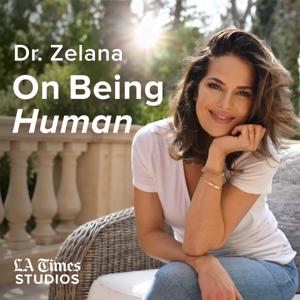
In Dr. Zelana On Being Human, behavioral scientist and bestselling author Dr. Zelana Montminy joins familiar voices and leading experts to explore what keeps us stuck and how to move through it. Personal stories meet psychology, science, and practical tools you can use in the moments you usually fall back into old patterns.
You’ll leave equipped with the tools to turn “I know I should” into “here’s how I can,” and better able to make what matters most to you part of how you actually live.
Bestselling author and performance expert Brad Stulberg reveals why hustle culture, burnout, and our obsession with productivity and self-improvement may be making us less happy—and how to achieve success without sacrificing our mental health and well-being.
In this episode of On Being Human, Brad joins Dr. Zelana Montminy to explore the science of sustainable success, why high achievers struggle to rest, and how to stay motivated without burning out.
Drawing on research and insights from elite athletes, entrepreneurs, and world-class performers, Brad explains why consistency beats intensity, why rest is essential for peak performance, and why achieving your biggest goals can leave you feeling empty.
He also explores the hidden downsides of fitness trackers and sleep scores, the dangers of constant self-optimization, and how to raise successful, resilient kids without pushing them toward burnout.
What you'll learn:
By the end of this conversation, you may rethink everything you've been taught about ambition, success, and productivity. Because according to Brad, the secret to excellence isn't working harder, optimizing every moment, or finally reaching the top. It's learning to find meaning, connection, and joy in the climb itself.
In this episode:
Check out On Being Human with Dr. Zelana Montminy for more thought-provoking conversations about mental health, relationships, personal growth, and what it really means to be human.
#BradStulberg #Burnout #Productivity #Motivation #SelfImprovement #MentalHealth #OnBeingHuman
We know what’s good for us. We still do the opposite. How do we close that gap?
We scroll when we need sleep. Say yes when we’re overwhelmed. Avoid the conversations that could bring us closer. Keep putting off what matters until life calms down.
In Dr. Zelana On Being Human, behavioral scientist and bestselling author Dr. Zelana Montminy joins familiar voices and leading experts to explore what keeps us stuck and how to move through it. Personal stories meet psychology, science, and practical tools you can use in the moments you usually fall back into old patterns.
You’ll leave equipped with the tools to turn “I know I should” into “here’s how I can,” and better able to make what matters most to you part of how you actually live.
Amanda Kloots opens up about losing her husband, Broadway actor Nick Cordero, to COVID-19, navigating widowhood, dating after loss, and finding joy while still mourning.
In the premiere episode of On Being Human with Dr. Zelana Montminy, the television personality, bestselling author, and host of Good Grief shares what she has learned about grief, healing, love, and rebuilding her life after loss.
When Nick Cordero died at age 41 following 95 days in the hospital, Amanda became a widow and single mother at 38, raising their 1-year-old son, Elvis. Years later, she reflects on how grief doesn't disappear, but how her relationship with it has transformed. Amanda candidly discusses depression, loneliness, how single motherhood reshaped her sense of femininity, and the daily practices that brought light during her darkest days.
She also shares her honest perspective on dating after losing a spouse, why loving someone new doesn't mean letting go of Nick, how his passing altered her faith, and how she keeps Nick's memory alive for Elvis.
What you’ll learn:
By the end of this conversation, you may think differently about grief, love, and what it means to heal. Because as Amanda has discovered, moving forward doesn't require leaving someone behind. Sometimes, learning to live with loss means making room for sadness and joy, gratitude and heartbreak, and the possibility of loving life again.
00:00 - Introduction & What It Means to Be Human
01:58 - Who is Amanda Kloots?
03:24 - How Grief Changes 6 Years Later
06:30 - Is Grief an Emotion or a Journey?
08:06 - Rebuilding Identity & Going Inward After Loss
10:19 - Loss of Femininity & Finding Balance as a Single Mom
12:56 - Reconnecting With Femininity Through Dance
14:58 - What People Misunderstand About Grief
17:13 - How to Support Someone Who is Grieving (Why Simply Showing Up Matters)
20:02 - How Motherhood & Son Elvis Helped Amanda Heal 21:28 - Facing Public Judgment & Finding Joy While Mourning
24:20 - The Importance of Community & Daily Commitments to Joy
26:22 - How Grief Physically Lives in the Body
28:34 - Dating After Widowhood & The Stigma of "Moving On"
32:25 - How Losing Nick Changed Amanda's Faith & Relationship with God
35:53 - Changing Perspectives on Death
37:22 - What to Say to Someone Facing Recent Loss
39:33 - What "Live Your Life" Means Today
42:25 - Ketamine Therapy & Awakening After Trauma
44:05 - Practical Steps to Force Joy During Dark Days
48:09 - Why Grief and Happiness Can Coexist
49:53 - How Amanda Talks to Son Elvis About Death & Nick Cordero
Check out On Being Human with Dr. Zelana Montminy for more honest, thought-provoking conversations about the experiences that shape us, the challenges that connect us, and what it really means to be human.
#AmandaKloots #NickCordero #OnBeingHuman #Grief #GriefAndLoss #Healing #MentalHealth #FindingJoy
We know what’s good for us. We still do the opposite. How do we close that gap?
We scroll when we need sleep. Say yes when we’re overwhelmed. Avoid the conversations that could bring us closer. Keep putting off what matters until life calms down.
In Dr. Zelana On Being Human, behavioral scientist and bestselling author Dr. Zelana Montminy joins familiar voices and leading experts to explore what keeps us stuck and how to move through it. Personal stories meet psychology, science, and practical tools you can use in the moments you usually fall back into old patterns.
You’ll leave equipped with the tools to turn “I know I should” into “here’s how I can,” and better able to make what matters most to you part of how you actually live.