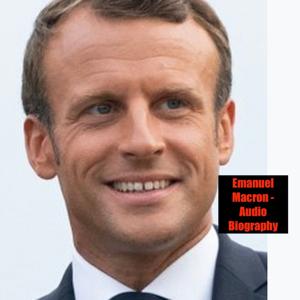
Emanuel Macron Biography Flash a weekly Biography.
Emanuel Macron’s recent days have unfolded amid one of the most precarious chapters of his presidency with both political and personal stakes mounting fast. Returning from a brief summer in the south of France, Macron has stepped straight into a storm of his own making, as The Telegraph observes bluntly that he is now accused of having made France "ungovernable." The political scene in Paris is dominated by impending chaos: Prime Minister François Bayrou faces a widely anticipated no-confidence vote tomorrow, which if lost will likely bring down his government and force Macron into excruciating choices—either call early parliamentary elections, install yet another prime minister, or even consider resignation, something he has repeatedly rejected even as public calls for his departure grow Sky News and Euronews break down the increasingly severe mood among French workers, unions, and industrialists, who see Bayrou’s drastic budget cuts—meant to stave off what economists are calling a Greek-style debt spiral—as both essential and deeply unfair. On social media, the general tenor is unrest, with users trading memes and fiery commentary about Macron’s shrinking control at home versus his reliable statesmanship abroad.
Despite the turmoil, Macron’s diplomatic cell is in overdrive. Just yesterday, he spoke by phone with Indian Prime Minister Narendra Modi. Their conversation was unusually upbeat: the two leaders reviewed defense, technology, and economic collaboration, reaffirming commitments under long-term strategic roadmaps. Modi was effusive, thanking Macron for accepting an invitation to the AI Impact Summit in India early next year, with both leaders eager to project an image of strong global partnership according to the official Indian government release.
Across the Atlantic, however, Macron’s outreach stumbled: his planned meeting this month with key American Jewish organizations collapsed, according to i24News, amid controversy over his push for greater recognition of Palestinian statehood and a documented surge in antisemitism in France. A biting comment from a potential attendee, who noted the president’s dismal 15 percent approval rating, summed up the mood: "It’s not our job to help him out."
Meanwhile, on the economic policy front Macron continues to coordinate closely with German Chancellor Scholz, most recently at the Franco-German Council of Ministers. Their joint economic agenda aims to turbocharge EU competitiveness and push regulatory reforms, including new support structures for start-ups and innovative companies, as described in the official Elysee summary.
As for recent viral stories, Macron has been subject to a surge in social media speculation, especially regarding France’s readiness for a potential military conflict with Russia. While French authorities and fact-checkers at Euronews clarify that France is only increasing preparedness for possible emergencies—not actively
This content was created in partnership and with the help of Artificial Intelligence AI.