
Sign up to save your podcasts
Or

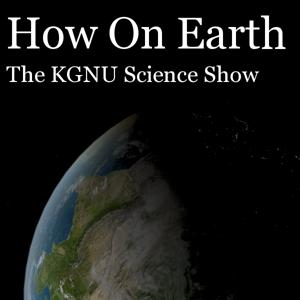

On Tuesday, Nov. 26, How On Earth brings you two features:
Feature #1: (start time 5:53) STEM, as you may well know, stands for Science, Technology, Engineering and Mathematics. Many math and science topics are introduced throughout most years of primary education, but technology and engineering — not so much. We live in a world surrounded by things imagined and designed and built by engineers, from roads and buildings to computers and appliances and even food, drugs and clothing. So it’s important to understand engineering if we want to understand these life necessities. An educator tackling this issue is Dr. Christine Cunningham, vice president of research and educator resource development for a project called “Engineering is Elementary.” It was developed by the Museum of Science in Boston. Cunningham is featured in an article, written by former How On Earth contributor Breanna Draxler, called “E is for Engineering” in the December issue of Discover magazine. Cunningham talks with host Joel Parker about how teaching engineering to very young students can be done.
Feature #2: (start time 14:45) Arguably the healthiest marine ecosystem on Earth is the Ross Sea in Antarctica. It’s so pristine largely because it is protected by a 500-mile-wide shield of floating sea ice, and, well, it’s not exactly easy to get to. But in recent years the Ross Sea has come under threat, largely from New Zealand industrial fishing ships that are hunting as far south as they can for the Antarctic toothfish, which was rebranded as Chilean sea bass for U.S. and other consumers. John Weller is a nature photographer and conservationist living in Boulder. He has documented the beauty and fragility of the Ross Sea in his new book, The Last Ocean. Weller also co-founded a nonprofit, called The Last Ocean Project, that is dedicated to protecting the Ross Sea and other fragile marine ecosystems. Weller talks about the science and art of these environments with host Susan Moran. (You also can hear a previous interview with Weller on KGNU’s Morning Magazine.)
Hosts: Susan Moran, Joel Parker
Listen to the show here:
 View all episodes
 By KGNU - How On Earth

4.5
2121 ratings
On Tuesday, Nov. 26, How On Earth brings you two features:
Feature #1: (start time 5:53) STEM, as you may well know, stands for Science, Technology, Engineering and Mathematics. Many math and science topics are introduced throughout most years of primary education, but technology and engineering — not so much. We live in a world surrounded by things imagined and designed and built by engineers, from roads and buildings to computers and appliances and even food, drugs and clothing. So it’s important to understand engineering if we want to understand these life necessities. An educator tackling this issue is Dr. Christine Cunningham, vice president of research and educator resource development for a project called “Engineering is Elementary.” It was developed by the Museum of Science in Boston. Cunningham is featured in an article, written by former How On Earth contributor Breanna Draxler, called “E is for Engineering” in the December issue of Discover magazine. Cunningham talks with host Joel Parker about how teaching engineering to very young students can be done.
Feature #2: (start time 14:45) Arguably the healthiest marine ecosystem on Earth is the Ross Sea in Antarctica. It’s so pristine largely because it is protected by a 500-mile-wide shield of floating sea ice, and, well, it’s not exactly easy to get to. But in recent years the Ross Sea has come under threat, largely from New Zealand industrial fishing ships that are hunting as far south as they can for the Antarctic toothfish, which was rebranded as Chilean sea bass for U.S. and other consumers. John Weller is a nature photographer and conservationist living in Boulder. He has documented the beauty and fragility of the Ross Sea in his new book, The Last Ocean. Weller also co-founded a nonprofit, called The Last Ocean Project, that is dedicated to protecting the Ross Sea and other fragile marine ecosystems. Weller talks about the science and art of these environments with host Susan Moran. (You also can hear a previous interview with Weller on KGNU’s Morning Magazine.)
Hosts: Susan Moran, Joel Parker
Listen to the show here:

91,038 Listeners
78,712 Listeners

43,958 Listeners

38,232 Listeners

43,621 Listeners
27,049 Listeners

3,417 Listeners

1,653 Listeners
942 Listeners

510 Listeners

6,479 Listeners

382 Listeners

112,309 Listeners

6,410 Listeners

16,305 Listeners