
Sign up to save your podcasts
Or

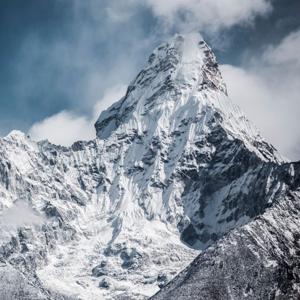


Continuing the discussion, we focus on cellular and metabolic adaptations, including increased capillary density, higher myoglobin concentrations, and more efficient mitochondrial function. We also explore genetic adaptations in high-altitude populations like Tibetans, Andeans, and Ethiopians, as well as how chronic hypoxia suppresses immune function. Finally, we discuss altitude training, highlighting the benefits of the “Live High, Train Low” method for endurance athletes.
In this episode, we begin exploring how the body adapts to prolonged hypoxia. Key topics include renal compensation for respiratory alkalosis, increased ventilation, and early changes in red blood cell production. We highlight the role of erythropoietin (EPO) in stimulating new red blood cells, and how increased hemoglobin concentration improves oxygen transport. However, polycythemia (increased red blood cell count) also raises blood viscosity, increasing cardiovascular strain.
In Part 2, we expand on the acute responses to altitude, focusing on sympathetic activation, which raises catecholamine levels, heart rate, and blood pressure. We also examine altitude diuresis—the increase in urine output triggered by respiratory alkalosis—which reduces plasma volume and elevates dehydration risk. The episode highlights the early rise in erythropoietin (EPO) and greater reliance on carbohydrate metabolism due to limited oxygen availability. Finally, we discuss cognitive and sleep disturbances, as well as the impact of altitude on aerobic and anaerobic performance, including insights from the 1968 Mexico City Olympics.
This episode introduces the concept of hypobaria—the reduction in barometric pressure at altitude—and explains how it lowers partial pressure of oxygen (PO₂), creating hypoxia. We review the alveolar gas equation to show how lower barometric pressure reduces alveolar oxygen and how hyperventilation is the body’s first acute response. We also explore how hyperventilation triggers respiratory alkalosis, shifting the oxygen-hemoglobin dissociation curve to the left, improving oxygen loading in the lungs. Lastly, we touch on initial cardiovascular changes, including increased heart rate and submaximal cardiac output.
This episode applies everything we’ve learned about cold physiology to real-world case studies, exploring how acute and chronic cold responses play out in practice. We discuss:
These cases illustrate how vasoconstriction, thermogenesis, metabolic shifts, and cold acclimatization all contribute to survival—or failure—when exposed to extreme cold.
This episode covers hypothermia, cold shock, and non-freezing cold injuries (NFCI). We break down the three stages of hypothermia (mild, moderate, severe), detailing symptoms and treatment strategies, including passive and active rewarming techniques. The cold shock response and its dangerous physiological effects in water immersion scenarios are also discussed. Lastly, we examine risk factors and prevention strategies, such as layering, limiting exposure, and recognizing early signs of cold-related illness.
Frostbite is a serious cold-induced injury caused by prolonged exposure to freezing temperatures, leading to ice crystal formation in tissues. We discuss the four degrees of frostbite severity, from mild frostnip to full-thickness necrosis requiring amputation. Additional peripheral cold injuries, such as chilblains, trench foot, and non-freezing cold injuries, are examined. Treatment focuses on controlled rewarming, pain management, and preventing further tissue damage, while prevention strategies emphasize proper clothing, hydration, and environmental awareness.
Long-term exposure to cold results in chronic physiological adaptations that improve thermoregulation and energy efficiency. We explore three types of cold acclimatization:
This episode explores behavioral and physiological strategies that help humans cope with cold stress. We discuss immediate behavioral adjustments like clothing, shelter, and activity modification, as well as short-term physiological acclimatization, including vasoconstriction, shivering, and increased brown adipose tissue (BAT) activity. We also examine how different populations and trained individuals (e.g., Arctic Indigenous groups, athletes, and divers) adapt to repeated cold exposure.
This episode dives deeper into the metabolic adaptations to cold stress, highlighting shivering and non-shivering thermogenesis (NST). We examine the role of brown adipose tissue (BAT) and how it generates heat via uncoupling protein-1 (UCP-1). Cold exposure increases reliance on glycolysis, favoring carbohydrates over fats, leading to higher lactate production and oxygen consumption. We also discuss how cold conditions alter endurance performance, hydration needs, and energy expenditure, emphasizing the importance of maintaining core temperature and fluid balance in extreme cold environments.
From the publisher's feed