
Sign up to save your podcasts
Or

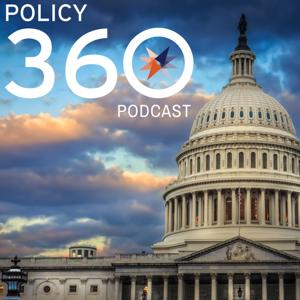

Could political polarization be addressed by something very simple – getting to know each other better? David Brooks argues that polarization stems from an urgent need for connection. "There are connections between seeing others and strengthening our communities and in turn, democracy," he says.
Brooks is an opinion columnist for the New York Times. He appears regularly on the PBS NewsHour, NPR's All Things Considered, and NBC's Meet the Press. His new book is titled, How to Know a Person, the Art of Seeing Others Deeply and Being Deeply Seen.
This episode is part of our ongoing series of election-related conversations.
Guest host: Alison Jones of the DeWitt Wallace Center for Media and Democracy at Duke University.
 View all episodes
 By Sanford School of Public Policy, Duke University

4.9
1717 ratings
Could political polarization be addressed by something very simple – getting to know each other better? David Brooks argues that polarization stems from an urgent need for connection. "There are connections between seeing others and strengthening our communities and in turn, democracy," he says.
Brooks is an opinion columnist for the New York Times. He appears regularly on the PBS NewsHour, NPR's All Things Considered, and NBC's Meet the Press. His new book is titled, How to Know a Person, the Art of Seeing Others Deeply and Being Deeply Seen.
This episode is part of our ongoing series of election-related conversations.
Guest host: Alison Jones of the DeWitt Wallace Center for Media and Democracy at Duke University.

91,038 Listeners

32,096 Listeners

30,763 Listeners

43,621 Listeners

16,218 Listeners

3,509 Listeners
26,275 Listeners

61 Listeners

87,537 Listeners

112,309 Listeners

56,624 Listeners

5,078 Listeners
7,241 Listeners
139 Listeners

16,391 Listeners

5,789 Listeners
12 Listeners

63 Listeners

11 Listeners

16,305 Listeners

0 Listeners

10,837 Listeners