
Sign up to save your podcasts
Or

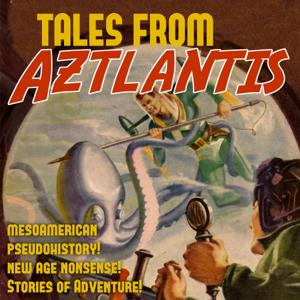

Did the Aztecs have a concept of virtue? In this episode, we dive into a lively scholarly debate over the Nawatl phrase kwalli and yektli ("good" and "right") and whether it can properly be translated as "virtue." Examining colonial dictionaries, the Florentine Codex, the Wewetlahtolli, and the work of scholars from the sixteenth century to today, we explore the evidence for a distinctly Nawa ethical tradition. Along the way, we discuss the challenges of translating Indigenous philosophies and why understanding concepts, not just individual words, is essential to appreciating Nawatl thought.
Sources:
Anderson, Arthur J. O., and Charles E. Dibble, eds. and trans. Florentine Codex: General History of the Things of New Spain. 13 vols. Santa Fe: School of American Research and University of Utah, 1950–1982.
Berdan, Frances F. "Concepts of Ethnicity and Class in Aztec-Period Mexico." In Ethnic Identity in Nahua Mesoamerica: The View from Archaeology, Art History, Ethnohistory, and Contemporary Ethnography, by Frances F. Berdan, John K. Chance, Alan R. Sandstrom, Barbara L. Stark, James M. Taggart, and Emily Umberger, 105–132. Salt Lake City: University of Utah Press, 2008.
Carochi, Horacio. Arte de la Lengua Mexicana con la Declaración de los Adverbios Della. Mexico City: Juan Ruyz, 1645.
Clavijero, Francisco Javier. Arte de la Lengua Mexicana. Puebla: Imprenta del Real Seminario Palafoxiano, 1754.
González González, Osiris. Tlamatiliztli: La sabiduría del pueblo nahua. Filosofía intercultural y derecho a la tierra (México). Archaeological Studies Leiden University. Leiden: Leiden University Press, 2024.Maffie, James. Aztec Philosophy: Understanding a World in Motion. Boulder: University Press of Colorado, 2014.
Madajczak, Julia. Review of Discourses of the Elders: The Aztec Huehuetlatolli: A First English Translation, by Sebastian Purcell. Inter-American Journal of Philosophy 15, no. 1 (2024): 42–48.
Molina, Alonso de. Vocabulario en Lengua Castellana y Mexicana y Mexicana y Castellana. Mexico City: Antonio de Spinosa, 1571.
Purcell, Sebastian. Discourses of the Elders: The Aztec Huehuetlahtolli, a First English Translation. Norman: University of Oklahoma Press, 2025.
Sahagún, Bernardino de. Primeros Memoriales. Edited and translated by Thelma D. Sullivan. Norman: University of Oklahoma Press, 1997.
Siméon, Rémi. Diccionario de la lengua náhuatl o mexicana. 13th ed. Mexico City: Siglo XXI Editores, 1997.
Townsend, Camilla. Review of Discourses of the Elders: The Aztec Huehuetlahtolli, a First English Translation, by Sebastian Purcell. Ethnohistory 72, no. 1 (2025): 181–183.
listener comments? Feedback? Shoot us a text!
Use the promo code “KURLY” in the "How did you hear about this adventure?" field when you sign up for a $200 discount.
Visit skeptoid.com/adventures to learn more and reserve your spot. I hope you'll join me this December as we explore the mysteries of the Maya together.
This December, I'll be joining Skeptoid Adventures as your guide for The Mysteries of the Maya, where we'll travel through the Yucatán exploring remarkable archaeological sites, uncovering the real history behind the Maya civilization, and separating fact from fiction along the way.
To reserve your spot, all you need is a fully refundable $500 deposit. Your deposit is refundable through August 1, so you can reserve your place with confidence. After Au
Support the show
Order "NEVER WILL IT BE LOST" and get $5 off!
Support Lignum: A Cultural Haven in MéridaYour Hosts:
Kurly Tlapoyawa is an archaeologist, ethnohistorian, and filmmaker. His research covers Mesoamerica, the American Southwest, and the historical connections between the two regions. He is the author of numerous books and has presented lectures at the University of New Mexico, Harvard University, Yale University, San Diego State University, and numerous others. He most recently released his documentary short film "Guardians of the Purple Kingdom," and is a cultural consultant for Nickelodeon Animation Studios.
@kurlytlapoyawa
Ruben Arellano Tlakatekatl is a scholar, activist, and professor of history. His research explores Chicana/Chicano indigeneity, Mexican indigenist nationalism, and Coahuiltecan identity resurgence. Other areas of research include Aztlan (US Southwest), Anawak (Mesoamerica), and Native North America. He has presented and published widely on these topics and has taught courses at various institutions. He currently teaches history at Dallas College – Mountain View Campus.
Find us:
 View all episodes
 By Kurly Tlapoyawa & Ruben Arellano Tlakatekatl

4.7
8181 ratings
Did the Aztecs have a concept of virtue? In this episode, we dive into a lively scholarly debate over the Nawatl phrase kwalli and yektli ("good" and "right") and whether it can properly be translated as "virtue." Examining colonial dictionaries, the Florentine Codex, the Wewetlahtolli, and the work of scholars from the sixteenth century to today, we explore the evidence for a distinctly Nawa ethical tradition. Along the way, we discuss the challenges of translating Indigenous philosophies and why understanding concepts, not just individual words, is essential to appreciating Nawatl thought.
Sources:
Anderson, Arthur J. O., and Charles E. Dibble, eds. and trans. Florentine Codex: General History of the Things of New Spain. 13 vols. Santa Fe: School of American Research and University of Utah, 1950–1982.
Berdan, Frances F. "Concepts of Ethnicity and Class in Aztec-Period Mexico." In Ethnic Identity in Nahua Mesoamerica: The View from Archaeology, Art History, Ethnohistory, and Contemporary Ethnography, by Frances F. Berdan, John K. Chance, Alan R. Sandstrom, Barbara L. Stark, James M. Taggart, and Emily Umberger, 105–132. Salt Lake City: University of Utah Press, 2008.
Carochi, Horacio. Arte de la Lengua Mexicana con la Declaración de los Adverbios Della. Mexico City: Juan Ruyz, 1645.
Clavijero, Francisco Javier. Arte de la Lengua Mexicana. Puebla: Imprenta del Real Seminario Palafoxiano, 1754.
González González, Osiris. Tlamatiliztli: La sabiduría del pueblo nahua. Filosofía intercultural y derecho a la tierra (México). Archaeological Studies Leiden University. Leiden: Leiden University Press, 2024.Maffie, James. Aztec Philosophy: Understanding a World in Motion. Boulder: University Press of Colorado, 2014.
Madajczak, Julia. Review of Discourses of the Elders: The Aztec Huehuetlatolli: A First English Translation, by Sebastian Purcell. Inter-American Journal of Philosophy 15, no. 1 (2024): 42–48.
Molina, Alonso de. Vocabulario en Lengua Castellana y Mexicana y Mexicana y Castellana. Mexico City: Antonio de Spinosa, 1571.
Purcell, Sebastian. Discourses of the Elders: The Aztec Huehuetlahtolli, a First English Translation. Norman: University of Oklahoma Press, 2025.
Sahagún, Bernardino de. Primeros Memoriales. Edited and translated by Thelma D. Sullivan. Norman: University of Oklahoma Press, 1997.
Siméon, Rémi. Diccionario de la lengua náhuatl o mexicana. 13th ed. Mexico City: Siglo XXI Editores, 1997.
Townsend, Camilla. Review of Discourses of the Elders: The Aztec Huehuetlahtolli, a First English Translation, by Sebastian Purcell. Ethnohistory 72, no. 1 (2025): 181–183.
listener comments? Feedback? Shoot us a text!
Use the promo code “KURLY” in the "How did you hear about this adventure?" field when you sign up for a $200 discount.
Visit skeptoid.com/adventures to learn more and reserve your spot. I hope you'll join me this December as we explore the mysteries of the Maya together.
This December, I'll be joining Skeptoid Adventures as your guide for The Mysteries of the Maya, where we'll travel through the Yucatán exploring remarkable archaeological sites, uncovering the real history behind the Maya civilization, and separating fact from fiction along the way.
To reserve your spot, all you need is a fully refundable $500 deposit. Your deposit is refundable through August 1, so you can reserve your place with confidence. After Au
Support the show
Order "NEVER WILL IT BE LOST" and get $5 off!
Support Lignum: A Cultural Haven in MéridaYour Hosts:
Kurly Tlapoyawa is an archaeologist, ethnohistorian, and filmmaker. His research covers Mesoamerica, the American Southwest, and the historical connections between the two regions. He is the author of numerous books and has presented lectures at the University of New Mexico, Harvard University, Yale University, San Diego State University, and numerous others. He most recently released his documentary short film "Guardians of the Purple Kingdom," and is a cultural consultant for Nickelodeon Animation Studios.
@kurlytlapoyawa
Ruben Arellano Tlakatekatl is a scholar, activist, and professor of history. His research explores Chicana/Chicano indigeneity, Mexican indigenist nationalism, and Coahuiltecan identity resurgence. Other areas of research include Aztlan (US Southwest), Anawak (Mesoamerica), and Native North America. He has presented and published widely on these topics and has taught courses at various institutions. He currently teaches history at Dallas College – Mountain View Campus.
Find us:

90,994 Listeners

43,898 Listeners
5,767 Listeners

1,860 Listeners

3,781 Listeners
1,117 Listeners
14,656 Listeners
1,065 Listeners

6,103 Listeners
16,645 Listeners
16,399 Listeners

2,060 Listeners
1,012 Listeners

15,950 Listeners

2,606 Listeners