
Sign up to save your podcasts
Or

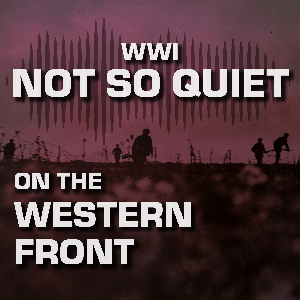

At 7.30am on the morning of 1st July 1916, whistles blew along a front stretching more than twenty miles. Tens of thousands of British soldiers climbed from their trenches and began walking towards the German lines. By nightfall nearly 20,000 of them would be dead. It remains the bloodiest day in British military history. But that catastrophe was not evenly spread across the battlefield. Some sectors were disasters.
Others achieved limited success. To understand what happened, we need to begin in the north, where the British offensive would suffer its greatest failures.
Join Our Community: https://not-so-quiet.com/
- Guest: James Taub
Learn more about your ad choices. Visit megaphone.fm/adchoices
 View all episodes
 By Dan Hill and Dr. Spencer Jones

4.9
126126 ratings
At 7.30am on the morning of 1st July 1916, whistles blew along a front stretching more than twenty miles. Tens of thousands of British soldiers climbed from their trenches and began walking towards the German lines. By nightfall nearly 20,000 of them would be dead. It remains the bloodiest day in British military history. But that catastrophe was not evenly spread across the battlefield. Some sectors were disasters.
Others achieved limited success. To understand what happened, we need to begin in the north, where the British offensive would suffer its greatest failures.
Join Our Community: https://not-so-quiet.com/
- Guest: James Taub
Learn more about your ad choices. Visit megaphone.fm/adchoices

3,223 Listeners

3,982 Listeners
1,252 Listeners

4,785 Listeners

468 Listeners

1,425 Listeners
184 Listeners

584 Listeners

3,370 Listeners

526 Listeners

35 Listeners

464 Listeners
339 Listeners
790 Listeners

93 Listeners