
Sign up to save your podcasts
Or

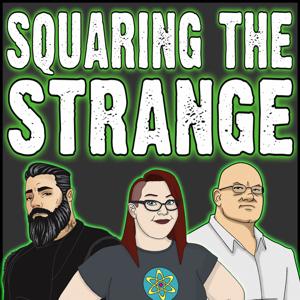

First, we discuss media coverage of Minneapolis, and also fake news among schools of tropical fish. Then Kyle Polich of "Data Skeptic" joins us to talk about a topic we've had simmering for a bit. What is going on with the data?? First, what is data, and can it ever really be neutral -- and even if it is, will the public ever trust it? Data on some topics, like public health studies on American gun violence, have been suppressed for years, while the past twelve months or so have seen a huge decrease in state-funded data collection. Between climate science, the EPA, the Bureau of Labor Statistics and the CDC, there are several high-profile examples we look at. How will this play out? Kyle brings nuance to how data is collected an analyzed, and also reassures us that statisticians and data analysts are hearty folk, highly employable in the private sector . . . already, we see many contributing their time and talents to alternatives to the CDC and becoming "data preservationists." And there are things you, too, can do to help us get through this data drought.
 View all episodes
 By Ben Radford, Celestia Ward and Pascual Romero

4.8
9191 ratings
First, we discuss media coverage of Minneapolis, and also fake news among schools of tropical fish. Then Kyle Polich of "Data Skeptic" joins us to talk about a topic we've had simmering for a bit. What is going on with the data?? First, what is data, and can it ever really be neutral -- and even if it is, will the public ever trust it? Data on some topics, like public health studies on American gun violence, have been suppressed for years, while the past twelve months or so have seen a huge decrease in state-funded data collection. Between climate science, the EPA, the Bureau of Labor Statistics and the CDC, there are several high-profile examples we look at. How will this play out? Kyle brings nuance to how data is collected an analyzed, and also reassures us that statisticians and data analysts are hearty folk, highly employable in the private sector . . . already, we see many contributing their time and talents to alternatives to the CDC and becoming "data preservationists." And there are things you, too, can do to help us get through this data drought.
4,039 Listeners
2,669 Listeners
112 Listeners

3,214 Listeners
430 Listeners
1,436 Listeners

2,858 Listeners

2,601 Listeners
1,986 Listeners
2,662 Listeners
13 Listeners
238 Listeners

1,191 Listeners
268 Listeners
783 Listeners